
NEWS
Table of Contents
Introduction
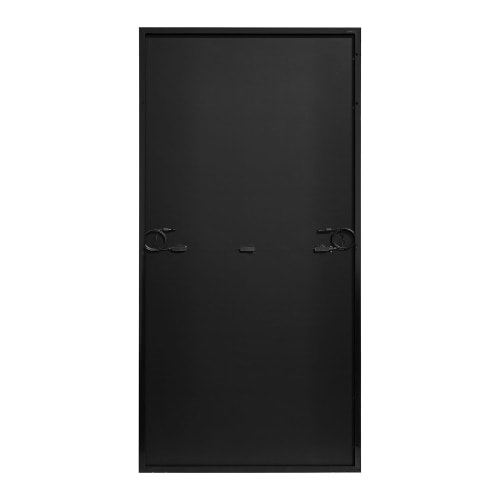
Solar panel dimensions are a fundamental factor in the design, performance, and cost efficiency of any photovoltaic system. Whether for residential rooftops, commercial buildings, or large-scale solar farms, the physical size of a solar panel directly influences installation layout, energy output, transportation, and structural requirements.
From a manufacturing perspective, solar panel dimensions are not arbitrary. They are engineered based on silicon wafer size, cell configuration, frame strength, and efficiency targets. As a solar panel manufacturer, we continuously optimize both standard and customized dimensions to meet diverse global project requirements while maintaining high performance and structural reliability.
Standard Solar Panel Dimension in the Industry
Across the solar industry, panel sizes generally fall into two major categories: residential and commercial/utility-scale modules.
Typical standard solar panel dimension include:
| Panel Type | Approx. Dimensions (mm) | Power Range | Typical Use |
|---|---|---|---|
| Residential Panel | 1650 × 992 × 35–40 | 350W–450W | Home rooftop systems |
| Commercial Panel | 1950 × 992 × 40–45 | 450W–600W | Commercial buildings |
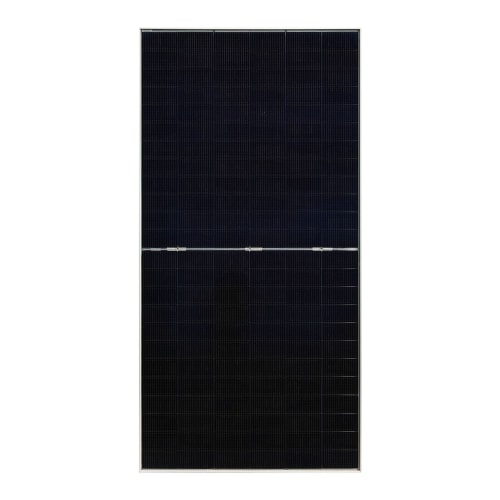
| Large-Format Panel | 2278 × 1134 × 35–40 | 600W–700W+ | Utility-scale solar farms |
These dimensions are widely adopted because they balance installation efficiency, handling convenience, and energy output.
How Solar Panel Dimensions Affect Energy Output
The relationship between solar panel size and power generation is primarily based on surface area and cell efficiency. Larger panels can accommodate more photovoltaic cells, increasing total energy output, but they also require stronger mounting systems and more roof or land space.
Key factors include:
- Larger surface area generally increases wattage capacity
- High-density cell layout improves efficiency without significantly increasing size
- Oversized panels may reduce installation flexibility on complex rooftops
- Compact panels are easier to install but may require more units for the same output
In practice, selecting the right solar panel dimension is a balance between space availability and energy demand.
Manufacturer Perspective: How Solar Panel Dimensions Are Designed
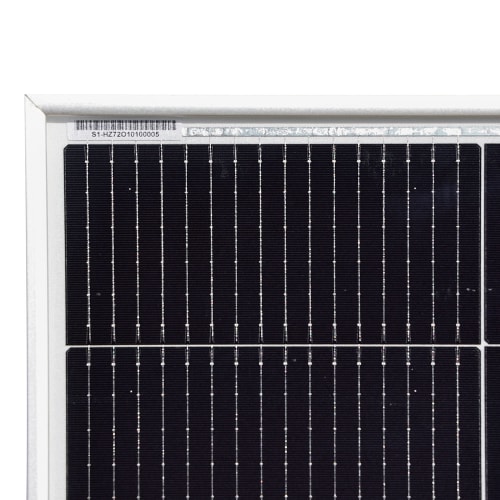
From a manufacturing standpoint, solar panel dimension are determined by multiple engineering and production factors.
These include:
- Silicon wafer size (commonly M10 or G12 formats)
- Number of solar cells per panel (60-cell, 72-cell, 144 half-cut configurations)
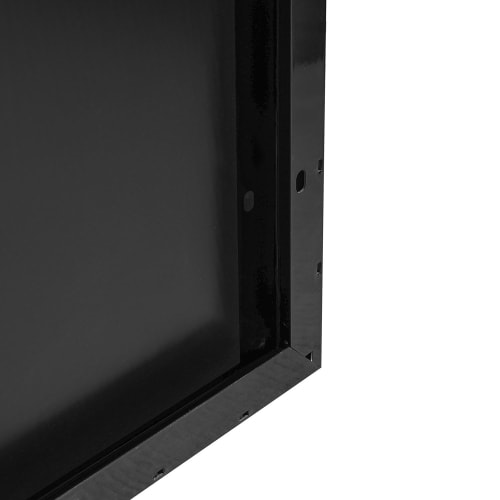
- Aluminum frame strength and thickness requirements
- Glass layer durability and thermal expansion control
- Standardization for global shipping and installation compatibility
As a manufacturer, we ensure that every solar panel dimension meets strict tolerance standards to guarantee consistency, safety, and long-term performance.
Custom Solar Panel Dimensions for Different Project Requirements
Not all solar projects can rely on standard sizes. Many commercial and industrial installations require custom solar panel dimension to maximize space utilization and system efficiency.
Custom options include:
- OEM solar panel dimensions for brand-specific requirements
- Tailor-made sizes for irregular rooftop layouts
- Lightweight designs for portable solar systems
- High-voltage modules optimized for large solar farms
Customization allows developers to achieve better space efficiency and improved return on investment.
Solar Panel Dimensions and Roof Installation Planning
Proper planning is essential when integrating solar panels into rooftops. Panel dimensions directly affect layout design, spacing, and system capacity.
Important considerations:
- Available roof area and usable installation zones
- Shading avoidance and tilt angle optimization
- Structural load capacity of the building
- Row spacing for maintenance access and ventilation
A well-planned layout ensures maximum energy production while maintaining structural safety.
Standard vs Large-Format Solar Panel Dimensions Comparison
Different project scales require different panel sizes. Understanding the trade-offs is essential for system design.
- Standard panels are ideal for residential systems due to easier handling and flexible installation
- Large-format panels reduce installation time and cost per watt in utility-scale projects
- Smaller panels offer better adaptability for complex roof shapes
- Larger panels require stronger mounting systems and careful transportation planning
The choice between standard and large-format solar panel dimension should always align with project goals and site conditions.
Solar Panel Dimension and System Compatibility
System compatibility is another critical factor influenced by panel size.
Solar panel dimensions affect:
- Inverter sizing and electrical configuration
- Mounting structure compatibility
- Battery storage integration
- Series and parallel connection design
Improper size matching can reduce system efficiency or increase installation complexity, making careful planning essential.
Factors That Influence Solar Panel Dimensions
Several technical and market-driven factors determine how solar panels are sized:
- Advancements in photovoltaic cell efficiency
- Market demand for higher wattage modules
- Manufacturing equipment and automation limitations
- Transportation and logistics optimization
- Cost-performance balance in global solar markets
These factors continue to evolve as solar technology advances.
Choosing the Right Solar Panel Dimension for Your Project
Selecting the right solar panel size depends on multiple practical considerations:
- Available installation space
- Required energy output
- Budget constraints
- Structural load capacity
- Long-term expansion plans
Working directly with a manufacturer ensures access to accurate technical specifications and customized solutions tailored to specific project requirements.
Why Working with a Manufacturer Matters for Solar Panel Dimensions
As a solar panel manufacturer, we focus on delivering consistent quality and flexible dimension solutions for global clients. Direct cooperation with a factory provides several advantages:
- Stable and precise dimensional control
- OEM and ODM customization capabilities
- Cost efficiency through direct supply chains
- Compliance with international quality standards
- Scalable production for large solar projects
Publishing technical insights like this is part of our ongoing effort to improve visibility, provide industry knowledge, and ensure that engineers, installers, and buyers can make more informed decisions when selecting solar panel dimensions.
Conclusion
Solar panel dimensions are more than just physical measurements—they are a core design factor that influences efficiency, installation feasibility, and long-term system performance. From residential rooftops to utility-scale solar farms, choosing the correct panel size directly impacts energy yield and project success.
Understanding how solar panel dimensions are designed, standardized, and customized helps ensure better system planning and optimized return on investment. As manufacturing technology continues to evolve, flexibility in panel sizing will remain a key advantage for modern solar energy projects.
FAQ
Q1: What are standard solar panel dimensions?
Standard solar panel dimensions typically range from about 1650 × 992 mm for residential panels to 2278 × 1134 mm for large utility modules, depending on wattage and application.
Q2: Do solar panel dimension affect power output?
Yes. Larger solar panel dimension usually allow more photovoltaic cells, which can increase wattage and overall energy production, assuming similar efficiency levels.
Q3: Can solar panel dimensions be customized?
Yes. Many manufacturers offer OEM and custom solar panel dimensions to fit specific roof sizes, industrial layouts, or off-grid system requirements.
Q4: How do I choose the right solar panel dimensions for my project?
It depends on available installation space, energy demand, roof structure, and system design. A balance between size, efficiency, and layout flexibility is essential.
Q5: Why are solar panel dimension important for installation?
Solar panel dimension directly impact roof layout planning, mounting structure design, spacing requirements, and overall system efficiency.
