
消息
欢迎来到我的博客!
在我们深入探讨内容之前,如果您对我们的产品感兴趣或有任何疑问,请随时访问我们的 联系我们 网站上的页面。我们的团队随时准备为您提供咨询、订单或任何您可能需要的支持。
现在,让我们一起踏上旅程。希望您觉得这里的内容富有洞察力、引人入胜且价值非凡。
目录
什么是 Monocrystalline PV Panels?
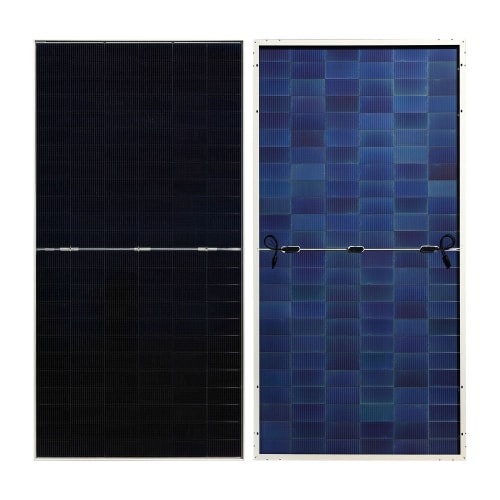
Definition and Basic Structure
Monocrystalline PV panels are a type of solar panel made from high-purity single-crystal silicon. Unlike polycrystalline panels, which are composed of multiple silicon fragments melted together, monocrystalline panels are produced from a single continuous silicon crystal. This single-crystal structure allows electrons to move more freely through the material, resulting in higher energy conversion efficiency and improved power output per unit area.
Monocrystalline panels are typically recognizable by their uniform dark color and rounded edges, which indicate the high-purity silicon cells. Their compact design makes them ideal for residential rooftops or commercial buildings where space is limited but maximum power output is desired.
How They Work to Convert Sunlight into Electricity
Monocrystalline PV panels generate electricity through the photovoltaic effect. When sunlight strikes the silicon cells, it excites electrons, creating an electric current. These electrons flow through the circuit, producing electricity that can be used immediately or stored in batteries for later use.
Due to their higher efficiency rates, monocrystalline panels can produce more electricity from the same amount of sunlight compared to polycrystalline or thin-film panels. This makes them an optimal solution for homeowners and businesses who want to maximize energy generation while minimizing the number of panels installed.
Differences Between Monocrystalline and Polycrystalline Panels
The primary difference lies in efficiency, lifespan, and performance. Monocrystalline panels typically achieve efficiencies of 20% or higher, while polycrystalline panels range from 15% to 17%. Monocrystalline panels also tend to degrade more slowly over time, maintaining higher output for 25 years or more.
In addition, monocrystalline panels perform better under low-light conditions, such as cloudy days or early mornings, because of their single-crystal structure. While polycrystalline panels may be slightly cheaper, they require more space to achieve the same energy output, making monocrystalline panels the superior choice for space-limited installations.
Advantages of Monocrystalline PV Panels
Monocrystalline PV panels offer numerous advantages that make them a preferred choice for both residential and commercial solar projects.
高效率和高功率输出
One of the key benefits is their superior energy efficiency. With conversion rates of up to 22% in premium models, monocrystalline panels generate more electricity per square meter, making them ideal for rooftops with limited space or for large-scale solar farms seeking maximum output.
寿命长
Monocrystalline panels are known for their durability and long-term reliability. Many manufacturers, including us, guarantee 25-year performance warranties, and some panels continue to operate effectively for 30 years or more with minimal efficiency loss.
低光照条件下性能更佳
Even during cloudy days, early mornings, or late afternoons, monocrystalline panels maintain higher output compared to other types of solar panels. This ensures consistent energy production, which is especially important in regions with variable weather.
节省空间的设计
Because they produce more power per unit area, fewer panels are needed to achieve the same electricity output. This is perfect for homeowners or businesses with limited rooftop space, while also providing a sleek and modern appearance.
Environmental Benefits and Sustainability
Monocrystalline panels contribute to reducing carbon footprints and supporting environmental sustainability. By generating clean, renewable energy, they decrease reliance on fossil fuels and help combat climate change. Installing these panels not only saves money in the long term but also promotes eco-friendly living and corporate responsibility, making them a smart choice for environmentally conscious consumers.
Monocrystalline PV Panels 效率和性能
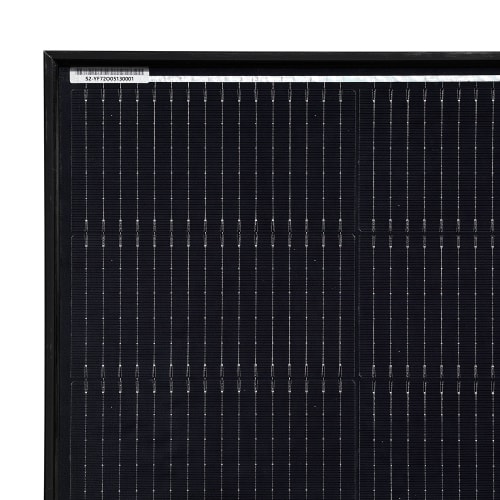
Efficiency is a crucial factor when evaluating solar panels. Monocrystalline panels consistently outperform polycrystalline and thin-film options due to their single-crystal silicon structure.
Factors Affecting Performance
Efficiency can be influenced by climate, panel orientation, shading, and installation quality. In hot weather, monocrystalline panels maintain high efficiency due to better heat tolerance. Proper installation, including optimal tilt and facing direction, ensures maximum sunlight exposure throughout the year.
How to Maximize Energy Output from Your Panels
To achieve the best results, panels should be installed at the correct angle and orientation according to geographic location. Regular cleaning, inspection, and removal of debris such as leaves or dust also help maintain peak efficiency. Additionally, monitoring energy output through smart meters or monitoring systems allows homeowners and businesses to quickly detect and address any performance issues.
Common Myths About Solar Panel Efficiency
A common misconception is that solar panels are ineffective on cloudy or rainy days. In reality, monocrystalline panels remain highly efficient in diffused light conditions, making them reliable in areas with less consistent sunlight. Another myth is that all solar panels perform the same; monocrystalline panels clearly stand out in both efficiency and longevity, making them a better long-term investment.
Applications of Monocrystalline PV Panels
Monocrystalline PV panels are versatile and can be used in a wide range of applications:
- Residential rooftops: Homeowners can reduce electricity bills while generating clean energy efficiently.
- Commercial buildings: Offices, factories, and retail spaces benefit from energy cost savings and sustainability initiatives.
- Solar farms and large-scale projects: Their space efficiency and high output make them ideal for maximizing energy production on limited land.
- Portable solar solutions: Lightweight, high-efficiency panels can be used for off-grid applications such as RVs, boats, or remote cabins.
Case Studies of Successful Installations
Several residential clients have reported up to 30% reduction in electricity bills after installing monocrystalline panels. Large commercial projects demonstrate consistent performance over decades, reinforcing their durability, reliability, and ROI. By investing in high-quality panels, both homeowners and businesses can achieve long-term savings while contributing to a sustainable energy future.
Choosing the Right Monocrystalline PV Panels
Key Factors: Wattage, Size, and Efficiency
When selecting panels, consider your energy requirements, available space, and budget. Higher wattage panels generate more electricity but may cost more upfront. Assessing your energy consumption helps determine the number of panels required for optimal performance.
Evaluating Quality and Manufacturer Reliability
Choosing a trusted manufacturer ensures product quality, warranty coverage, and technical support. Our company produces panels that meet rigorous quality standards, offering high efficiency, durability, and comprehensive warranty options.
How to Compare Monocrystalline vs Polycrystalline Panels
When comparing options, focus on efficiency, lifespan, cost, and space availability. Monocrystalline panels are ideal for maximizing output in limited space and providing long-term reliability, while polycrystalline panels may suit budget-sensitive projects. For commercial installations, efficiency and ROI should guide the choice.
Buying Monocrystalline PV Panels – What You Need to Know
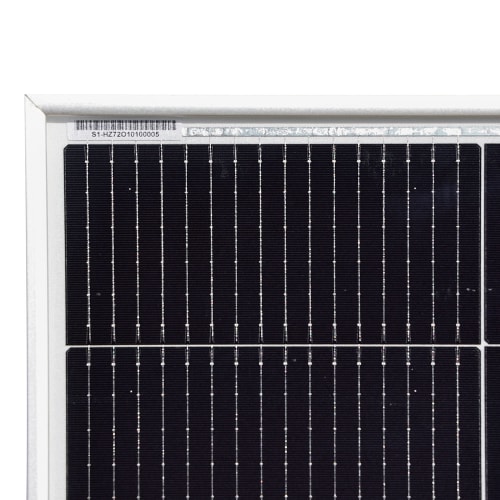
Direct Purchase from the Manufacturer
Purchasing directly from the manufacturer ensures competitive pricing, consistent quality, and access to technical support. It also allows customers to order panels in bulk for larger projects.
Wholesale Options for Businesses and Installers
We provide wholesale options for solar installers, contractors, and large-scale projects, helping businesses reduce costs while ensuring high-quality supply. Our bulk purchase programs include dedicated support, delivery logistics, and product customization.
Warranty and After-Sales Support
All panels come with comprehensive warranties and dedicated after-sales service. From installation guidance to troubleshooting support, we ensure your investment is protected for decades, providing peace of mind for both residential and commercial clients.
安装和维护提示
Professional installation is recommended to ensure panels are optimized for maximum efficiency and longevity. Proper wiring, tilt, and placement are critical to achieving peak performance.
Regular cleaning and inspection are essential to maintain performance. Panels should be cleared of dust, dirt, and debris regularly. Monitoring energy output through smart systems can help detect any issues early.
常见问题故障排除
Performance drops are often caused by minor issues such as shading, dirt accumulation, or loose connections. Regular maintenance and prompt attention to these issues can prevent long-term efficiency loss.
Ensuring Long-Term Performance
Investing in high-quality mounting systems, proper wiring, and periodic professional inspections will maximize panel life and maintain high efficiency. With proper care, monocrystalline panels can provide reliable, high-efficiency energy production for 25 years or more.
Cost and ROI of Monocrystalline PV Panels
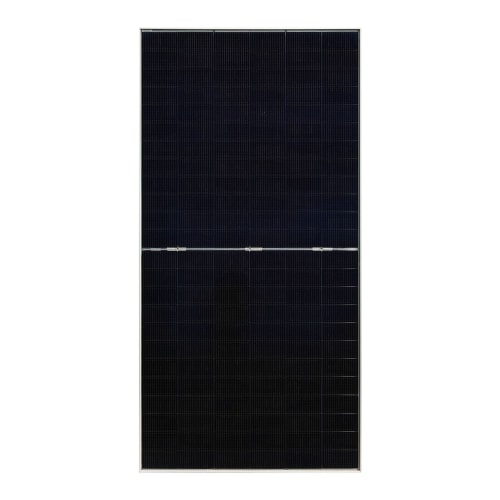
Price Range for Residential and Commercial Panels
Prices vary depending on wattage, size, and efficiency. While monocrystalline panels may have a higher upfront cost than polycrystalline panels, their superior efficiency and durability often result in faster payback and higher long-term savings.
Calculating Return on Investment
Energy savings, government incentives, and potential feed-in tariffs all contribute to ROI. Homeowners and businesses can typically recoup costs within 5–7 years, after which energy generation becomes essentially free, leading to significant financial benefits.
Government Incentives, Tax Credits, and Rebates
Many regions offer incentives for installing solar panels, including tax credits, rebates, and feed-in tariffs. These programs lower the initial investment and enhance the overall ROI, making monocrystalline panels even more attractive for both residential and commercial projects.
结论
单晶硅 PV panels are a smart investment for homeowners, businesses, and large-scale solar projects. With high efficiency, durability, and long-term cost savings, they provide a reliable and sustainable energy solution.
常问问题
What are monocrystalline PV panels?
Monocrystalline PV panels are high-efficiency solar panels made from a single silicon crystal. They generate more electricity per square meter compared to polycrystalline panels and have a longer lifespan.
How efficient are monocrystalline PV panels?
Monocrystalline panels typically offer efficiency rates of 20% or higher, making them ideal for residential, commercial, and large-scale solar installations.
Are monocrystalline PV panels better than polycrystalline panels?
Yes, monocrystalline panels generally provide higher efficiency, better performance in low-light conditions, and longer durability, making them a superior choice for most solar projects.
Can I buy monocrystalline PV panels directly from the manufacturer?
Absolutely. Purchasing directly from the manufacturer ensures competitive pricing, quality assurance, and access to bulk purchase options for residential or commercial projects.
How long do monocrystalline PV panels last?
High-quality monocrystalline panels can last 25 years or more with minimal efficiency loss, providing long-term energy savings and a reliable return on investment.
Need Help Choosing the Right Monocrystalline PV Panels?
If you’re unsure which monocrystalline PV panels are best for your home, business, or large-scale solar project, our experts are here to guide you. 联系我们 today for a personalized consultation and ensure your solar installation is efficient, reliable, and tailored to your energy needs. Don’t wait—get in touch now to maximize your energy savings and invest in a sustainable future!
