
NEWS
Table of Contents
Introduction
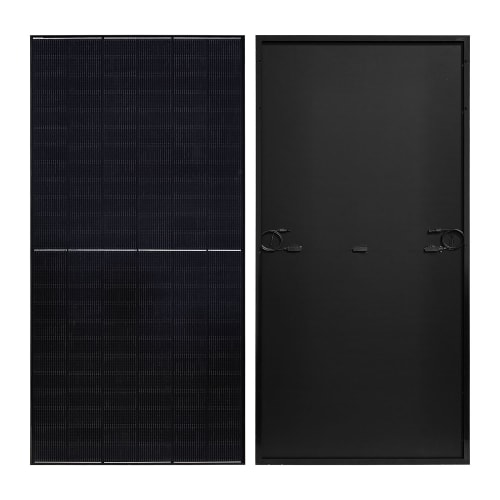
Commercial PV panels are a vital solution for businesses aiming to reduce energy costs and promote sustainable practices. As a manufacturer of high-quality commercial PV panels, we understand the importance of selecting the right system for each business. From warehouses to factories, the right commercial solar solution can improve energy efficiency, lower operational costs, and enhance your company’s sustainability profile. This guide will walk you through everything you need to know about commercial PV panels, helping your business make an informed decision.
Understanding Commercial PV Panel Technology
What is a Commercial PV Panel?
A commercial PV panel, or photovoltaic panel, converts sunlight into electricity. Unlike residential panels, PV panels are designed for larger-scale energy production, capable of powering entire facilities or office complexes. These panels are built to withstand industrial conditions, providing long-term performance and durability.
Types of PV Panels
- Monocrystalline PV Panels: Known for high efficiency and compact design, ideal for limited space.
- Polycrystalline PV Panels: Slightly less efficient but more cost-effective, suitable for large installations.
- Thin-Film PV Panels: Lightweight and flexible, often used in unconventional installations but generally lower efficiency.
Key Components
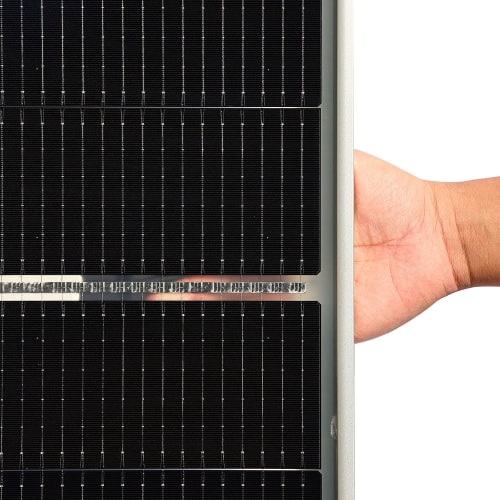
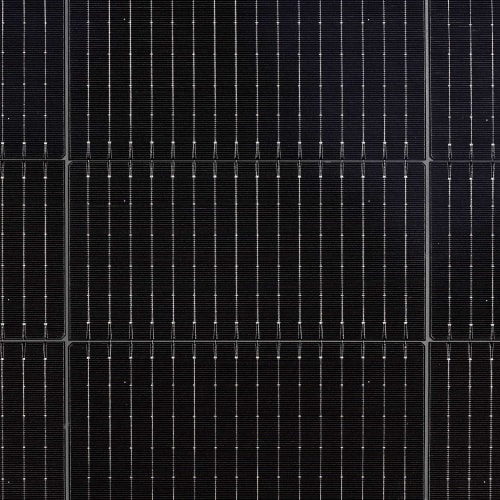
Commercial PV panels consist of solar cells, tempered glass, a durable frame, and a junction box. Each component contributes to energy production, durability, and long-term reliability.
Benefits of Installing PV Panels
Installing PV panels offers multiple advantages:
- Energy Cost Savings: Businesses can significantly reduce electricity bills by generating their own energy.
- Sustainability: Reduce carbon footprint and improve environmental responsibility.
- Return on Investment (ROI): Over time, the energy savings can outweigh installation costs, especially when paired with incentives.
- Reliability: Modern PV panels are built to endure harsh weather and industrial environments.
- Brand Image: Businesses using renewable energy enhance their corporate social responsibility (CSR) reputation.
Factors to Consider When Choosing a Commercial PV Panel
Selecting the right commercial PV panel involves careful consideration of several factors:
- Efficiency and Energy Output: Higher efficiency panels generate more energy per square meter.
- Durability and Warranty: Ensure long-term reliability and service support.
- Cost vs ROI: Balance initial investment with expected energy savings.
- Manufacturer Reputation: Opt for trusted manufacturers with certifications and proven performance.
- System Compatibility: Ensure panels integrate with your existing electrical infrastructure.
Commercial PV Panel Installation Guide
Site Assessment and Planning
Evaluate sunlight exposure, roof or ground space, and shading conditions to optimize energy output.
Choosing the Right Mounting System
Select fixed, adjustable, or tracking mounts depending on your site’s requirements.
Electrical Setup and Grid Connection
Proper wiring, inverters, and grid integration are essential for safe and efficient operation.
Safety Considerations
Follow industry standards and regulations to ensure installation safety.
Maintenance and Longevity of Commercial PV Panels
Maintaining PV panels ensures maximum lifespan and efficiency:
- Regular Cleaning: Dust, debris, and bird droppings can reduce efficiency.
- Monitoring: Use smart systems to track energy output and detect anomalies.
- Preventive Maintenance: Inspect panels, wiring, and mounting structures periodically.
- Troubleshooting: Address issues like micro-cracks or inverter failures promptly to prevent downtime.
Commercial PV Panel Efficiency Comparison Table
| Type of Panel | Efficiency (%) | Cost per Watt ($) | Ideal Use Case |
|---|---|---|---|
| Monocrystalline | 20–23 | 0.50–0.70 | Limited space, high output |
| Polycrystalline | 15–18 | 0.40–0.60 | Large installations, cost-effective |
| Thin-Film | 10–13 | 0.30–0.50 | Flexible or unconventional spaces |
This table provides a quick comparison for businesses to evaluate which panel type best fits their energy and budget needs.
PV Panel Costs and Financing Options
Understanding costs and financing can help your business plan effectively:
- Price per Watt: Typically ranges from $0.30 to $0.70 depending on panel type and efficiency.
- Tax Incentives: Many regions offer rebates or tax credits for commercial solar installations.
- Financing Options: Leasing, power purchase agreements (PPAs), or loans can reduce upfront costs.
- Long-Term Savings: A high-efficiency system can pay for itself in energy savings over 5–10 years.
Trends and Innovations in Commercial PV Panels
The commercial PV industry is evolving rapidly:
- High-Efficiency Solar Cells: Advanced materials and bifacial panels increase energy yield.
- Smart Monitoring Systems: Real-time energy analytics improve performance and maintenance.
- Integrated Storage Solutions: Pairing PV panels with batteries ensures energy availability during outages.
- Sustainable Materials: New panels use eco-friendly components and recyclable materials.
Conclusion
Choosing the right commercial PV panel is critical for businesses seeking energy efficiency, cost savings, and sustainability. As a manufacturer, we emphasize high-quality materials, advanced technology, and professional support to ensure every installation delivers long-term value. By carefully evaluating panel types, efficiency, costs, and installation requirements, your business can benefit from reliable, high-performance solar energy while enhancing your corporate sustainability efforts.
FAQ
What’s the difference between commercial and residential PV panels?
Commercial panels are larger, more durable, and optimized for high-output applications.
How long do PV panels last?
Most panels have a lifespan of 25–30 years with proper maintenance.
Can commercial PV panels be installed on flat roofs?
Yes, with the right mounting systems and orientation.
How much energy can a PV panel system produce?
It depends on panel efficiency, system size, and sunlight availability, ranging from a few kW to hundreds of kW.
