
NEWS
Table of Contents
Introduction
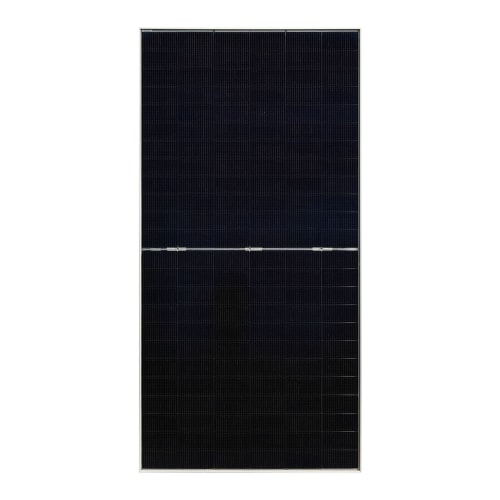
Solar photovoltaic panels have become a cornerstone of the global renewable energy transition, transforming sunlight into clean electricity for homes, businesses, and utility-scale installations. As a specialized manufacturer with years of expertise in producing various solar panel sizes, we understand that selecting the right dimensions is crucial for maximizing both efficiency and power output. The relationship between panel size and performance is complex—larger panels don’t always mean better results. This guide explores how solar photovoltaic panel size influences energy generation, installation considerations, and long-term value for different applications.
Understanding Standard Solar Panel Dimensions
Residential vs Commercial Panels
The solar industry has standardized panel dimensions to optimize performance for different installation scenarios. Residential panels typically feature a 60-cell configuration measuring approximately 1.6 to 1.7 meters in length and 0.99 to 1.05 meters in width. These compact dimensions are designed to navigate complex roof geometries with obstacles like chimneys, dormers, and skylights while maintaining manageable weight for rooftop installation.
Commercial and industrial installations typically utilize larger 72-cell panels spanning 1.95 to 2.0 meters in length and 0.99 to 1.135 meters in width. These expanded dimensions enable higher power output per panel—ranging from 450W to 600W or more—which reduces the total number of panels required for large-scale installations, lowering both material costs and installation time. The trade-off is increased weight and greater demands on mounting systems and roof structure.
IEC and International Standards for Panel Sizes
International standardization through organizations like the International Electrotechnical Commission (IEC) has established consistent panel dimensions that ensure compatibility with inverters, mounting systems, and balance-of-system components worldwide. Standardization benefits installers by simplifying inventory management and installation training, while end users benefit from broader equipment choices and easier system expansion or replacement.
Our manufacturing facility produces panels compliant with these international standards, ensuring seamless integration with major mounting system brands and inverter technologies across global markets.
Solar Panel Size and Photovoltaic Efficiency
How Size Influences Power Output
The relationship between surface area and energy generation is straightforward: larger panels with greater surface area capture more sunlight, potentially producing more electricity. However, efficiency—the percentage of sunlight converted to electricity—plays an equally critical role. Modern manufacturing has enabled significant advancements in efficiency, allowing panels to produce more power in smaller footprints.
Typical wattage ranges for different panel sizes demonstrate this relationship:
- Residential 60-cell panels (1.7m × 1.0m): 350W to 450W
- Commercial 72-cell panels (2.0m × 1.0m): 450W to 600W
- Utility-scale large-format panels (2.2m × 1.1m): 600W to 720W+
However, high-efficiency panels using advanced cell technologies like TOPCon, HJT (Heterojunction), or IBC (Interdigitated Back Contact) can achieve comparable or superior power output in more compact dimensions. This power density advantage is particularly valuable for installations with limited roof space.
Real-World Efficiency Considerations
Several factors beyond size affect actual energy production. Temperature coefficient measures how panel performance declines as temperature increases—typically between -0.34% to -0.45% per degree Celsius above 25°C. Larger panels with more cells may generate more internal heat, potentially affecting this coefficient.
Shading represents another critical consideration. Even partial shading from trees, neighboring buildings, or roof obstructions can dramatically reduce output from affected panels. Advanced technologies like half-cut cells and bypass diodes mitigate this impact by isolating shaded sections to prevent them from pulling down the entire panel’s performance.
Panel placement and orientation also significantly influence efficiency. South-facing installations in the Northern Hemisphere (or north-facing in the Southern Hemisphere) maximize direct sunlight exposure. Tilt angle should generally equal the installation latitude for optimal annual production, though seasonal adjustments can improve winter or summer performance depending on usage patterns.
Choosing the Right Solar Panel Size for Your Installation
Residential Installations
For most homes, 60-cell panels offer the optimal balance between power output and installation practicality. Their manageable dimensions (typically 1.7m × 1.0m) navigate residential roof complexities while producing sufficient power to meet household energy demands. When planning a residential system, careful measurement of available roof area—accounting for setbacks from edges, required maintenance access, and local building codes—determines how many panels can be installed.
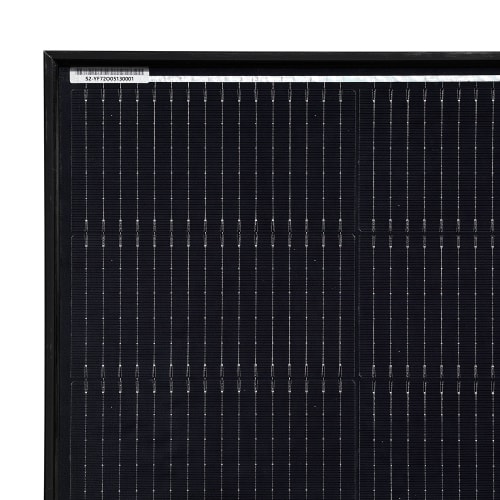
Our manufacturing line produces all-black residential panels that blend aesthetically with modern roofing materials while maintaining high efficiency ratings of 21% to 22.5%. These panels are particularly suitable for environmentally conscious homeowners seeking both performance and visual appeal.
Commercial and Utility-Scale Installations
Commercial and industrial installations benefit from larger panel formats that maximize power density and minimize installation costs per watt. Commercial 72-cell panels and utility-scale large-format modules reduce the number of panels, mounting structures, and electrical connections required for large installations, accelerating project timelines and reducing balance-of-system costs.
We offer custom sizing solutions for specialized applications, including panels optimized for specific mounting systems, integration with building facades, or compatibility with tracking systems that follow the sun throughout the day for increased energy capture.
Advantages of Different Solar Photovoltaic Panel Sizes
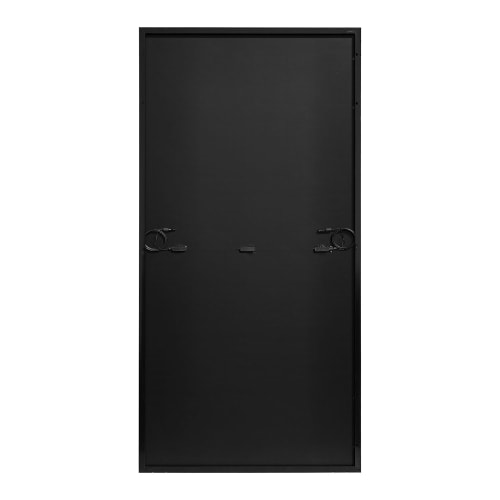
Both larger and smaller panels offer distinct advantages depending on installation requirements and constraints. Larger panels provide higher power output per unit, requiring fewer panels, less mounting hardware, and simplified electrical connections. This advantage translates to lower installation costs and reduced maintenance points for commercial and utility-scale projects.
Smaller panels offer greater installation flexibility, particularly for residential roofs with complex geometries or limited space. Their lighter weight reduces structural requirements and makes handling easier during installation. Additionally, the modular nature of smaller panels allows for more customized system sizing that precisely matches available space and energy needs.
Our comprehensive product range includes both standard and custom panel sizes, ensuring we can meet the specific requirements of any project regardless of scale or complexity. We work closely with installers and project developers to recommend optimal panel configurations that balance upfront costs with long-term energy production.
Impact of Panel Size on Installation and Maintenance
Panel size significantly influences both installation logistics and ongoing maintenance requirements. Larger panels, while reducing the total number of units, require stronger mounting systems and more robust structural support. Installation teams must carefully plan equipment needs and safety protocols for handling larger, heavier modules, particularly on sloped roofs where manual lifting may be required.
Maintenance considerations also vary by panel size. Larger panels may require specialized cleaning equipment to access their full surface area, particularly in commercial rooftop installations with multiple rows. Smaller residential panels are often accessible with standard cleaning equipment and basic homeowner maintenance routines.
In our experience, commercial installations with larger panels typically require annual professional maintenance contracts costing between $300 and $700, while residential systems with standard panels often incur annual maintenance costs of $150 to $300.
Innovations in Solar Panel Design and Size Optimization
The solar industry has experienced significant innovation in panel design that maximizes efficiency without necessarily increasing dimensions. Bifacial panels capture light from both front and rear surfaces, potentially increasing energy yield by 5% to 25% depending on installation conditions and surface reflectivity. Our bifacial product line features dual-glass construction that enhances durability and reduces long-term degradation.
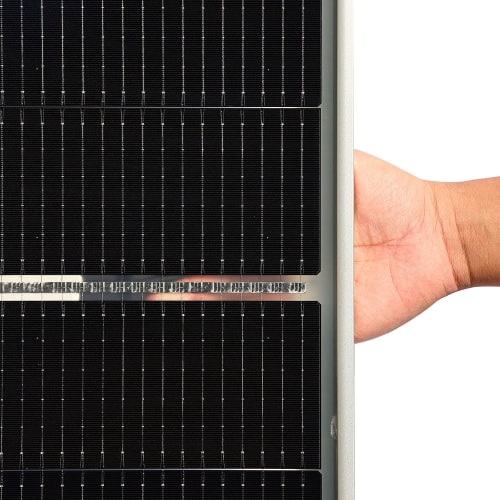
Half-cut cell technology represents another advancement that improves performance without increasing panel size. By cutting traditional solar cells in half and wiring them in parallel, resistive losses are reduced by approximately 75%, while the dual-section design enables better shade tolerance. When half of the panel is shaded, the other half continues operating at full capacity, whereas traditional panels might lose 30% to 80% of output under similar conditions.
Our R&D team continues developing innovative cell architectures and interconnection technologies that push efficiency boundaries while maintaining or reducing physical panel dimensions. These advancements help customers maximize energy production within their available space, improving return on investment regardless of installation constraints.
Cost Implications of Solar Photovoltaic Panel Size
Understanding the cost relationship between panel size and value is crucial for making informed investment decisions. Larger panels typically command higher upfront costs due to increased material usage, but their higher power output per panel reduces total system costs by requiring fewer units and less balance-of-system hardware.
The following table illustrates typical size, wattage, and price relationships for our product line:
| Panel Type | Dimensions (mm) | Power Output (W) | Approx. Cost per Watt | Best Application |
|---|---|---|---|---|
| Residential Standard | 1720 × 1040 | 400W-420W | $0.25-$0.28 | Typical homes with average roof space |
| Residential High-Efficiency | 1720 × 1040 | 430W-450W | $0.28-$0.32 | Space-constrained installations |
| Commercial Standard | 2278 × 1134 | 550W-580W | $0.24-$0.27 | Commercial rooftops, ground mounts |
| Utility Large-Format | 2384 × 1303 | 650W-720W | $0.23-$0.26 | Utility-scale projects, large fields |
The optimal balance between upfront costs and long-term energy yield depends on specific installation requirements, available space, and energy production goals. Our engineering team provides detailed cost-benefit analysis for each project, helping customers maximize return on investment over the system’s 25+ year lifetime.
Tips for Maximizing Energy Output Based on Panel Size
Proper orientation and tilt angle significantly influence energy production regardless of panel size. For fixed installations in the Northern Hemisphere, south-facing orientation with tilt angle approximately equal to local latitude maximizes annual production. East-west orientations can provide more consistent daily output with morning and evening peaks, potentially matching time-of-use electricity rates more effectively.
Using MPPT (Maximum Power Point Tracking) inverters optimizes energy capture across varying environmental conditions. Modern MPPT inverters achieve 99%+ tracking efficiency, continuously adjusting the electrical operating point to extract maximum power from panels despite changes in sunlight intensity, temperature, and partial shading conditions. We recommend inverters with multiple MPPT inputs for systems with different panel orientations or complex shading scenarios.
Regular maintenance schedules sustain efficiency throughout the system lifetime. Professional cleaning 1-2 times per year improves output by 5% to 10% in most environments, while annual inspections identify potential issues before they cause significant production losses. Our maintenance guidelines specify optimal cleaning intervals and inspection frequencies based on local environmental conditions.
Conclusion
Solar photovoltaic panel size directly influences efficiency and power output, but the optimal choice depends on multiple factors including installation type, energy needs, space constraints, and long-term value objectives. As a specialized manufacturer with comprehensive experience across residential, commercial, and utility-scale applications, we understand that one size does not fit all scenarios.
Selecting the right panel size requires careful consideration of available space, structural requirements, energy production goals, and budget constraints. Our team of experts provides personalized consultation for buyers and installers, helping design systems that maximize performance and return on investment regardless of project scale.
Whether you’re planning a residential rooftop installation, a commercial solar system, or a utility-scale solar farm, our custom manufacturing capabilities and technical expertise ensure we can deliver the optimal panel size and configuration for your specific needs. Contact us today for a consultation that will help you navigate the options and select the perfect solar photovoltaic panel size for your project.
FAQ
Q1: What are the standard dimensions of residential solar panels?
Most residential solar panels measure approximately 1.6 to 1.7 meters in length and 0.99 to 1.05 meters in width, typically configured as 60-cell panels with power outputs ranging from 350W to 450W.
Q2: Does a larger solar panel always produce more electricity?
Not necessarily. While larger panels have more surface area to capture sunlight, efficiency—the percentage of sunlight converted to electricity—is equally important. High-efficiency panels can often produce more power in a smaller footprint than larger, less-efficient alternatives.
Q3: What is the difference between 60-cell and 72-cell solar panels?
60-cell panels are smaller (typically 1.7m × 1.0m), lighter, and designed primarily for residential installations. 72-cell panels are larger (approximately 2.0m × 1.0m), heavier, and typically used for commercial and utility-scale projects where higher power output per panel reduces installation complexity.
Q4: How does panel size affect installation costs?
Larger panels reduce the total number of panels, mounting structures, and electrical connections needed, which can lower installation costs for commercial projects. However, they may require stronger mounting systems and more careful handling during installation, potentially increasing labor costs for residential applications.
Q5: Can I mix different sized solar panels in one system?
Mixing different panel sizes is generally not recommended as it can cause efficiency losses, complicate system design, and potentially void warranties. It’s best to use identical panels throughout an installation or consult with a professional if considering hybrid configurations for specific applications.
