
NEWS
Table of Contents
When it comes to installing solar energy systems, solar panel dimensions play a critical role in efficiency, installation feasibility, and overall energy output. As a manufacturer, we provide detailed insights into solar panel sizes, helping you select the right panel for your home, commercial project, or off-grid system. This guide covers everything from standard measurements to custom options, ensuring you make an informed decision.
What Are Solar Panel Dimensions?
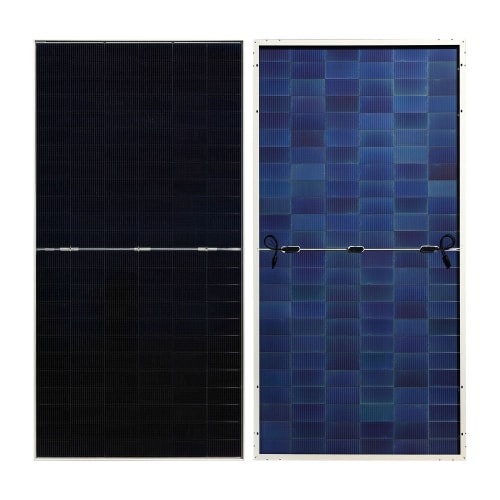
Solar panel dimensions refer to the width, length, and thickness of a panel, as well as its weight. These measurements are vital because they determine how many panels can fit in a given area, how much energy can be generated, and what structural support is needed.
Standard Measurements of Solar Panels
Most residential panels are available in 60-cell or 72-cell configurations, with dimensions typically ranging as follows:
- 60-cell panels: 65 inches x 39 inches (165 cm x 99 cm)
- 72-cell panels: 78 inches x 39 inches (198 cm x 99 cm)
Importance of Dimensions in Solar Panel Performance
Panel size impacts efficiency. Larger panels generally produce more energy, but space constraints on rooftops or in portable applications may require smaller panels. Choosing the right dimensions ensures maximum energy output without compromising the installation area.
Differences Between Residential and Commercial Panel Sizes
Commercial panels are usually larger to accommodate higher energy needs. They often range up to 80 inches x 40 inches, whereas residential panels remain within 65–78 inches in length.
Common Solar Panel Sizes and Dimensions
Understanding typical panel dimensions helps homeowners and businesses plan installations effectively.
60-Cell vs 72-Cell Solar Panels
| Panel Type | Dimensions (inches) | Dimensions (cm) | Typical Wattage |
|---|---|---|---|
| 60-Cell | 65 x 39 | 165 x 99 | 280–320 W |
| 72-Cell | 78 x 39 | 198 x 99 | 350–400 W |
Typical Width, Length, and Thickness
Most panels are 1.6–2 inches thick, allowing them to fit under standard mounting rails while being sturdy enough to withstand environmental conditions. Width and length are dictated by the number of solar cells.
Weight Considerations for Different Sizes
Residential panels typically weigh 40–50 lbs (18–23 kg), while commercial panels may weigh up to 60 lbs (27 kg). This affects transportation and rooftop support requirements.
How Solar Panel Dimensions Affect Efficiency
Power Output Relative to Size
Larger panels generally provide more wattage. However, efficiency depends on both size and cell technology. For example, a 72-cell monocrystalline panel produces more energy per square foot than a polycrystalline panel of similar size.
Space Optimization on Rooftops
Maximizing rooftop space is critical. Knowing panel dimensions helps design layouts that reduce shading and maximize sunlight exposure.
Large vs Small Panels – Pros and Cons
- Large panels: Higher output per unit, fewer connections needed, may require structural reinforcement.
- Small panels: Flexible layout, easier installation, ideal for partial or off-grid setups.
Choosing the Right Solar Panel Dimensions for Your Needs
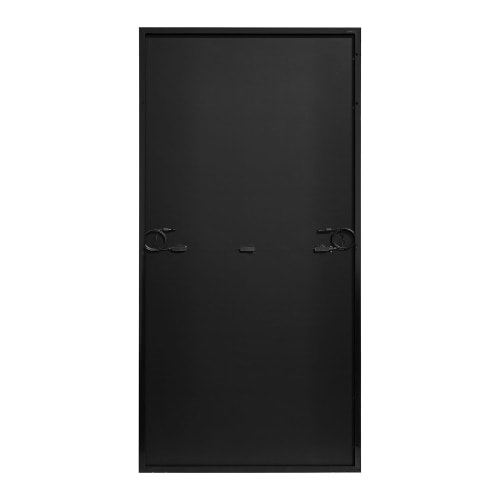
Residential Rooftop Installations
Measure your roof and calculate how many panels fit. Standard 60-cell panels often work best for typical homes, balancing efficiency and space.
Off-Grid Systems and Portable Panels
Smaller panels, such as 100–200W modules, are ideal for RVs, boats, or cabins. Their compact dimensions allow easy transport and flexible installation.
Commercial Solar Projects
Commercial rooftops or solar farms often require 72-cell panels for maximum energy production. Proper dimension planning ensures panels are aligned for optimal sunlight capture.
Custom Solar Panel Dimensions for Special Applications
How Manufacturers Customize Dimensions
As a manufacturer, we offer custom solar panel dimensions to meet unique project requirements, from unusual rooftop layouts to specialized equipment.
Benefits of Custom-Sized Panels
- Perfect fit for space-limited installations
- Optimized energy output
- Reduced installation and maintenance costs
Typical Requests from Customers
- Non-standard lengths for sloped or irregular roofs
- High-output panels for industrial projects
- Portable panel kits with compact dimensions
Solar Panel Size Chart and Measurement Guide
Creating a panel layout requires accurate measurements. Here’s a quick reference table for commonly used panels:
| Wattage | Cell Count | Dimensions (inches) | Dimensions (cm) | Weight (lbs/kg) |
|---|---|---|---|---|
| 100W | 36 | 41 x 21 | 104 x 53 | 12 / 5.4 |
| 200W | 60 | 65 x 39 | 165 x 99 | 45 / 20.5 |
| 300W | 72 | 78 x 39 | 198 x 99 | 50 / 22.7 |
| 400W | 72 | 78 x 39 | 198 x 99 | 55 / 25 |
How to Measure Existing Panels Before Replacement
- Measure length, width, and thickness of your current panel.
- Record mounting hole locations to ensure compatibility.
- Confirm weight limits of the supporting structure.
Tips for Planning Panel Layouts
- Leave at least 1–2 inches between panels for thermal expansion
- Align panels to minimize shading
- Plan for inverter and wiring placement
Why Buying Direct from the Manufacturer Matters
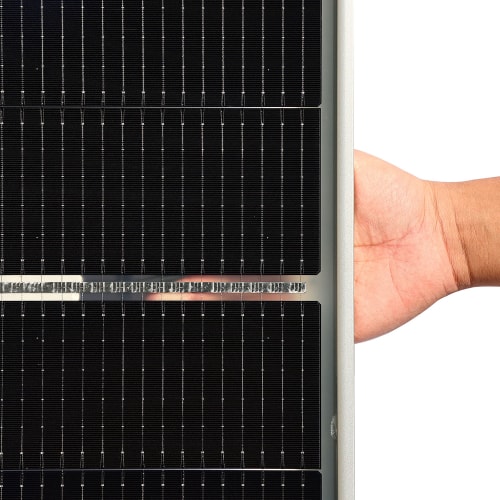
Quality Assurance and Warranty
Purchasing directly from a manufacturer ensures genuine products, stringent quality control, and full warranty support.
Cost Benefits of Direct Purchase
Eliminate middlemen and get competitive pricing on bulk or custom-sized orders.
Faster Custom Orders for Specific Dimensions
Direct orders allow quick turnaround for panels with unique dimensions or high-output requirements, ideal for both residential and commercial projects.
Conclusion
Choosing the right solar panel dimensions is essential for maximizing energy output, optimizing installation space, and ensuring long-term system performance. As a manufacturer, we provide both standard and custom-sized solar panels to meet any project requirement.
Need the perfect solar panel for your project? Contact us today for custom dimensions, competitive pricing, and reliable delivery straight from the manufacturer.
FAQ
What are standard solar panel dimensions?
Most residential solar panels are either 60-cell or 72-cell. 60-cell panels are typically 65 x 39 inches (165 x 99 cm), while 72-cell panels are 78 x 39 inches (198 x 99 cm).
How do solar panel dimensions affect energy output?
Larger panels usually generate more power because they contain more solar cells. However, efficiency also depends on cell technology and panel placement.
Can I install different-sized panels on the same roof?
Yes, but mixing sizes requires careful planning to maintain electrical balance and maximize efficiency. It’s best to consult a manufacturer for guidance.
Are there custom solar panel dimensions available?
Yes. Manufacturers can produce panels in custom dimensions to fit unique rooftops, off-grid systems, or specialized projects.
How do I measure my roof for solar panel installation?
Measure the length, width, and available area of your roof. Factor in space for mounting, wiring, and airflow between panels to optimize layout and efficiency.
Need Help Choosing the Right Solar Panel Dimensions?
If you’re unsure about which solar panel size is best for your home, rooftop, or commercial project, our experts are here to help. Contact us today for a personalized consultation, and ensure your solar energy system is optimized for maximum efficiency and performance. Don’t wait to save on energy—get in touch now to get the perfect panels for your project!
