
NEWS
Table of Contents
Introduction

The global transition toward renewable energy has accelerated dramatically in recent years, with both residential and commercial sectors increasingly adopting solar power as their primary energy source. As electricity prices continue to rise across international markets and environmental regulations tighten, roof solar panel systems have emerged as the preferred choice for property owners seeking energy independence and cost reduction.
Modern rooftop solar panel solutions represent a significant leap forward from earlier iterations. Today’s systems feature advanced photovoltaic technologies that deliver exceptional efficiency rates, sleek designs that integrate seamlessly with building architecture, and smart monitoring capabilities that optimize energy production in real-time. Whether you’re a homeowner looking to reduce monthly utility bills or a business owner seeking to stabilize operational costs, solar roof installations offer a practical, proven pathway to sustainable energy consumption.
The growing demand stems from multiple factors: declining equipment costs making solar more accessible than ever, enhanced panel efficiency maximizing energy output from limited roof space, and increasing awareness of environmental responsibility among consumers and corporations alike. With typical payback periods now ranging from 5-8 years and systems operating efficiently for 25-30 years, the financial case for roof solar panel installations has never been stronger.
How Roof Solar Panel Systems Work
Key Components of a Rooftop Solar System
Understanding the fundamental components of a rooftop solar system is essential for anyone considering installation. A complete system comprises four main elements working in harmony to convert sunlight into usable electricity.
Solar panels serve as the system’s heart, containing photovoltaic cells that directly convert sunlight into direct current (DC) electricity. Modern panels utilize monocrystalline silicon cells with efficiency rates reaching 22-24%, with premium models exceeding 25% in laboratory conditions. These cells are sandwiched between protective layers of tempered glass and weather-resistant backing materials, ensuring durability across decades of exposure to harsh environmental conditions.
The inverter functions as the system’s brain, transforming DC electricity from panels into alternating current (AC) electricity compatible with building electrical systems and grid connection. String inverters represent the traditional approach, connecting multiple panels in series, while microinverters attach to individual panels, optimizing each panel’s output independently and enhancing system resilience when partial shading occurs. Power optimizers offer a middle ground, providing panel-level optimization while maintaining a centralized inverter.
Mounting systems secure panels to the roof while ensuring optimal positioning for solar exposure. Rail-based systems dominate pitched roof installations, utilizing brackets anchored to roof rafters that support aluminum rails. Flat roof installations typically employ ballasted systems that use weighted blocks to secure panels without penetrating the roof membrane, preserving warranty coverage. Advanced mounting systems incorporate tilt mechanisms allowing precise angle adjustment based on geographic location and seasonal sun position.
Battery storage systems, while optional for grid-connected installations, have gained popularity as energy prices rise and grid reliability concerns grow. Modern lithium-ion battery solutions store excess energy generated during peak production hours for use during nighttime or grid outages, enabling true energy independence. Battery capacities typically range from 5-20 kilowatt-hours for residential applications, with commercial systems scaling to hundreds of kilowatt-hours.
Energy Conversion Process
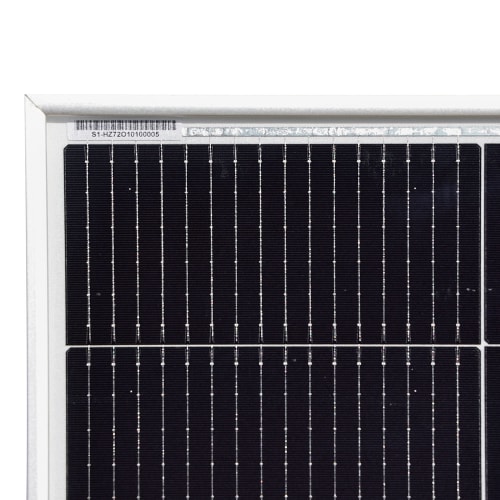
The photovoltaic effect driving solar energy production occurs when photons from sunlight strike semiconductor materials in solar cells, knocking electrons loose from their atomic bonds. This creates electron flow through the cell material, generating DC electricity. The amount of electricity produced depends directly on sunlight intensity, with panels operating at reduced efficiency during cloudy conditions but still generating meaningful output through diffuse light.
Grid-tied roof solar panel systems connect directly to the electrical grid, allowing bidirectional electricity flow. These systems export excess energy to the grid when production exceeds consumption and import electricity when production falls short. Net metering programs in many regions credit system owners for exported energy at retail rates, further improving financial returns. Grid-tied systems offer lower initial costs by eliminating battery requirements while providing reliability through grid backup.
Off-grid roof solar panel systems operate independently from the electrical grid, requiring battery storage to provide continuous power. These systems incorporate charge controllers that regulate battery charging from solar panels and prevent overcharging. Off-grid installations suit remote locations where grid connection is impractical or prohibitively expensive, though they demand larger solar arrays and battery banks to ensure reliable power during periods of limited sunlight.
Types of Roof Solar Panel Solutions
Residential Roof Solar Panel Systems
Residential solar installations typically range from 5-20 kilowatts in capacity, with system size determined by available roof space, household electricity consumption, and budget constraints. Design considerations for homes include orientation relative to the sun, roof pitch affecting panel positioning, shading from trees or neighboring structures, and local building regulations governing solar installations.
The best solar panels for residential roofs combine high efficiency with aesthetic appeal. Monocrystalline panels dominate the residential market due to their superior efficiency rates of 20-22% and compact form factors that maximize energy production from limited roof area. Premium models featuring PERC (Passivated Emitter Rear Cell) or TOPCon (Tunnel Oxide Passivated Contact) technologies achieve even higher efficiencies while maintaining excellent performance in high-temperature conditions. All-black panel designs with black frames and back sheets provide seamless integration with dark-colored roofing materials.
Residential installations typically utilize string inverters for cost efficiency, though microinverters become preferable for roofs with complex orientations or partial shading. Battery storage adoption among homeowners has accelerated as costs decline, with typical installations including 10-15 kilowatt-hour capacity covering evening electricity consumption.
Commercial Roof Solar Panel Systems
Commercial solar installations scale dramatically larger than residential systems, typically ranging from 50 kilowatts to multiple megawatts. Large-scale rooftop solar panel installations leverage economies of scale to achieve lower costs per watt than residential systems, making commercial solar particularly attractive for businesses with high daytime electricity consumption.
Industrial and warehouse applications often feature flat roof designs ideal for maximizing solar coverage. Commercial facilities typically exhibit excellent alignment between solar production profiles and operational electricity consumption, with daytime operations coinciding with peak solar generation. This alignment maximizes self-consumption rates and improves financial returns by reducing reliance on grid electricity during expensive peak rate periods.
Commercial systems frequently incorporate advanced monitoring platforms providing detailed performance analytics at panel and string levels. These systems enable facility managers to identify underperforming components quickly and optimize maintenance scheduling. Larger installations often qualify for specialized commercial financing structures including Power Purchase Agreements (PPAs) that eliminate upfront capital requirements while providing immediate electricity cost savings.
Roof Compatibility and Installation Types
Flat roof solar panel systems offer unique advantages in installation flexibility. The absence of predetermined roof pitch allows installers to optimize panel tilt angles for maximum energy production based on geographic location and seasonal sun positioning. Flat roof installations typically utilize ballasted mounting systems that avoid roof penetrations, preserving existing roof warranties. However, these systems require careful structural analysis to ensure roof capacity supports additional weight from ballast blocks, which typically range from 4-8 pounds per square foot. East-west mounting configurations have gained popularity for flat roofs, allowing higher panel density by eliminating extensive spacing requirements for shading avoidance while generating energy across extended daylight hours.
Pitched roof solar panel installations adapt to various roofing materials including asphalt shingles, clay tiles, metal roofing, and slate. Mounting systems differ significantly by roofing material, with shingle roofs utilizing flashed roof mounts, tile roofs requiring specialized brackets that avoid tile breakage, and metal roofs incorporating clamping systems that attach directly to standing seams. Pitched installations generally offer simpler mounting requirements than flat roofs but may present greater installation challenges due to safety considerations working on sloped surfaces.
Metal roof compatibility presents excellent opportunities for solar installations, with standing seam metal roofs offering particularly straightforward attachment through clamping systems that eliminate roof penetrations. Shingle roof compatibility requires careful attention to flashing details to prevent roof leaks, though specialized mounting components have dramatically improved installation reliability. Alternative roofing materials such as rubber membranes or built-up roofing may require specialized attachment methods or additional reinforcement.
Benefits of Installing Roof Solar Panels

Reduction in Electricity Costs
The most immediate and quantifiable benefit of roof solar panels involves dramatic reduction in electricity expenses. Residential systems typically offset 60-90% of household electricity consumption, with properly sized systems achieving near-complete offset during peak production months. Commercial installations frequently offset even higher percentages due to daytime consumption patterns aligning with solar generation profiles.
Actual savings depend on multiple factors including local electricity rates, system size, solar resource availability, and consumption patterns. Residential systems typically generate returns of 8-12% annually, while commercial installations often achieve 12-15% returns due to larger scale and better alignment between production and consumption. These returns exceed most conventional investment vehicles while providing inflation protection as electricity rates rise over time.
Environmental Advantages and Sustainability
Roof solar panels generate clean electricity without greenhouse gas emissions, air pollutants, or water consumption during operation. A typical 10-kilowatt residential system offsets approximately 10-12 tons of carbon dioxide annually, equivalent to planting 250-300 trees. Commercial systems deliver proportionally greater environmental benefits, with a 100-kilowatt installation offsetting over 100 tons of carbon dioxide per year.
Beyond carbon reduction, solar energy eliminates emissions of sulfur dioxide, nitrogen oxides, and particulate matter associated with conventional fossil fuel electricity generation. These reductions improve local air quality and public health outcomes, particularly in regions reliant on coal-fired power plants. Solar energy also avoids water consumption for cooling requirements that characterize thermal power plants, preserving scarce water resources in drought-prone regions.
Increasing Property Value with Solar Panel Roofs
Multiple studies have demonstrated that solar installations increase property values. The National Renewable Energy Laboratory found that homes with solar panels sell for approximately 4% more than comparable homes without solar. This value increase often exceeds the net system investment after incentives, making solar installations financially attractive from a property appreciation perspective.
Commercial properties experience similar valuation increases, with solar-equipped buildings commanding higher rental rates and occupancy rates. Solar installations also extend effective roof lifespan by protecting underlying materials from UV radiation and thermal cycling. Building owners benefit from reduced roof maintenance requirements and delayed replacement costs.
Energy Independence for Businesses and Homeowners
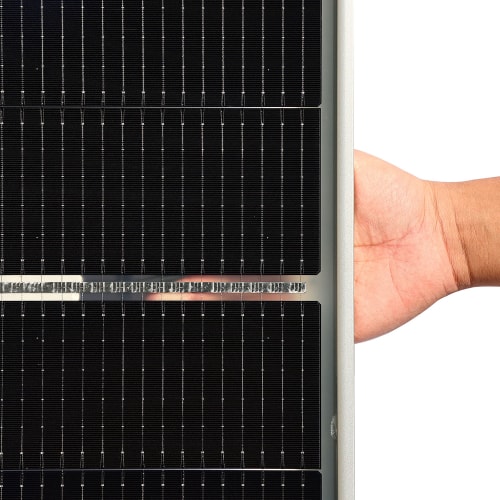
Solar installations provide meaningful protection against electricity price volatility. While grid electricity prices have historically increased at 2-3% annually with occasional spikes during supply disruptions, solar systems generate electricity at fixed costs for their operational lifetime. This price stability enables better financial planning and budget certainty for both households and businesses.
Energy independence extends beyond price protection to include reliability benefits. Solar systems paired with battery storage provide backup power during grid outages, critical for businesses requiring continuous operations or households with medical equipment dependencies. Even without storage, grid-connected solar systems reduce strain on electrical infrastructure during peak demand periods, decreasing the likelihood of rolling blackouts.
Roof Solar Panel Installation Process
Site Assessment and Roof Inspection
Professional installation begins with comprehensive site assessment and roof inspection. Installers evaluate roof structure and orientation, identifying optimal panel placement for maximum solar exposure. Roof condition assessment includes examination of roofing materials, underlying structure, and potential repair needs before installation. Solar equipment warranties typically require 15-25 years of roof life remaining, necessitating roof replacement before solar installation when approaching end-of-life.
Sunlight exposure analysis utilizes solar path modeling tools to identify shading obstacles throughout the year. Critical shading sources include trees, neighboring buildings, roof-mounted equipment, and architectural features. Professional installers use shade analysis tools such as Solmetric SunEye or similar devices to quantify annual shading losses and optimize system design accordingly.
Electrical infrastructure assessment determines connection requirements for the solar system. This evaluation includes main electrical panel capacity, available breaker space, wire routing from roof array to electrical service, and potential upgrades needed for code compliance. Older electrical systems may require panel upgrades to accommodate solar connections safely.
System Design and Engineering
Custom roof solar panel solutions begin with detailed engineering based on assessment findings. System sizing balances available roof space, budget constraints, and electricity consumption patterns. Oversized systems waste investment capital through excess generation that cannot be utilized or exported at favorable rates, while undersized systems fail to maximize potential savings.
String configuration optimizes electrical performance by grouping panels appropriately for inverter compatibility. String length must match inverter voltage windows while accounting for temperature variations affecting output voltage. Shading analysis influences string design, with shaded areas often isolated to separate strings or equipped with power optimizers to minimize production losses.
Structural engineering ensures roof capacity supports additional loads from solar equipment and mounting systems. Calculations consider dead loads from equipment weight and live loads including wind uplift forces, snow accumulation, and maintenance personnel. Ballasted flat roof systems require particularly careful structural analysis due to concentrated weight from ballast blocks.
Permitting packages include detailed drawings, electrical schematics, structural calculations, and equipment specifications required for building department approval. Permitting timelines vary significantly by jurisdiction, with some areas expediting solar permits through streamlined processes while others require extensive review periods.
Installation and Commissioning
Mounting system installation proceeds according to engineering plans and manufacturer specifications. Pitched roof installations typically begin with roof jack installation and flashing integration to ensure waterproof integrity. Rail mounting follows, with careful attention to alignment and leveling for optimal panel positioning. Flat roof installations position ballasted racks according to layout drawings, with ballast placement verified against structural engineering calculations.
Electrical installation includes wire management systems, conductor sizing based on circuit length and current requirements, and appropriate disconnect switches for safe maintenance access. All connections undergo torque verification according to manufacturer specifications to prevent loose connections that could cause arcing or failure. Grounding systems protect equipment and personnel from electrical faults.
Commissioning tests verify system performance against design expectations. Installers measure open-circuit voltage, short-circuit current, and maximum power output for individual strings and the complete system. Inverter programming optimizes performance parameters, and monitoring platforms are configured with production targets and alert thresholds. Final documentation includes as-built drawings, warranty registrations, and operating instructions.
Safety and compliance standards govern all installation aspects. Electrical work follows National Electrical Code requirements and local amendments. Workers utilize fall protection equipment appropriate for roof type and height. OSHA regulations dictate workplace safety requirements for commercial installations, particularly large-scale projects with multiple workers on-site.
Cost Factors and ROI of Roof Solar Panel Systems
Average Roof Solar Panel Cost for Residential and Commercial Use
Residential solar system costs typically range across various price points depending on system size, equipment quality, and installation complexity. These costs include solar panels, inverter, mounting system, electrical components, and installation labor. Premium equipment and complex installations can increase costs beyond standard ranges, while basic installations on simple roofs may fall toward more accessible price points.
Commercial solar systems benefit from economies of scale, achieving lower costs per watt for systems exceeding 100 kilowatts. Commercial installations often incorporate more sophisticated monitoring and management systems but benefit from simpler mounting requirements on large flat roof surfaces.
Geographic variations affect pricing due to differences in labor costs, permitting requirements, market competition, and local supply chain factors. Solar costs tend to be higher in regions with limited installer competition or complex regulatory environments. Conversely, mature markets with high adoption rates often feature competitive pricing due to installer efficiency and supply chain optimization.
Key Factors Affecting Pricing
System size represents the primary cost driver, with larger systems achieving lower costs per watt through economies of scale. Equipment choices significantly impact costs, with premium panels featuring advanced technologies commanding higher prices over standard models. Inverter selection affects costs, with microinverter systems typically costing more than string inverter configurations.
Roof complexity influences installation costs dramatically. Simple roof surfaces with good access and minimal obstacles allow faster, less expensive installation. Complex roofs with multiple planes, steep pitches, or difficult access require additional labor and safety equipment, increasing costs. Roof material also affects costs, with slate or tile roofs typically requiring specialized mounting components and more careful installation techniques.
Labor costs vary by region and depend on installation complexity. Commercial installations often achieve lower labor costs per watt due to larger scale and more efficient installation processes. Electrical upgrades, including panel replacements or service upgrades, add to total project costs when required by existing infrastructure limitations.
Return on Investment and Payback Period
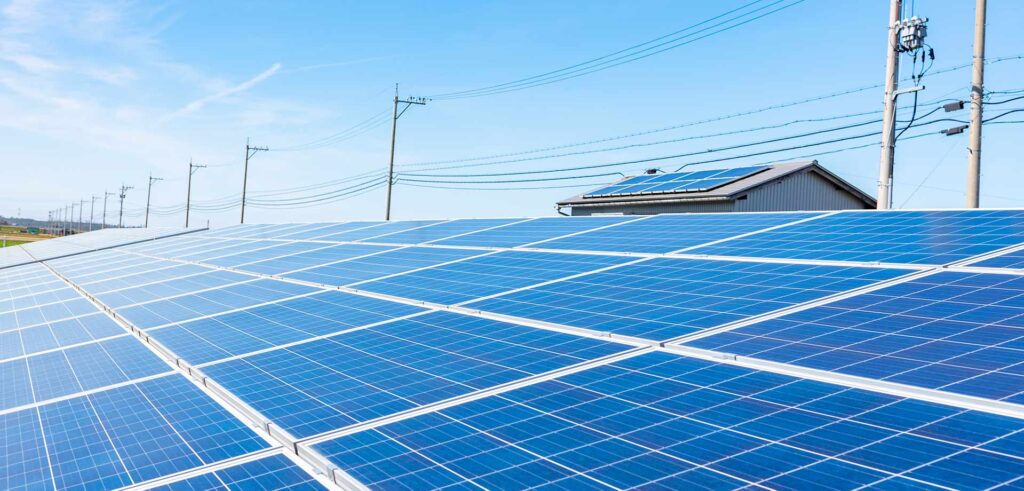
Return on investment calculations must consider multiple factors including equipment costs, incentives, electricity savings, and system performance over time. Residential systems typically achieve payback periods of 6-10 years before incentives, with available incentives reducing this timeframe in favorable markets. Commercial systems often achieve faster payback due to larger scale, better consumption alignment, and additional tax benefits including depreciation.
Long-term returns extend far beyond the payback period, with systems generating free electricity for 15-25 years after initial investment recovery. Internal rates of return for residential systems typically range from 10-15%, while commercial installations often achieve 12-20% returns. These returns exceed most conventional investment categories while providing inflation protection through electricity cost savings.
The following table compares key characteristics of different roof solar panel system types:
| System Type | Size Range | Typical Efficiency | Typical Payback Period | Applications | Ideal Roof Type |
|---|---|---|---|---|---|
| Residential | 5-10 kW | 20-22% | 6-10 years | Single-family homes, small multi-family units | Pitched roofs with good sun exposure |
| Small Commercial | 25-100 kW | 21-23% | 5-7 years | Small businesses, retail stores, office buildings | Flat or low-slope commercial roofs |
| Large Commercial | 100-500 kW | 22-24% | 4-6 years | Warehouses, manufacturing facilities, shopping centers | Large flat roofs with ample space |
| Industrial | 500+ kW | 23-25% | 3-5 years | Industrial complexes, data centers, large-scale operations | Flat roofs with high load capacity |
Government Incentives and Tax Benefits
Federal incentives provide substantial support for solar installations. The Investment Tax Credit (ITC) offers a percentage of qualified system costs as a tax credit, significantly reducing effective system costs. This credit applies to both residential and commercial installations, with commercial projects also eligible for accelerated depreciation through MACRS (Modified Accelerated Cost Recovery System), allowing system costs to be depreciated over multiple years.
State and local incentives vary widely but can include additional tax credits, cash rebates, performance-based incentives, and property tax exemptions for solar equipment. Some regions offer Solar Renewable Energy Credits (SRECs) that provide ongoing revenue based on system energy production. These incentives can reduce effective system costs by additional percentages beyond federal benefits.
Utility programs complement government incentives through net metering policies, feed-in tariffs, and demand response programs. Net metering allows system owners to receive credit for exported energy, dramatically improving financial returns. Some utilities offer additional rebates for solar installations or preferential electricity rates for solar customers, particularly in regions seeking to increase renewable energy adoption.
Choosing the Right Roof Solar Panel Manufacturer
What to Look for in a Supplier
Certifications and quality standards provide essential assurance of product reliability and performance. Look for manufacturers certified to international standards including IEC 61215 (module performance), IEC 61730 (safety), and ISO 9001 (quality management). Additional certifications such as PID (Potential Induced Degradation) resistance, salt mist resistance for coastal installations, and ammonia resistance for agricultural environments indicate product suitability for specific applications.
Production capacity and customization capabilities determine whether a manufacturer can meet project requirements reliably. Established manufacturers with vertically integrated production processes control quality across all components from silicon cells through module assembly. Production capacity scaling ensures availability for large commercial or utility-scale projects without supply chain disruptions.
Warranty coverage provides critical protection for long-term investment. Product warranties typically cover equipment defects for 10-12 years, while performance warranties guarantee minimum output levels over 25-30 years. Premium manufacturers offer linear warranties guaranteeing specific annual performance degradation rather than stepped warranties covering only final year output. Look for manufacturers with sufficient financial stability to honor warranty commitments over decades.
Advantages of Working Directly with a Manufacturer
Direct manufacturer relationships deliver competitive pricing and bulk supply advantages. Eliminating distributor margins typically reduces equipment costs, particularly meaningful for large-scale installations. Direct purchasing also ensures access to latest product technologies and specifications rather than inventory that may have been stored for extended periods through distribution channels.
OEM and custom rooftop solar panel solutions address unique project requirements beyond standard module specifications. Manufacturers can customize frame dimensions, junction box configurations, cell layouts, and electrical characteristics to match specific installation challenges or aesthetic requirements. Custom solutions particularly benefit building-integrated photovoltaics (BIPV) applications or projects with unusual dimensional constraints.
Better technical support and after-sales service differentiate manufacturers from distributors. Direct relationships provide access to engineering expertise for complex installation challenges, detailed performance data for system modeling, and expedited warranty resolution when issues arise. Manufacturers with established service networks can provide field support for troubleshooting and commissioning, reducing installation risks and accelerating project timelines.
Maintenance and Lifespan of Roof Solar Panels

Typical Lifespan of Roof Solar Panel Systems
Modern solar panels are engineered for exceptional durability, with most manufacturers providing 25-year performance warranties guaranteeing minimum output levels. Beyond warranty periods, panels continue generating electricity for decades, albeit at gradually reduced output. Typical degradation rates range from 0.5-0.8% annually, meaning panels retain approximately 80-85% of original capacity after 25 years.
Inverters typically require replacement before solar panels, with string inverters lasting 10-15 years and microinverters engineered for 20-25 year lifespans. Budgeting for eventual inverter replacement ensures realistic long-term financial projections. Extended warranty options for inverters provide additional protection beyond standard coverage periods.
Mounting systems constructed from aluminum and stainless steel typically exceed solar panel lifespan when properly installed. Regular inspection of fasteners, grounding connections, and roof penetrations identifies potential issues before they cause system failures. Flat roof ballasted systems require periodic verification of ballast positioning, particularly after extreme weather events.
Routine Maintenance and Cleaning Tips
Solar panel cleaning requirements vary significantly by location and installation characteristics. Regions with minimal rainfall may require cleaning 1-2 times annually to remove dust accumulation that can reduce output. Areas with significant pollen, bird activity, or industrial pollution may need more frequent cleaning. Automated cleaning systems available for large installations reduce maintenance labor requirements.
Electrical maintenance includes regular inspection of wire connections, inverter operation, and monitoring system functionality. Loose connections cause resistance heating and potential fire hazards, requiring periodic torque verification. Inverter cooling systems need cleaning to prevent overheating, particularly in dusty environments. Monitoring platform validation ensures accurate performance tracking and timely identification of issues.
Vegetation management prevents shading that significantly reduces system output. Trees and shrubs require regular pruning to maintain clearance around solar arrays. Ground-mounted systems may need weed control to prevent shading from tall vegetation. Seasonal growth patterns necessitate more frequent monitoring during spring and fall growing seasons.
Monitoring System Performance and Efficiency
Advanced monitoring systems provide real-time performance data at system, string, and panel levels. Modern monitoring platforms incorporate weather data, production analytics, and fault detection algorithms to identify performance issues automatically. Smartphone applications enable system owners to track performance conveniently and receive alerts for potential problems.
Performance benchmarking compares actual output against expected production based on system specifications and local solar resource. Significant deviations from expected output trigger investigation into potential causes including equipment failures, shading issues, or soiling. Regular performance verification ensures systems operate optimally and identifies warranty claims promptly when equipment underperforms.
Data logging capabilities support financial analysis by tracking energy production, consumption patterns, and grid interaction. This information enables optimization of self-consumption strategies, verification of savings projections, and documentation for incentive program compliance. Historical performance data also supports system expansion decisions by identifying capacity for additional solar capacity.
Common Challenges and How to Overcome Them
Roof Limitations and Structural Concerns
Older roofs with limited remaining lifespan present challenges for solar installations. Solar equipment warranties typically require 15-25 years of remaining roof life, necessitating roof replacement before solar installation when approaching end-of-life. Coordinating roof replacement with solar installation allows integration of solar mounting systems with roofing materials, reducing penetrations and improving waterproofing.
Structural limitations affect feasibility, particularly for ballasted flat roof systems. Older buildings may require structural reinforcement to support additional loads from solar equipment. Structural engineering analysis identifies capacity limitations and reinforcement requirements, with solutions ranging from localized reinforcement to complete roof system replacement.
Multiple roof orientations complicate system design when buildings feature complex rooflines with varying aspects. East-west roof orientations require different optimization strategies than ideal south-facing surfaces. Multiple inverters or power optimizers address orientation challenges, though these solutions increase costs. System modeling identifies optimal equipment selection for complex roof conditions.
Weather Impact on Solar Panel Performance
High temperatures reduce solar panel efficiency through well-documented temperature coefficients. Most panels lose approximately 0.3-0.5% of output per degree Celsius above standard test conditions of 25°C. This effect becomes significant in hot climates where panel temperatures frequently exceed 50°C. Solutions include selecting panels with superior temperature coefficients, ensuring adequate ventilation behind panels, and sizing systems slightly larger to account for temperature-related losses.
Snow accumulation temporarily stops production but typically melts quickly from dark panel surfaces. Ground-mounted systems or elevated flat roof installations allow snow to slide off more readily than flush-mounted pitched roof installations. System design considerations for snow-prone regions include increased tilt angles and additional structural capacity for snow loads. Production estimates for these regions incorporate seasonal production variations.
Extreme weather events including hurricanes, tornadoes, and hailstorms threaten solar installations. Properly engineered mounting systems address wind uplift forces through structural calculations and appropriate attachment methods. Solar panels must meet specific hail impact resistance standards, with premium products exceeding minimum requirements. Insurance coverage protects against catastrophic weather damage, though proper system engineering minimizes risks.
Installation and Permitting Challenges
Complex permitting processes delay installations and increase costs in jurisdictions with cumbersome regulations. Some municipalities require extensive structural reviews, electrical permits, and zoning approvals. Strategies for navigating permitting challenges include working with experienced installers familiar with local requirements, utilizing streamlined solar permit processes where available, and engaging permit expeditors for particularly complex jurisdictions.
HOA (Homeowners Association) restrictions present challenges for residential installations in planned communities. Some associations prohibit solar installations or impose strict aesthetic requirements. State solar rights laws typically override HOA restrictions, but navigating these processes requires understanding specific regulations. Early engagement with HOA boards and providing educational materials about solar benefits often facilitates approval.
Utility interconnection requirements vary significantly between service territories. Some utilities have streamlined interconnection processes with standardized agreements, while others require extensive engineering studies and protective equipment upgrades. Experienced installers understand local utility requirements and navigate interconnection processes efficiently, minimizing delays and additional costs.
Future Trends in Roof Solar Panel Technology
High-Efficiency Solar Panels
Solar cell efficiency improvements continue pushing performance boundaries beyond traditional silicon limitations. TOPCon (Tunnel Oxide Passivated Contact) technology has achieved commercial module efficiencies exceeding 25%, representing significant improvement over standard PERC cells. Heterojunction (HJT) technology combines different silicon materials to achieve efficiencies approaching 26%, with particularly superior performance in high-temperature conditions.
Perovskite-silicon tandem cells represent the next frontier in solar efficiency, with laboratory devices exceeding 30% conversion efficiency. These technologies stack multiple light-absorbing materials to capture different portions of the solar spectrum, breaking theoretical efficiency limits of single-junction devices. Commercial deployment of tandem cells has begun, with significant market penetration expected within 2-3 years.
Bifacial technology captures sunlight from both panel surfaces, increasing energy production by 10-30% depending on installation conditions. These panels particularly benefit installations over reflective surfaces including white roofing membranes, concrete, or light-colored ground surfaces. Bifacial adoption has accelerated as costs approach parity with traditional monofacial panels while delivering superior energy yields.
Lightweight and Flexible Rooftop Solar Solutions
Flexible thin-film technologies enable installations on surfaces unsuitable for traditional rigid panels. These lightweight modules can be installed on curved surfaces, membrane roofs with limited load capacity, and architectural applications where traditional panels would be impractical. While efficiency lags behind crystalline silicon, flexibility and light weight enable novel applications.
Lightweight glass-free modules reduce installation complexity and expand roof compatibility. These modules utilize polymer front sheets instead of glass, significantly reducing weight while maintaining acceptable durability. Applications include roofs with limited structural capacity and installations requiring rapid deployment without specialized lifting equipment.
Building-integrated photovoltaics (BIPV) incorporate solar collection directly into building materials including roofing, glazing, and facades. Solar roof tiles, solar glass windows, and facade-integrated panels maintain architectural aesthetics while generating electricity. BIPV adoption increases as costs decline and design options expand, particularly for new construction projects.
Integration with Smart Energy Systems and Storage
Solar plus storage systems enable true energy independence and resiliency. Declining battery costs have made energy storage increasingly affordable, with typical residential systems achieving payback periods in favorable markets. Commercial installations benefit from larger-scale storage systems that reduce peak demand charges and provide backup power during grid outages.
Smart inverters and energy management systems optimize solar system performance through advanced functions including voltage regulation, frequency response, and islanding capabilities. These capabilities support grid stability while enabling higher levels of solar penetration. Future systems will incorporate artificial intelligence for predictive performance optimization based on weather forecasts and consumption patterns.
Virtual power plants aggregate distributed solar systems to provide grid services similar to traditional power plants. By coordinating thousands of individual solar installations through software platforms, virtual power plants deliver reliable capacity, frequency regulation, and voltage support without building new central generation facilities. These configurations enable higher renewable energy penetration while maintaining grid reliability.
Why Our Roof Solar Panel Solutions Stand Out

Manufacturer Expertise in Residential and Commercial Projects
Decades of manufacturing experience inform every aspect of our solar panel design and production processes. Our vertically integrated manufacturing facilities control quality from silicon purification through final module assembly, ensuring consistent performance across all products. This integration enables rapid response to market demands and continuous improvement based on real-world performance data.
Our project portfolio spans thousands of residential installations and hundreds of commercial projects ranging from small businesses to industrial facilities. This diverse experience provides deep understanding of application-specific requirements, from aesthetic considerations for residential neighborhoods to structural constraints of commercial roofing systems. Our engineering team combines solar expertise with practical installation knowledge to deliver products optimized for real-world conditions.
Research and development investments drive continuous performance improvements. Our dedicated R&D facilities develop next-generation technologies including high-efficiency cell architectures, advanced encapsulation materials, and smart module features. These innovations deliver tangible benefits to our customers through superior energy production and enhanced durability.
Custom Design and OEM Roof Solar Panel Services
Customization capabilities address unique project requirements beyond standard module specifications. Our engineering team develops specialized products including framed and frameless modules, various cell configurations, customized electrical characteristics, and specialized mounting solutions. These capabilities benefit projects with unusual dimensional constraints, aesthetic requirements, or performance specifications.
OEM partnerships integrate our technology into partner products under private label arrangements. These collaborations leverage our manufacturing excellence and technology leadership while enabling partners to offer solar solutions under their own brands. OEM services include customized branding, packaging, and documentation while maintaining our rigorous quality standards.
White-label manufacturing supports solar companies seeking reliable production capacity without capital investment in manufacturing facilities. Our flexible production lines accommodate runs from hundreds to hundreds of thousands of modules, providing scalability appropriate for companies at various growth stages. Quality assurance systems ensure consistent product quality across all production volumes.
Strict Quality Control and International Standards
Quality management systems certified to ISO 9001 ensure consistent product quality through rigorous process controls. Every module undergoes comprehensive testing including electroluminescence imaging, insulation resistance testing, and performance verification at standard test conditions. Statistical process control identifies potential issues before affecting finished products.
Our testing capabilities exceed minimum certification requirements, including extended environmental stress testing, PID resistance verification, and potential-induced degradation testing. These enhanced tests identify failure modes that might not appear during standard certification processes, ensuring superior field reliability. Accelerated lifetime testing predicts long-term performance under various environmental conditions.
International certifications provide assurance of global quality standards. Our products meet requirements for IEC 61215, IEC 61730, UL 1703, MCS, and other regional certifications necessary for market access. Additional certifications for salt mist resistance, ammonia resistance, and fire ratings ensure product suitability for specific applications and regulatory environments.
Global Supply Capability for Distributors and Contractors
Strategic warehousing locations worldwide reduce delivery times and logistics costs. Our distribution network maintains inventory across multiple continents, enabling rapid response to customer orders regardless of location. Just-in-time delivery capabilities minimize inventory carrying costs for distributors while ensuring availability for time-sensitive projects.
Logistics expertise handles complex international shipping requirements including hazardous material documentation, customs clearance, and specialized packaging. Our logistics team coordinates shipments from manufacturing facilities to project sites worldwide, ensuring products arrive in perfect condition. Tracking and monitoring systems provide visibility throughout the shipping process.
Volume production capacity supports projects of any scale from single residential installations to utility-scale solar farms. Our manufacturing facilities can scale production to meet peak demand periods while maintaining quality standards. Flexible scheduling accommodates project timelines and seasonal demand variations, ensuring product availability when customers need it.
Conclusion
Roof solar panel solutions are transforming how energy is generated and consumed across both residential and commercial sectors. With advancements in technology, improved efficiency, and increasing affordability, rooftop solar systems have become a practical long-term investment. The convergence of declining equipment costs, rising electricity prices, and growing environmental awareness has created favorable conditions for solar adoption unprecedented in the industry’s history.
Choosing the right system requires careful consideration of multiple factors including roof characteristics, electricity consumption patterns, available incentives, and long-term financial objectives. Professional site assessment and system design ensure optimal performance and return on investment. Whether for homes or large-scale commercial applications, tailored roof solar panel solutions can help maximize energy savings while supporting sustainable development goals.
Working with an experienced roof solar panel manufacturer ensures optimal performance, durability, and return on investment. Manufacturers with proven track records, comprehensive warranties, and responsive technical support provide assurance that investments will deliver expected returns over decades of operation. As solar technology continues evolving with higher efficiencies, smarter integration capabilities, and improved storage options, rooftop solar systems will play increasingly important roles in global energy transition efforts.
The decision to invest in solar represents not merely a financial calculation but a commitment to sustainable energy futures. With typical operational lifespans exceeding 25 years, today’s solar installations will continue generating clean electricity for generations, reducing carbon footprints while providing economic benefits. As technology continues advancing and costs further decline, solar energy will become increasingly accessible to property owners worldwide, accelerating the transition toward sustainable energy systems.
Roof Solar Panel FAQ
Q: How long do roof solar panels last?
A: Most solar panels come with 25-year performance warranties and continue generating electricity for 25-30 years with typical degradation rates of 0.5-0.8% annually.
Q: What is the typical payback period for a residential solar system?
A: Residential solar systems typically achieve payback in 6-10 years before incentives, with federal and state incentives potentially reducing this to 4-7 years.
Q: Can solar panels work on cloudy days?
A: Yes, solar panels continue generating electricity through diffuse light on cloudy days, though output is reduced compared to clear, sunny conditions.
Q: Do I need battery storage with my solar system?
A: Battery storage is optional for grid-connected systems but provides backup power during outages and enables greater energy independence and cost savings.
Q: How much roof space do I need for solar panels?
A: A typical residential system (5-10 kW) requires approximately 300-600 square feet of roof space, depending on panel efficiency and system size.
