
NEWS
Table of Contents
As a manufacturer of high-quality residential solar panels, we understand the importance of helping homeowners make informed decisions about solar energy. Solar panels are no longer just a luxury—they are a smart investment that can reduce energy costs, increase home value, and contribute to a sustainable future. In this comprehensive guide, we’ll explore everything you need to know about residential solar panels, including how they work, types, installation, costs, maintenance, and incentives.
How Residential Solar Panels Work
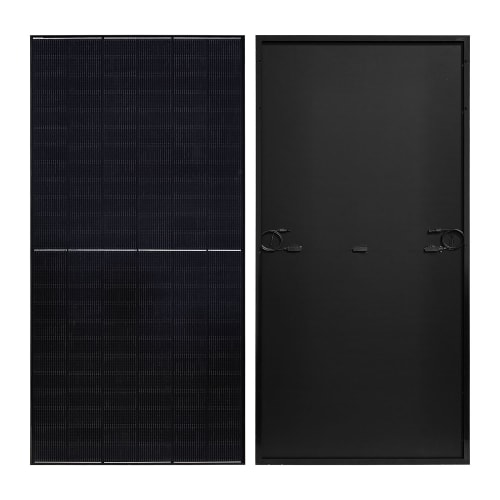
Residential solar panels convert sunlight into electricity through a process called photovoltaic conversion. The main components include:
- Solar Panels – capture sunlight and convert it into direct current (DC) electricity.
- Inverters – convert DC electricity into alternating current (AC) for home use.
- Batteries (Optional) – store excess energy for use when sunlight is insufficient.
Unlike commercial solar panels, residential panels are designed to fit rooftops efficiently, optimize energy output in smaller spaces, and integrate seamlessly with home electrical systems. Many homeowners also choose panels with battery storage to maximize energy independence.
Top Benefits of Installing Residential Solar Panels
Investing in residential solar panels offers numerous benefits:
- Reduced Electricity Bills: Generate your own electricity and reduce dependency on the grid.
- Increase Home Value: Homes with solar panels sell at higher prices.
- Environmental Impact: Solar energy reduces carbon emissions, promoting sustainability.
- Energy Independence: Protect against rising utility costs and power outages.
Residential solar panels also offer long-term cost savings, especially when paired with incentives and tax credits.
Types of Residential Solar Panels
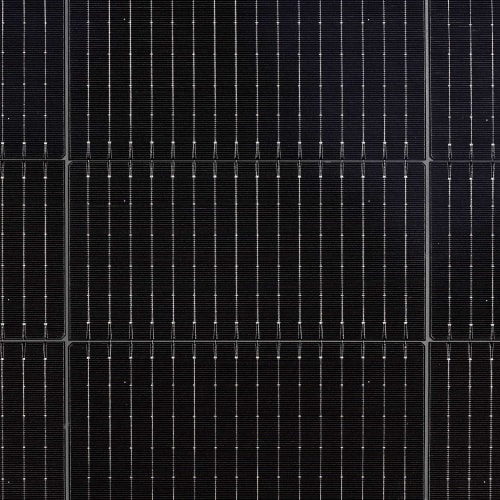
Choosing the right type of residential solar panel depends on efficiency, budget, and aesthetics. The main types include:
- Monocrystalline Solar Panels: High efficiency and long lifespan, ideal for limited roof space.
- Polycrystalline Solar Panels: More affordable, slightly lower efficiency, suitable for larger roof areas.
- Thin-Film Solar Panels: Flexible and lightweight, can be integrated into unique structures.
- Residential Solar Panels with Battery Storage: Store excess energy for nighttime use or emergency backup.
Each type comes with specific advantages, and selecting the right panel ensures optimal energy production and cost savings.
Residential Solar Panels Installation Process
Installing residential solar panels involves several steps:
- Site Assessment: Evaluating your roof, shading, and energy needs.
- System Design: Determining the number of panels and type of inverter.
- Permits and Approvals: Compliance with local building codes and utility requirements.
- Installation: Mounting panels, wiring, and connecting the inverter.
- Inspection and Activation: Ensuring the system works efficiently and safely.
Choosing a qualified installer is critical for a safe, efficient, and long-lasting solar system. Avoid shortcuts—poor installation can reduce panel efficiency and lifespan.
Residential Solar Panels Cost and ROI
Understanding the cost and return on investment (ROI) is crucial for homeowners. The table below compares average costs and potential savings for residential solar panels:
| Type of Solar Panel | Average Cost per Watt | Average System Size | Estimated Savings per Year | Payback Period |
|---|---|---|---|---|
| Monocrystalline | $2.50 – $3.50 | 6 kW | $900 – $1,200 | 6-8 years |
| Polycrystalline | $2.00 – $3.00 | 6 kW | $800 – $1,100 | 7-9 years |
| Thin-Film | $1.50 – $2.50 | 6 kW | $700 – $1,000 | 8-10 years |
Financing options, government incentives, and tax credits can further reduce upfront costs and shorten the payback period. High-efficiency residential solar panels may cost more initially but offer greater long-term savings.
Maintenance Tips for Residential Solar Panels
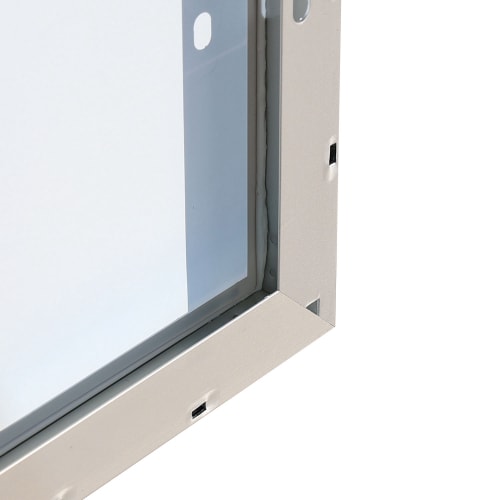
Proper maintenance ensures maximum efficiency and longevity:
- Cleaning: Remove dust, leaves, and debris to optimize sunlight capture.
- Inspection: Check for damaged panels, loose connections, or inverter issues.
- Performance Monitoring: Many systems provide real-time monitoring via apps.
- Professional Servicing: Schedule routine checks with certified installers.
Residential solar panels are designed for durability, often lasting 25 years or more, but simple maintenance can prevent performance loss.
Choosing the Best Residential Solar Panels for Your Home
When selecting residential solar panels, consider:
- Efficiency: Higher efficiency panels generate more power in less space.
- Durability and Warranty: Look for panels with long-term warranties (20-25 years).
- Brand Reputation: Trusted brands such as Tesla, SunPower, and LG offer reliability.
- Energy Needs: Calculate your average household energy consumption and size the system accordingly.
Balancing cost, efficiency, and longevity ensures that your investment provides the best return.
Residential Solar Panels Incentives and Local Considerations
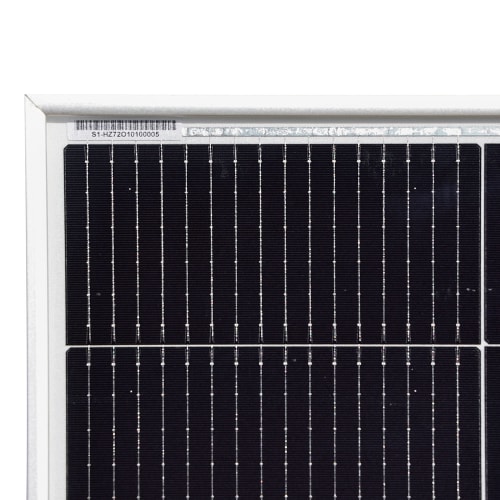
Homeowners can take advantage of:
- Federal and State Tax Incentives: Reduce upfront costs and improve ROI.
- Local Rebates and Utility Programs: Some states offer cash rebates for solar installation.
- Climate Considerations: Solar panels are effective even in less sunny areas but will vary in output.
- Professional Local Installers: Ensure proper permits and compliance with regulations.
These incentives make residential solar panels an even smarter investment.
Conclusion
Investing in residential solar panels is a strategic choice for homeowners who want to save on electricity bills, increase property value, and contribute to a sustainable future. By choosing high-quality residential solar panels from a trusted manufacturer, understanding installation processes, evaluating costs, and taking advantage of incentives, homeowners can maximize their energy efficiency and long-term savings.
As a manufacturer, we prioritize efficiency, durability, and cost-effectiveness in every residential solar panel we produce. If you’re considering solar energy for your home, now is the perfect time to make the switch and harness the power of the sun.
FAQ
Q1: What is the lifespan of residential solar panels?
A: Typically 25–30 years, with gradual efficiency reduction over time.
Q2: Can I install residential solar panels myself?
A: DIY installation is possible but not recommended. Professional installers ensure safety, compliance, and optimal performance.
Q3: Do residential solar panels work in cloudy weather?
A: Yes, they still generate electricity, though output is lower.
Q4: How much can I save with residential solar panels?
A: Savings vary depending on system size, energy consumption, and local incentives, typically $700–$1,200 per year for a 6 kW system.
Q5: Are there maintenance costs for residential solar panels?
A: Minimal. Routine cleaning and occasional inspections are usually sufficient.
