
NOTÍCIAS
Solar panel kits have revolutionized how homeowners, RV owners, and outdoor enthusiasts access clean, renewable energy. As a leading solar panel kits manufacturer, we’ve witnessed firsthand how the right solar panel kit can transform energy independence from a dream into reality. This comprehensive guide will walk you through everything you need to know to select the perfect solar panel kit for your specific needs, whether you’re powering a remote cabin, outfitting an RV, or reducing your home’s dependence on the grid.
Índice
O que são Kits de painéis solares E como eles funcionam?
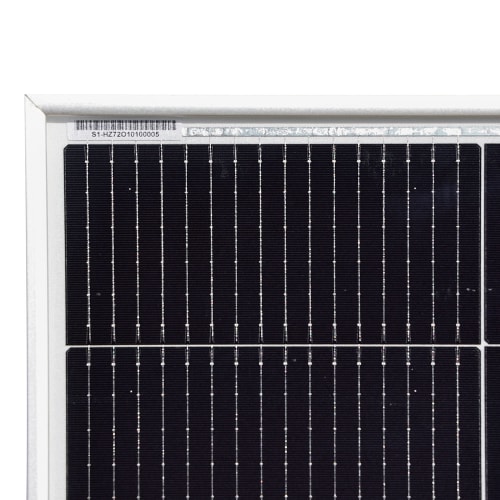
Solar panel kits are complete, pre-configured packages that include all the essential components needed to harness solar energy and convert it into usable electricity. Unlike buying individual components separately, solar panel kits are designed to work together seamlessly, taking the guesswork out of system compatibility and sizing.
Key Components in Solar Panel Kits
Painéis solares
The heart of any solar panel kit, these photovoltaic modules capture sunlight and convert it into DC electricity. Modern solar panels typically use monocrystalline technology, offering efficiency ratings between 20-24%. When evaluating solar panels for your kit, look for panels with IEC 61215 certification, which ensures they meet rigorous performance and durability standards.
Inversor
This crucial component converts the DC electricity produced by your solar panels into AC electricity that your home’s appliances can use. Solar panel kits may include string inverters, microinverters, or hybrid inverters depending on the system type. Hybrid inverters are particularly valuable as they can manage both solar panels and battery storage systems.
Battery Storage Systems
For off-grid and backup power applications, batteries store excess energy generated during the day for use when the sun isn’t shining. Lithium iron phosphate (LiFePO4) batteries have become the industry standard due to their safety, longevity (typically 10+ years), and depth of discharge capabilities.
Mounting Hardware and Cables
Complete solar panel kits include all necessary mounting brackets, rails, and hardware for installation, plus appropriately sized cables and connectors to ensure safe and efficient electrical connections.
How Solar Panel Kits Generate and Store Energy
The process begins when sunlight strikes the solar panels, causing electrons to move within the photovoltaic cells, creating DC electricity. This electricity flows through cables to the inverter, which converts it to AC power for immediate use. Any excess energy can either be stored in batteries or, in grid-tied systems, fed back into the electrical grid for credits through net metering programs.
Differences Between Complete Solar Panel Kits and Individual Components
While buying components separately might seem cheaper initially, complete solar panel kits offer several advantages:
- Guaranteed Compatibility: All components are designed to work together optimally
- Simplified Sizing: Manufacturers have already calculated the proper balance between panel output, inverter capacity, and battery storage
- Suporte Técnico: Complete kits typically come with comprehensive installation guides and customer support
- Warranty Coverage: Integrated systems often have streamlined warranty processes
- Time Savings: Eliminates hours of research into component compatibility
Types of Solar Panel Kits Available in the Market
Understanding the different types of solar panel kits available will help you choose the right system for your specific application and energy goals.
Off-Grid Solar Panel Kits
Off-grid solar panel kits are designed for locations without access to utility power or for those seeking complete energy independence. These systems typically include larger battery banks to ensure power availability during cloudy days and at night. Off-grid solar panel kits are ideal for:
- Remote cabins and vacation homes
- Agricultural applications
- Emergency backup systems
- Locations where grid connection costs are prohibitive
When selecting off-grid solar panel kits, careful load calculation is essential to ensure your system can meet your energy demands year-round.
Grid-Tied Solar Panel Kits
Grid-tied systems connect directly to the electrical grid, allowing you to use grid power when solar production is insufficient and sell excess power back to the utility company through net metering. These solar panel kits are typically more cost-effective since they require smaller battery banks or no batteries at all. Grid-tied solar panel kits are perfect for:
- Residential homes looking to reduce electricity bills
- Commercial buildings with consistent daytime energy usage
- Urban installations where space is at a premium
The main advantage of grid-tied solar panel kits is their simplicity and lower initial cost, though they don’t provide backup power during grid outages unless paired with battery storage.
Hybrid Solar Panel Kits with Battery Backup
Hybrid solar panel kits combine the best of both worlds, offering grid connection with battery storage for backup power. These intelligent systems can automatically switch between solar power, battery storage, and grid power based on real-time conditions and electricity rates. Hybrid solar panel kits are ideal for:
- Areas with unreliable grid power
- Homes wanting backup capability without going fully off-grid
- Taking advantage of time-of-use electricity rates
- Maximizing self-consumption of solar energy
Hybrid solar panel kits represent the fastest-growing segment of the market as battery costs continue to decline and homeowners seek greater energy resilience.
Portable Solar Panel Kits for Outdoor Use
Designed for mobility and convenience, portable solar panel kits are lightweight, foldable systems perfect for RVs, camping, marine applications, and emergency power. These typically range from 100W to 400W and feature:
- Lightweight, flexible solar panels
- Integrated charge controllers
- Portable battery packs
- Multiple output options (USB, 12V, AC)
Portable solar panel kits have seen explosive growth, with the market expected to reach $4.37 billion by 2032, driven by increasing RV ownership and outdoor recreation activities.
How to Determine the Right Size Solar Panel Kits
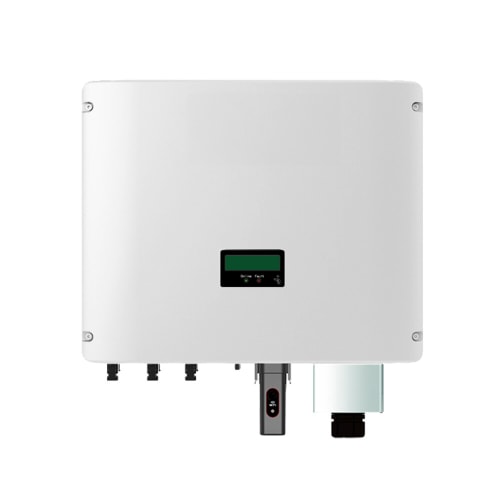
Selecting the properly sized painel solar kit is crucial for system performance and cost-effectiveness. An undersized system won’t meet your energy needs, while an oversized system represents unnecessary investment.
Calculating Your Daily Energy Consumption
Start by reviewing your electricity bills to understand your average daily usage in kilowatt-hours (kWh). For off-grid applications or new construction, you’ll need to calculate consumption by listing all electrical devices you plan to power, their wattage, and daily usage hours.
Example calculation:
- LED lights: 10W × 6 hours = 60Wh
- Refrigerator: 150W × 8 hours = 1,200Wh
- Laptop: 65W × 4 hours = 260Wh
- Phone charging: 5W × 2 hours = 10Wh
- Total daily consumption: 1,530Wh or 1.53kWh
Once you have your daily consumption, add a 20-30% buffer to account for system losses and future expansion needs.
Matching Energy Needs with System Capacity
Solar panel kits are typically categorized by their total solar array capacity. Here’s a general guideline for matching system size to energy needs:
| Tamanho do sistema | Daily Production (approx.) | Suitable For |
|---|---|---|
| 1000W | 4-5 kWh | Small cabins, RVs, minimal off-grid needs |
| 2000W | 8-10 kWh | Small homes, efficient cabins, backup power |
| 3000W | 12-15 kWh | Average 2-3 bedroom home |
| 5000W | 20-25 kWh | Larger homes, higher consumption |
Note: Actual production varies based on location, orientation, and weather conditions
Solar Panel Kits for Home vs RV vs Cabin Applications
Different applications require different considerations:
Casas residenciais: Prioritize grid-tied or hybrid solar panel kits with sufficient capacity to offset 80-100% of electricity consumption. Roof-mounted systems are most common, but ground-mount options work well for properties with limited roof space or less-than-ideal orientation.
RV Applications: Focus on portable solar panel kits with flexible mounting options. System size typically ranges from 200W to 800W depending on the RV size and intended usage. Consider roof-mounted panels for permanent installations combined with portable panels for flexible positioning.
Cabin Applications: Determine whether you need weekend-only or full-time power capabilities. Off-grid solar panel kits with robust battery storage are essential for remote cabins. Consider incorporating a backup generator for extended cloudy periods in particularly challenging climates.
Future Expansion Considerations
When selecting solar panel kits, consider your potential future energy needs:
- Are you planning to add electric vehicles?
- Will you be expanding your living space?
- Do you anticipate adding more energy-intensive appliances?
Choose solar panel kits with expandable designs and inverters that can handle increased capacity. Many modern systems allow for easy addition of panels and batteries as your needs grow.
Key Factors to Consider When Choosing Solar Panel Kits
Beyond system size, several critical factors should influence your solar panel kit selection.
Efficiency and Performance of Solar Panels
Solar panel efficiency measures how effectively panels convert sunlight into electricity. Today’s top-tier panels achieve 22-24% efficiency, while budget options typically range from 18-20%. Higher efficiency painéis solares offer:
- More power generation in limited space
- Better performance in low-light conditions
- Improved temperature coefficients (less performance loss in hot weather)
However, efficiency isn’t everything. Consider your available space and budget constraints. For installations with ample roof or ground space, slightly lower efficiency panels might offer better value per watt.
Battery Capacity and Lifespan
For off-grid and hybrid solar panel kits, battery selection is critical. Key considerations include:
- Capacidade: Measured in kilowatt-hours (kWh), this determines how much energy can be stored
- Depth of Discharge (DoD) : The percentage of battery capacity that can be safely used. LiFePO4 batteries typically offer 80-90% DoD
- Cycle Life: How many charge/discharge cycles the battery can handle before capacity degrades significantly
- Garantia: Look for batteries with 10+ year warranties
A properly sized battery bank should provide 1-3 days of autonomy without solar input, depending on your location’s weather patterns and your tolerance for power interruptions.
Inverter Type and Compatibility
The inverter is arguably the most critical component in solar panel kits after the panels themselves. Consider:
- Pure Sine Wave vs. Modified Sine Wave: Pure sine wave inverters produce cleaner power suitable for sensitive electronics
- Continuous vs. Surge Rating: Ensure the inverter can handle both running loads and startup surges
- Eficiência: Look for inverters with 95%+ efficiency ratings
- Capacidades de monitoramento: Modern inverters often include WiFi or cellular monitoring for real-time performance tracking
Durabilidade e resistência às intempéries
Given that solar panels are outdoor installations exposed to the elements for decades, durability is paramount. Look for:
- Frame Quality: Anodized aluminum frames resist corrosion
- Glass Type: Tempered glass withstands hail and impacts
- Classificação IP: For outdoor components, IP65 or higher ratings ensure dust and water resistance
- Temperature Range: Components should operate reliably in your climate’s temperature extremes
Quality solar panel kits are designed to withstand 25+ years of environmental exposure with minimal degradation.
Facilidade de instalação e manutenção
For DIY installations, consider:
- Pre-wired Connections: Reduce installation complexity
- Clear Documentation: Comprehensive manuals and installation guides
- Sistema de montagem: Railed vs. rail-less mounting options
- Peso: Lighter panels are easier to handle, especially for roof installations
Regular maintenance typically includes panel cleaning, visual inspections, and monitoring system performance. Quality solar panel kits require minimal maintenance beyond these basic tasks.
Solar Panel Kits for Different Applications
Different use cases require specialized approaches to solar panel kit selection and design.
Solar Panel Kits for Residential Homes
Homeowners typically choose between grid-tied and hybrid solar panel kits. Key considerations include:
- Roof Characteristics: South-facing roofs with 30-45° pitch are ideal, but east/west orientations can still produce 85-90% of optimal output
- Local Utility Policies: Net metering regulations and interconnection requirements vary significantly
- HOA Restrictions: Some communities have specific requirements for solar installations
- Permitting Requirements: Most jurisdictions require permits for residential solar installations
Residential solar panel kits typically range from 3kW to 10kW, with the average U.S. home installation around 6.5kW.
Solar Panel Kits for RV and Camping
RV solar installations require specialized considerations:
- Weight and Aerodynamics: Every pound affects fuel efficiency
- Espaço no telhado: Limited real estate requires efficient panels
- Compatibilidade da bateria: Must work with existing RV electrical systems
- Portable Options: Flexible deployment for varying conditions
Most RV solar panel kits range from 200W to 800W, with battery banks sized for 1-3 days of boondocking capability.
Solar Panel Kits for Cabins and Off-Grid Living
Remote cabins present unique challenges:
- Sizing Accuracy: No grid backup means the system must meet all needs
- Seasonal Variation: Winter production can be 40-60% lower than summer
- Load Management: Off-grid living often requires energy consciousness
- Backup Systems: Generators or alternative power sources for emergencies
Cabin solar panel kits typically include larger battery banks and may incorporate wind or hydro power for hybrid renewable systems.
Solar Panel Kits for Emergency Backup Power
For disaster preparedness, consider:
- Automatic Transfer Switches: Seamless switching between grid and battery power
- Critical Load Coverage: Size systems to power essential appliances (refrigerator, medical equipment, communication devices)
- Fuel Independence: Unlike generators, solar panels don’t require fuel resupply
- Escalabilidade: Systems can expand as budget allows
Emergency solar panel kits often prioritize battery capacity over solar array size, focusing on short-term backup capabilities rather than long-term energy independence.
Cost Breakdown and ROI of Solar Panel Kits
Understanding the financial aspects helps make informed investment decisions.
Average Price of Solar Panel Kits by Capacity
Current market pricing for complete painel solar kits (including panels, inverter, racking, and basic installation components) approximately:
| Tamanho do sistema | Kit Cost Range | Cost Per Watt |
|---|---|---|
| 1kW | $1,500 – $2,500 | $1.50 – $2.50 |
| 3kW | $4,500 – $7,000 | $1.50 – $2.33 |
| 5kW | $7,000 – $11,000 | $1.40 – $2.20 |
| 10kW | $13,000 – $20,000 | $1.30 – $2.00 |
Note: Prices vary based on component quality, battery inclusion, and manufacturer
Factors That Affect Solar Panel Kits Cost
Several variables influence final pricing:
- Panel Efficiency and Brand: Premium panels command higher prices
- Tipo de inversor: Hybrid inverters cost more than standard string inverters
- Capacidade da bateria: Larger battery banks significantly increase costs
- Mounting System Complexity: Complex roof designs require more expensive racking
- Installation Labor: Professional installation typically adds $0.50-$1.00 per watt
- Permitting and Inspection: Varies by jurisdiction but typically $500-$2,000
Poupança de longo prazo e retorno do investimento
Solar panel kits typically deliver 10-20% annual returns, outperforming many traditional investments. Key factors influencing ROI include:
- Electricity Rates: Higher local rates mean greater savings
- Solar Resource: Areas with more sunshine generate more electricity
- System Performance: Efficient components and proper installation maximize output
- Financing Terms: Cash purchases offer the best ROI, though financing options can make solar accessible with lower upfront costs
The average U.S. homeowner sees payback periods of 6-12 years, with systems producing free electricity for the remaining 15+ years of their 25+ year lifespan.
Government Incentives and Tax Credits
Various incentives can significantly reduce solar panel kit costs:
- Federal Investment Tax Credit (ITC) : 30% of system costs through 2025
- State and Local Rebates: Many states offer additional incentives
- Medição Líquida: Credits for excess electricity fed to the grid
- Property Tax Exemptions: Some states exclude solar systems from property tax assessments
Research all available incentives in your area, as they can reduce net system costs by 30-50% in some locations.
Installation Options: DIY vs Professional Setup
Deciding between DIY and professional installation affects cost, timeline, and system performance.
Benefits of DIY Solar Panel Kits Installation
DIY installation offers several advantages:
- Economia de custos: Labor typically represents 15-25% of total installation costs
- Educational Value: Hands-on experience with your energy system
- Scheduling Flexibility: Work at your own pace
- Satisfaction: Personal accomplishment of building your energy system
Many homeowners successfully install smaller off-grid systems or ground-mounted arrays themselves, especially with the comprehensive guides included with quality solar panel kits.
When to Choose Professional Installation
Professional installation is recommended for:
- Grid-tied Systems: Required utility interconnections and permit compliance
- Complex Roof Designs: Steep pitches or difficult access
- Large Systems: 10kW+ installations benefit from professional expertise
- Warranty Preservation: Some warranties require professional installation
Professional installers bring experience, specialized tools, and knowledge of local building codes that can save time and ensure optimal system performance.
Erros comuns de instalação a evitar
Whether DIY or professionally installed, watch for:
- Improper Orientation: Panels should face south (northern hemisphere) at appropriate tilt angles
- Undersized Wiring: Causes efficiency losses and potential fire hazards
- Inadequate Ventilation: Panels need airflow to maintain efficiency
- Poor Mounting: Inadequate structural attachment can lead to failures
- Electrical Code Violations: Safety hazards and potential permit issues
Quality solar panel kits include detailed installation guides to help avoid these common pitfalls.
Safety Considerations During Installation
Solar installations involve significant electrical hazards:
- DC Voltage: Solar arrays can produce dangerous voltages even in low light
- Fall Hazards: Roof work requires proper safety equipment
- Electrical Code Compliance: Improper installation creates fire and shock risks
- Permit Requirements: Work without proper permits can lead to fines and forced removal
Always prioritize safety, whether installing yourself or overseeing professional installers.
Choosing a Reliable Solar Panel Kits Manufacturer
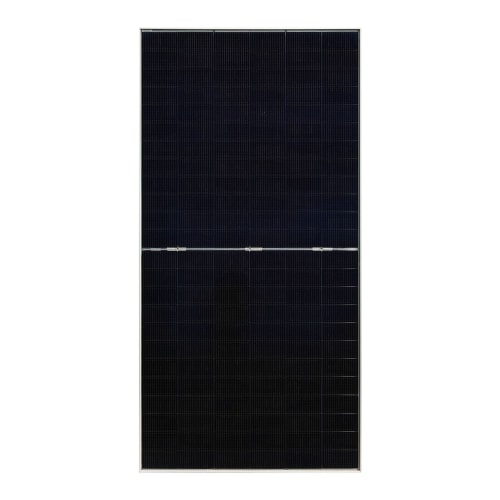
The manufacturer behind your painel solar kit significantly impacts long-term satisfaction and system performance.
Why Manufacturer Experience Matters
Experienced manufacturers bring:
- Proven Track Records: Decades of industry experience and system reliability
- R&D Investment: Continuous improvement in technology and efficiency
- Quality Control: Rigorous testing and manufacturing standards
- Support Infrastructure: Technical assistance and warranty support
Look for manufacturers with 10+ years of industry experience and a reputation for quality and customer service.
OEM and Custom Solar Panel Kits Solutions
Many solar panel kit manufacturers offer:
- OEM Solutions: White-label products for distributors and installers
- Custom Configurations: Systems tailored to specific applications or climates
- Private Label Programs: Branding opportunities for resellers
- Volume Discounts: Reduced pricing for bulk purchases
These options allow businesses to offer unique solar solutions while leveraging established manufacturing expertise.
Quality Certifications and Industry Standards
Ensure your solar panel kit components carry appropriate certifications:
- IEC 61215: Performance and durability testing for crystalline silicon modules
- IEC 61730: Safety requirements for PV modules
- UL 1703: Safety standard for flat-plate photovoltaic modules
- CE Marking: European compliance certification
These certifications ensure your solar panel kits meet rigorous international standards for safety and performance.
Benefits of Buying Solar Panel Kits Directly from Manufacturers
Purchasing directly from manufacturers offers several advantages:
- Lower Costs: Eliminates distributor markups
- Suporte Técnico: Direct access to manufacturer expertise
- Warranty Service: Streamlined claims and replacement processes
- Opções Personalização: Ability to modify standard configurations
- Latest Technology: First access to new products and improvements
As a manufacturer, we provide comprehensive support from design through installation, ensuring your solar panel kit meets your specific needs.
Wholesale Solar Panel Kits for Distributors and Contractors
For businesses, wholesale programs offer:
- Volume Pricing: Reduced costs for bulk purchases
- Drop Shipping: Direct delivery to customer sites
- Marketing Support: Co-branded materials and technical documentation
- Training Programs: Installation and sales training for teams
- Lead Generation: Customer referral programs
These partnerships help businesses grow while expanding access to quality solar solutions.
Maintenance Tips to Maximize Solar Panel Kits Performance
Proper maintenance ensures your solar panel kits deliver optimal performance for decades.
Regular Cleaning and Inspection
- Panel Cleaning: Remove dirt, dust, and debris to maintain efficiency
- Visual Inspections: Check for damage, loose connections, or vegetation growth
- Performance Monitoring: Track energy production to identify issues early
- Electrical Connections: Ensure all wiring remains secure and weatherproof
Most solar panel kits require minimal maintenance beyond occasional cleaning and visual inspections.
Monitoring System Performance
Modern painel solar kits often include monitoring capabilities:
- Real-time Data: Track energy production and consumption
- Performance Alerts: Notifications for underperformance or issues
- Historical Analysis: Compare production across time periods
- Remote Access: Monitor systems from anywhere via smartphone apps
Regular monitoring helps identify performance issues before they become significant problems.
Battery Maintenance and Replacement
For systems with battery storage:
- Regular Cycling: Avoid keeping batteries at 100% or 0% charge for extended periods
- Temperature Management: Batteries perform best in moderate temperatures
- Capacity Testing: Periodically test actual battery capacity vs. rated capacity
- Replacement Planning: Budget for battery replacement after 10-15 years
Proper battery maintenance significantly extends system life and maintains backup capabilities.
Solução de problemas comuns
Be prepared to address:
- Reduced Output: Often caused by shading, dirt, or component failure
- Inverter Errors: Check error codes and consult manufacturer documentation
- Battery Issues: Monitor capacity and performance degradation
- Connection Problems: Inspect wiring and terminals for corrosion or looseness
Quality solar panel kits include comprehensive troubleshooting guides to help resolve common issues.
Common Mistakes to Avoid When Buying Solar Panel Kits
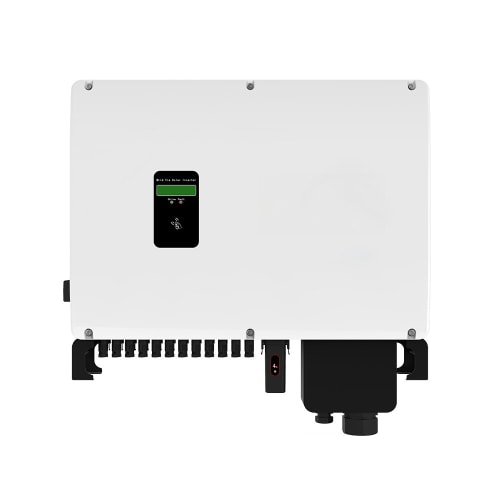
Learning from others’ mistakes can save time, money, and frustration.
Choosing the Wrong System Size
Undersized systems fail to meet energy needs, while oversized systems represent wasted investment. Carefully calculate your energy consumption and future needs before selecting solar panel kits.
Ignoring Battery Compatibility
For off-grid and hybrid systems, ensure batteries match inverter specifications and capacity requirements. Mismatched components lead to poor performance and reduced lifespan.
Focusing Only on Price Over Quality
The cheapest painel solar kits often use lower-quality components with shorter lifespans and poor performance. Quality components deliver better long-term value despite higher initial costs.
Not Considering Installation Conditions
Roof orientation, shading, and local climate significantly impact system performance. Assess your installation site thoroughly before selecting solar panel kits.
Overlooking After-Sales Support
Quality manufacturers provide ongoing technical support and warranty service. Consider the level of support offered when choosing between solar panel kits.
Conclusão
Choosing the right solar panel kits requires a clear understanding of your energy needs, application scenarios, and long-term goals. From selecting the appropriate system size to evaluating efficiency, battery capacity, and installation methods, each factor plays a crucial role in overall performance and return on investment.
Working directly with an experienced painel solar kits manufacturer can help ensure product quality, customization flexibility, and cost efficiency—especially for bulk purchases or specialized applications. By carefully comparing different solar panel kits and considering both current and future energy demands, you can build a reliable and sustainable power solution that delivers long-term value.
The solar industry continues to evolve rapidly, with efficiency improvements, battery cost reductions, and smart technology integration making solar panel kits more accessible and valuable than ever. Whether you’re seeking energy independence, cost savings, or environmental benefits, today’s solar panel kits offer solutions for virtually every application and budget.
Take the time to evaluate your needs carefully, research available options thoroughly, and choose quality solar panel kits from reputable manufacturers. With proper selection, installation, and maintenance, your solar investment will provide clean, reliable energy for decades to come.
Ready to explore solar panel kits for your specific needs? Contact our team of solar experts for personalized recommendations and support in finding the perfect system for your application.
Perguntas frequentes
Q: What’s included in a typical solar panel kit?
A: A complete solar panel kit includes solar panels, inverter, mounting hardware, cables, and connectors. Many kits also include batteries for off-grid or hybrid systems. Everything is pre-configured to work together seamlessly, eliminating compatibility concerns.
Q: How much can I save with solar panel kits?
A: Most homeowners save $1,000-$3,000 annually on electricity bills, with payback periods typically 6-12 years. Over a 25-year system lifespan, total savings often reach $25,000-$50,000 depending on your location and electricity rates.
Q: Can I install painel solar kits myself?
A: Yes! DIY installation is common for off-grid and portable systems. Grid-tied residential installations may require professional help due to permitting and utility interconnection requirements. Many kits include comprehensive installation guides.
Q: What size solar panel kit do I need for my home?
A: An average 2,000 sq ft home typically requires a 5-7 kW solar panel kit. Calculate your daily energy usage from electricity bills, then add 20-30% buffer for system losses and future needs. A 6 kW system typically generates 24-30 kWh daily.
Q: How long do solar panel kits last?
A: Solar panels typically last 25-30 years with minimal performance degradation. Inverters usually need replacement after 10-15 years, while batteries in off-grid systems last 8-12 years. Quality kits from reputable manufacturers include comprehensive warranties covering these components.
