
NOTÍCIAS
Índice
Quando se trata de energia solar, a eficiência é um dos fatores mais importantes a considerar especialmente para proprietários de casas, empresas e desenvolvedores de projetos que desejam obter mais energia a partir de um espaço limitado no telhado Como fabricante de painéis solares de alta eficiência, vimos como a escolha certa pode melhorar significativamente o desempenho do sistema, reduzir os custos de instalação e oferecer melhor retorno sobre o investimento ao longo do tempo Este guia explica o que os painéis solares mais eficientes do “ realmente significam, como a eficiência é medida e o que procurar ao selecionar painéis para suas necessidades específicas.
O que é mais eficiente Painéis solares” Realmente significa
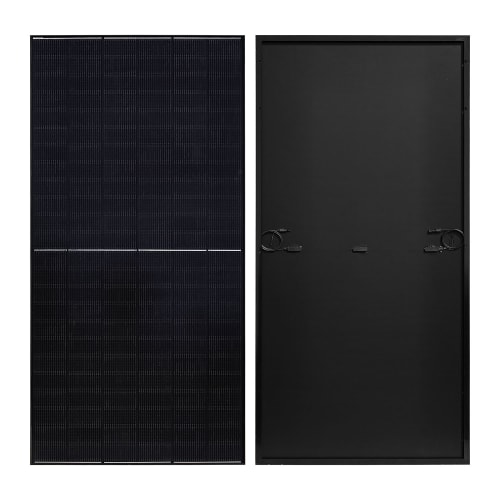
A eficiência do painel solar refere-se à quantidade de luz solar que um painel pode converter em eletricidade utilizável Maior eficiência significa mais geração de energia por pé quadrado, o que é especialmente importante quando o espaço do telhado é limitado ou quando se deseja maximizar a produção de energia de uma determinada área de instalação.
A eficiência não é o mesmo que a potência Um painel pode ter uma classificação de watt alta, mas menor eficiência se for maior em tamanho Por outro lado, um painel menor com maior eficiência pode produzir saída de energia semelhante, ocupando menos espaço.
Em termos práticos, os painéis solares mais eficientes são aqueles que usam tecnologia avançada de células, materiais de alta qualidade e processos de fabricação otimizados para alcançar taxas de conversão de energia mais altas Como fabricante, nos concentramos em fornecer desempenho consistente e saída confiável em todos os painéis, garantindo que os clientes obtenham o melhor valor ao longo da vida útil do sistema.
Como a eficiência do painel solar é medida
A eficiência do painel solar é medida como uma porcentagem e normalmente testada sob Condições Padrão de Teste (STC), que incluem uma temperatura definida (25 °C), intensidade da luz solar (1000 W/m²) e massa de ar (AM 1.5).Essas condições controladas ajudam a padronizar comparações de desempenho em diferentes produtos.
No entanto, o desempenho do mundo real pode diferir devido a fatores ambientais, como temperatura, sombreamento do ângulo de instalação É por isso que é importante olhar tanto para a classificação de eficiência quanto para o indicador de temperatura do painel de quão bem o painel tem desempenho sob altas temperaturas.
Um painel de alta eficiência com um baixo coeficiente de temperatura manterá uma melhor saída durante o tempo quente, tornando-o mais adequado para regiões com luz solar forte e altas temperaturas.
Fatores-chave que afetam a eficiência do painel solar
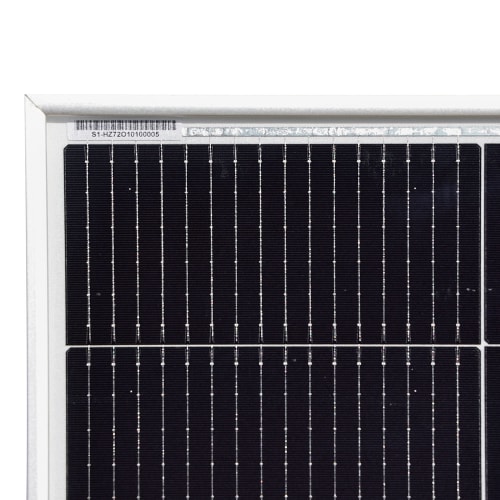
Tipo e tecnologia de célula
Os painéis solares mais eficientes normalmente usam células monocristalinas, que têm silício de maior pureza e melhor conversão de energia em comparação com células policristalinas Avanços recentes, como PERC (Passivated Emitter Rear Cell), TOPCon (Tunnel Oxide Passivated Contact) e tecnologias de células de heterojunção (HJT) melhoram ainda mais a eficiência, reduzindo a perda de energia e melhorando a absorção de luz.
Coeficiente de temperatura
Painéis solares têm melhor desempenho em temperaturas mais frias Quando a temperatura sobe, a saída diminui O coeficiente de temperatura mostra quanto o desempenho cai por grau Celsius aumenta Os painéis de alta eficiência geralmente têm melhores coeficientes de temperatura, garantindo uma saída mais estável em climas quentes.
Qualidade e Consistência de Fabricação
Um fator importante que separa os painéis solares premium dos padrão é o processo de fabricação Os painéis produzidos com rigoroso controle de qualidade, materiais consistentes e montagem precisa oferecem melhor desempenho e maior vida útil Como fabricante, mantemos rigorosos padrões de qualidade para garantir que cada painel atenda às expectativas de eficiência e confiabilidade de nossos clientes.
Principais tecnologias por trás dos painéis solares mais eficientes
Tecnologia Monocristalina e PERC
Os painéis monocristalinos continuam sendo a opção de alta eficiência mais amplamente reconhecida. Adicionar a tecnologia PERC melhora a eficiência ao refletir a luz não utilizada de volta à célula para uma segunda chance de conversão.
Painéis solares bifaciais
Painéis bifaciais geram eletricidade de ambos os lados, capturando a luz refletida de superfícies como telhados ou montagens no solo Isso pode aumentar a produção total de energia e melhorar o desempenho geral do sistema.
Design de célula de meio corte e multibarra
Painéis de células de meio corte reduzem a perda de energia e melhoram a tolerância à sombra O design multi-barra aumenta a condutividade, reduzindo a perda de energia e melhorando a confiabilidade.
Revestimento Anti-Reflexo e Desempenho de Baixa Luz
Painéis de alta eficiência geralmente incluem revestimentos anti-reflexo que melhoram a absorção de luz, mesmo em condições de pouca luz Isso é particularmente útil em áreas com cobertura frequente de nuvens ou variações sazonais na luz solar.
Painéis solares mais eficientes para diferentes casos de uso
Aplicações diferentes exigem diferentes soluções de painéis solares Escolher o painel certo depende de seus objetivos, espaço de instalação e necessidades de energia.
Instalações Home Rooftop
Para telhados residenciais, painéis de alta eficiência maximizam a produção de energia em espaço limitado Se você quiser reduzir as contas de eletricidade, mantendo o sistema compacto, painéis monocristalinos eficientes são uma escolha superior.
Edifícios Comerciais e Projetos de Grande Escala
Os projetos comerciais geralmente se beneficiam de painéis de alta eficiência porque reduzem a área necessária do telhado e melhoram o rendimento geral do sistema Painéis eficientes também contribuem para reduzir os custos do equilíbrio do sistema.
Sistemas fora da rede e armazenamento de bateria
Para configurações fora da rede, painéis solares eficientes emparelhados com um sistema de armazenamento de bateria podem fornecer energia consistente, mesmo em locais remotos A eficiência é mais importante em sistemas fora da rede porque cada watt conta.
RVs, barcos e aplicativos móveis
As aplicações móveis requerem painéis compactos e leves com alta eficiência Isso garante a máxima geração de energia sem adicionar peso excessivo ou volume.
Como escolher o tamanho e a potência corretos do painel solar
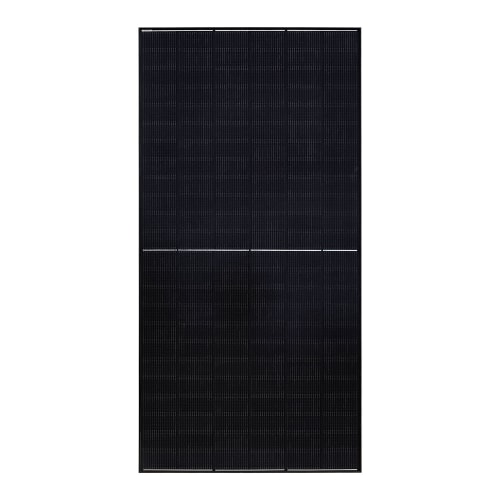
Escolher o tamanho e a potência corretos do painel envolve entender seu consumo diário de energia e espaço disponível no telhado.
- Calcule as necessidades diárias de energia
Determine quanta eletricidade sua casa ou projeto consome diariamente Isso ajuda a definir o tamanho do sistema necessário para atingir suas metas energéticas. - Considere o espaço e a orientação do telhado
Se o espaço do seu telhado for limitado, escolha painéis de maior eficiência para maximizar a produção sem comprometer o desempenho. - Combine painéis com inversores e baterias
O desempenho do sistema solar depende da compatibilidade entre painéis, inversores e armazenamento de bateria A seleção da combinação certa garante a máxima eficiência e saída estável.
Comparando o mais eficiente Painéis solares vs Painéis Padrão
É comum se perguntar se os painéis de alta eficiência valem o custo adicional Aqui estão as principais diferenças:
| Recurso | Painéis solares mais eficientes | Painéis solares padrão |
|---|---|---|
| Classificação de eficiência | 21%+ | 16% |
| Requisito Espacial | Inferior (mais potência por área) | Mais alto (mais painéis necessários) |
| Custo por Watt | Mais alto antecipadamente | Inferior |
| Desempenho em Calor | Melhor coeficiente de temperatura | Mais queda de desempenho |
| Saída de longo prazo | Degradação mais estável e mais lenta | Degradação mais rápida |
| Ideal Para | Espaço limitado, instalações premium | Projetos orçamentais, instalações de grandes áreas |
Por que comprar diretamente de um fabricante é importante
Quando você compra painéis solares diretamente de um fabricante, você se beneficia de fornecimento estável, qualidade consistente e preços diretos de fábrica Como fabricante, podemos oferecer soluções sob medida com base nos requisitos do projeto, incluindo potência personalizada, tamanho do painel e certificações.
A compra direta ao fabricante reduz os custos intermediários e garante uma programação de entrega mais confiável, especialmente importante para parcerias de grande escala.
Como maximizar sua produção solar com painéis eficientes
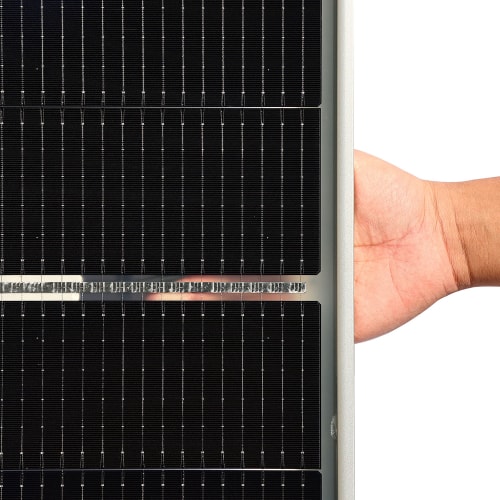
Mesmo o mais eficiente painéis solares exija instalação e manutenção adequadas para ter o melhor desempenho possível.
Ângulo e orientação de instalação adequados
A inclinação e a direção ideais do painel garantem a exposição máxima à luz solar Isso varia de acordo com a localização geográfica e o design do telhado.
Evitando sombreamento e acúmulo de calor
A sombra de árvores, chaminés ou edifícios próximos pode reduzir significativamente a produção Garantir que os painéis sejam instalados em uma área clara e bem ventilada.
Manutenção e Limpeza Regulares
Poeira, pólen e detritos podem reduzir o desempenho do painel A limpeza regular e a inspeção ajudam a manter o pico de eficiência.
Conclusão
Escolhendo o mais eficiente painéis solares é uma decisão estratégica que afeta o desempenho do sistema, custo e retorno do investimento a longo prazo Como fabricante, entendemos a importância da tecnologia avançada de células, materiais de qualidade e padrões de produção confiáveis. Ao selecionar painéis de alta eficiência e otimizar a instalação, você pode atingir a produção máxima de energia mesmo com espaço limitado no telhado.
Se você está procurando painéis solares confiáveis e de alta eficiência com suporte direto de fábrica e fornecimento estável, não hesite em nos contatar para um orçamento personalizado ou consulta técnica.
Perguntas frequentes
1. quais são os painéis solares mais eficientes disponíveis hoje?
Os painéis solares mais eficientes normalmente usam células monocristalinas com tecnologias avançadas como PERC ou TOPCon Esses painéis geralmente oferecem taxas de eficiência acima de 201TP3 T e são ideais para espaço limitado no telhado.
2. como posso saber se um painel solar é realmente eficiente?
Verifique a classificação de eficiência (porcentagem), o coeficiente de temperatura e os dados de desempenho do mundo real Os painéis de maior eficiência mantêm uma melhor produção em clima quente e têm menor degradação ao longo do tempo.
3. são de alta eficiência painéis solares vale o custo extra?
Sim, especialmente se o espaço do telhado é limitado ou você quer uma saída de potência mais alta por pé quadrado Eles podem reduzir o número de painéis necessários e melhorar o ROI a longo prazo.
4. o que afeta mais a eficiência do painel solar?
A eficiência é influenciada pelo tipo de célula (monocristalina vs policristalina), qualidade de fabricação, coeficiente de temperatura e design do painel (por exemplo, células de meio corte, multi-busbar).
5. painéis solares eficientes podem funcionar bem em condições nubladas ou com pouca luz?
Muitos painéis de alta eficiência têm melhor desempenho em condições de pouca luz devido à melhor absorção de luz e revestimentos anti-reflexo No entanto, a saída geral ainda depende da disponibilidade de luz solar e do ângulo de instalação.
