
NEWS
Welcome to My Blog!
Before we dive into the content, if you’re interested in our products or have any questions, please feel free to visit our Contact Us page on the website. Our team is ready to assist you with inquiries, orders, or any support you may need.
Now, let’s get started on our journey together. I hope you find the content here insightful, engaging, and valuable.
Table of Contents
If you are planning to source photovoltaic panels for residential, commercial, or utility-scale projects, you already know one thing: choosing the right photovoltaic panels suppliers can directly determine your project’s profitability, reliability, and long-term performance.
This is not a decision you can afford to make lightly. You are not just buying panels—you are investing in energy production that should last 25–30 years.
In this in-depth guide, you will learn how to evaluate photovoltaic panels suppliers from a photovoltaic panel–centric perspective. Instead of repeating generic advice, this article focuses on new and trending considerations shaping supplier selection in 2025 and beyond. By the end, you will have a practical framework you can apply immediately, whether you are sourcing panels for your first installation or scaling a global solar business.
Why Supplier Selection Matters More Than Ever in the Photovoltaic Panel Market
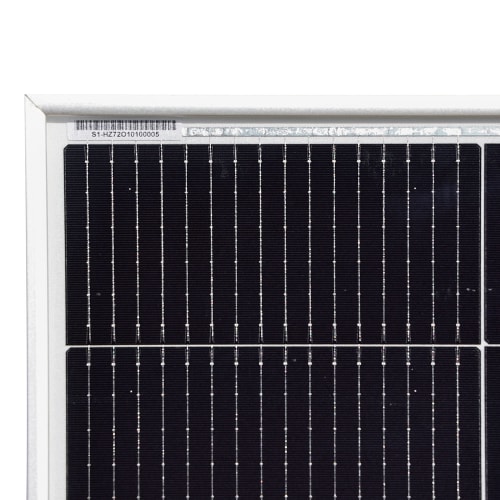
The global photovoltaic panel market has expanded rapidly over the last decade. According to data published by the International Energy Agency, solar power is now one of the fastest-growing energy sources worldwide, driven by declining costs and supportive policies (International Energy Agency – Solar Power).
However, rapid growth also brings challenges:
- Wide variations in panel quality
- Inconsistent manufacturing standards
- Supply chain disruptions
- Overstated performance claims
As a buyer, you must look beyond price and power rating. Photovoltaic panels suppliers differ greatly in how they design, test, package, and support their products.
Understanding Photovoltaic Panels from a Buyer’s Perspective
Before evaluating suppliers, it helps to revisit what actually defines a high-quality photovoltaic panel.
Core Technical Components That Matter to You
A photovoltaic panel’s performance depends on the interaction of several key elements:
| Component | Why It Matters to You |
|---|---|
| Solar cells | Determines conversion efficiency and degradation rate |
| Glass | Impacts durability, light transmission, and resistance to weather |
| Encapsulation | Protects cells from moisture and mechanical stress |
| Backsheet | Affects insulation and long-term reliability |
| Frame | Ensures mechanical stability and ease of installation |
When you assess photovoltaic panels suppliers, you should examine how each supplier controls these components, not just the final wattage rating.
For a deeper technical overview of how photovoltaic panels work, you can reference this neutral educational resource from Energy.gov:
How Solar Panels Work
Trending Topics Shaping Photovoltaic Panels Suppliers in 2025
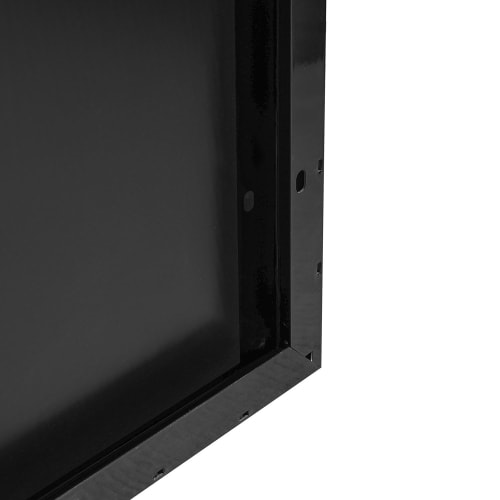
To stay competitive in search rankings and real-world decision-making, you should focus on current and emerging supplier trends rather than outdated criteria.
Long-Term Degradation Transparency
Modern photovoltaic panels typically advertise degradation rates below 0.5% per year. However, only a subset of suppliers provide clear, data-backed degradation testing results.
When you compare photovoltaic panels suppliers, ask:
- How is degradation tested?
- Are results based on accelerated aging tests?
- Is there consistency between lab data and field installations?
Suppliers who publish transparent degradation curves demonstrate confidence in their manufacturing process.
Climate-Specific Panel Design
Photovoltaic panels behave differently in hot deserts, humid coastal areas, and cold regions. A growing number of suppliers now design panels optimized for specific environmental conditions.
You should evaluate whether a supplier offers:
- Enhanced resistance to high humidity and salt mist
- Improved heat tolerance with lower temperature coefficients
- Reinforced frames for heavy snow or wind loads
The National Renewable Energy Laboratory offers climate-related performance research that helps explain these differences:
NREL – PV Performance Research
Supply Chain Stability and Traceability
Recent global events have shown that supply chain interruptions can delay photovoltaic panel delivery by months. Leading photovoltaic panels suppliers are responding by:
- Diversifying raw material sourcing
- Improving inventory forecasting
- Offering shipment traceability
From your perspective, a stable supplier reduces project delays and financial risk.
A Practical Supplier Evaluation Framework You Can Use
Instead of relying on marketing claims, you should use a structured evaluation framework when comparing photovoltaic panels suppliers.
Step 1: Define Your Project Requirements Clearly
Before contacting suppliers, document:
- Installation type (rooftop, ground-mount, floating, etc.)
- Expected annual energy yield
- Local climate conditions
- Regulatory requirements
- Budget constraints
This prevents misalignment later in the sourcing process.
Step 2: Compare Performance Metrics That Affect Real Output
Many buyers focus only on peak wattage, but real-world energy production depends on additional factors.
| Metric | Why You Should Care |
|---|---|
| Temperature coefficient | Determines output loss in hot conditions |
| Low-light performance | Impacts morning and evening generation |
| Power tolerance | Reduces underperformance risk |
| Annual degradation | Affects lifetime energy yield |
Suppliers who disclose these metrics clearly are generally more reliable partners.
Step 3: Evaluate Manufacturing and Quality Control Processes
Ask suppliers detailed questions about:
- Cell binning standards
- Electroluminescence (EL) testing frequency
- Mechanical load testing
- Incoming material inspections
If a supplier cannot explain these processes clearly, that is a red flag.
Real-World Case Study: Optimizing Supplier Choice for a Commercial PV Project
Imagine you are developing a 2 MW commercial photovoltaic installation in a region with high summer temperatures and moderate humidity.
Decision Analysis
Although Supplier C has the longest lead time, its lower temperature coefficient and degradation rate result in significantly higher lifetime energy output.
Over 25 years, this difference translates into:
- Higher total kWh production
- Improved return on investment
- Reduced risk of underperformance
This example illustrates why data-driven evaluation of photovoltaic panels suppliers often outweighs short-term convenience.
The Role of Certifications and Compliance
Certifications are not just paperwork—they protect you from technical and legal risks.
You should ensure your chosen photovoltaic panels suppliers comply with internationally recognized standards. For an overview of common photovoltaic standards, this reference from Wikipedia provides a neutral summary:
Photovoltaic System Standards
Key benefits for you include:
- Easier grid connection approval
- Reduced insurance complications
- Improved resale value of the system
Sustainability and Ethical Sourcing: A Growing Buyer Priority
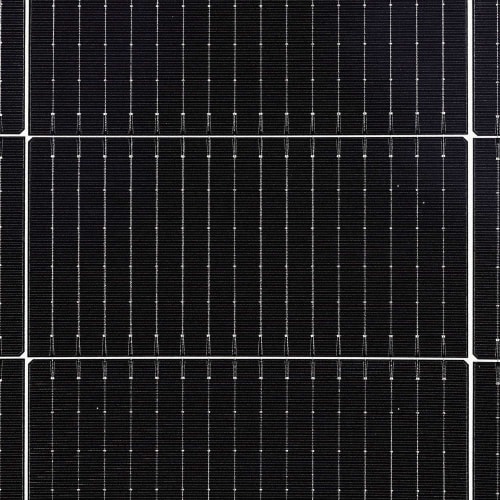
Sustainability is no longer optional. Many project developers now require photovoltaic panels suppliers to demonstrate responsible sourcing and environmental awareness.
You can evaluate sustainability by asking:
- Does the supplier track carbon footprint per panel?
- Are recycling programs available at end of life?
- Is there transparency in raw material sourcing?
The United Nations Environment Programme offers insight into solar sustainability considerations:
UNEP – Renewable Energy and Sustainability
How You Can Negotiate Better Terms with Photovoltaic Panels Suppliers
Negotiation is not only about lowering price. You can often achieve more value by focusing on:
- Extended performance guarantees
- Improved packaging to reduce breakage
- Technical documentation support
- Spare module availability
Suppliers who understand long-term partnerships are more willing to adjust terms in these areas.
Common Mistakes You Should Avoid When Choosing Suppliers
Even experienced buyers make avoidable errors. Be cautious of:
- Over-reliance on name recognition instead of data
- Ignoring logistics and customs complexity
- Failing to verify test reports
- Choosing panels without climate suitability analysis
Avoiding these mistakes protects your investment and reputation.
Future Outlook: Where Photovoltaic Panels Suppliers Are Headed
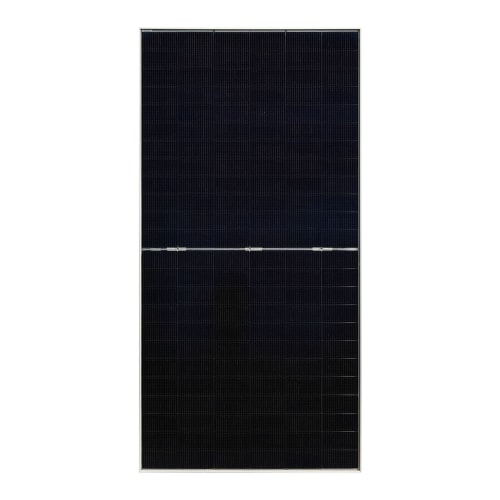
Looking ahead, you can expect suppliers to focus on:
- Higher efficiency through advanced cell structures
- Greater integration of digital monitoring
- Improved recyclability
- More region-specific product lines
Staying informed helps you choose suppliers who will remain competitive throughout your system’s lifetime.
Final Thoughts
Selecting the right photovoltaic panels suppliers is not about chasing trends—it is about making informed, data-driven decisions that protect your investment for decades. When you focus on panel performance, transparency, climate suitability, and long-term support, you position yourself for sustainable success in the solar market.
By applying the principles and frameworks outlined in this guide, you will be better equipped to evaluate suppliers confidently and build photovoltaic systems that deliver real, measurable value over time.
FAQ
How do you compare photovoltaic panels suppliers objectively?
You should compare suppliers using performance metrics, degradation rates, quality control processes, and supply chain stability rather than price alone.
Are higher-efficiency panels always the better choice?
Not necessarily. You must consider temperature behavior, degradation, and cost per lifetime kWh, not just efficiency.
How important is supplier transparency?
Extremely important. Transparent data reduces technical risk and improves long-term performance predictability.
Can photovoltaic panels from different suppliers be mixed in one project?
While possible, it is generally not recommended due to mismatched electrical characteristics and warranty complications.
How often should you re-evaluate your panel supplier strategy?
Ideally every 2–3 years, as technology, standards, and supply chains evolve rapidly.
