
NEWS
Table of Contents
Solar energy has moved beyond a fringe technology — it’s now a cornerstone of global renewable energy strategies. If you’re considering high efficient solar panels for your home, business, or community project, you’re in the right place. In this comprehensive guide, we’ll explore what makes solar panels “high efficient,” how to choose them wisely, real-world performance data, and actionable insights so you can make informed decisions that deliver long‑term value.
Why High Efficient Solar Panels Matter
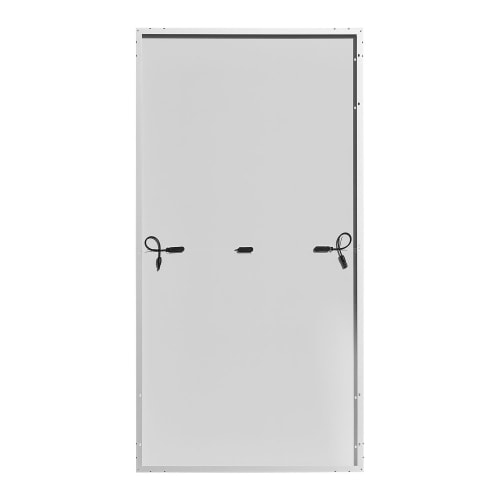
You might be wondering: Does higher efficiency really make a difference? The short answer is yes — especially if your goal is to maximize energy production in limited space or optimize your return on investment.
Efficiency Explained
Solar panel efficiency refers to the percentage of sunlight a panel can convert into usable electricity. For example:
- A 20% efficiency panel will convert 20% of solar energy into electrical power.
- A 25% efficiency panel will convert 25%, producing more power per square meter.
Higher efficiency means more power generation without needing additional roof or ground space. This is critical if you have limited installation area or want to scale up capacity without increasing your installation footprint.
How Solar Panels Work: A Quick Recap
Before we dive deeper into high efficient systems, let’s refresh your understanding of how solar panels function:
- Sunlight Hits the Panel: Photons from sunlight strike the solar cells.
- Electrons Are Excited: The photovoltaic effect causes electrons to move.
- Energy Conversion: These electrons flow through an electric field, producing direct current (DC) electricity.
- Conversion to Usable Power: An inverter turns DC into alternating current (AC) electricity for your home or grid use.
For a more detailed explanation of photovoltaic technology, check resources like the National Renewable Energy Laboratory (NREL).
🔗 Learn more about solar technology basics here:
👉 https://www.energy.gov/eere/solar/how-does-solar-work
What Defines a “High Efficient” Solar Panel?
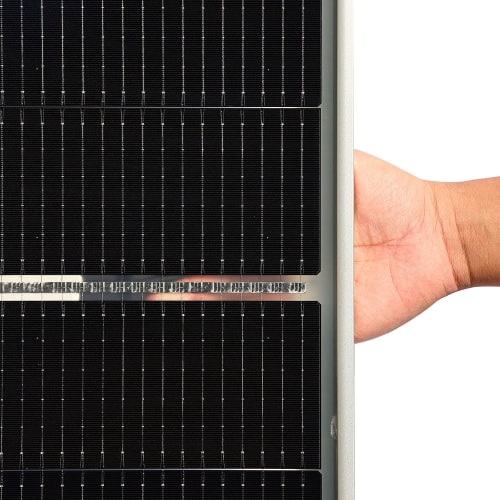
There is no single industry standard for this term, but generally, panels above 20% efficiency are considered high efficient. Some advanced technologies currently achieve efficiencies exceeding 25% under standard test conditions.
Here’s how efficiency categories often stack up:
| Efficiency Category | Typical Efficiency Range | Best Use Case |
|---|---|---|
| Standard | 15% – 18% | Large open fields |
| High Efficient | 20% – 24% | Residential / commercial rooftops |
| Ultra High Efficient | 24%+ | Space‐limited installations |
This efficiency table gives you a quick benchmark so you can compare solar panels intelligently.
Benefits of High Efficient Solar Panels
Investing in high efficient panels offers multiple advantages:
More Power in Less Space
If your roof doesn’t have much area, efficiency matters. Panels that convert more sunlight into electricity allow you to maximize output within the same footprint.
Greater Long‑Term Savings
High efficient panels often produce more electricity over their lifespan, increasing your energy yield and reducing your utility bills.
Higher Resale Value
Homes and businesses with quality solar installations typically command higher property values.
Better Performance in Real‑World Conditions
Many high efficient panels are designed to perform well under lower light and higher temperature environments, meaning you capture more energy throughout the year.
Real‑World Case Studies: See the Impact
To understand how high efficient solar panels perform in real scenarios, let’s look at real installations that demonstrate their value.
Case Study 1: Urban Rooftop – Maximizing Limited Space
Location: A mid‑sized urban home with hipped roof
Challenge: Limited south‑facing area, high energy bills
After installing a high efficiency system covering just 18 square meters, this household increased energy production by 32% compared to their previous standard panels. This meant more savings and a shorter payback period on their investment.
🔗 Curious about how shading affects performance? Explore insights from Solar Energy Industries Association:
👉 https://www.seia.org/initiatives/solar‑energy‑technologies‑office‑solar‑photovoltaics
Case Study 2: Commercial Installation with High Demand
Location: Medium‑sized business park
Objective: Reduce peak period demand charges
With limited roof space and high midday power use, this business opted for high efficient panels plus monitoring systems. Within the first year:
- Solar output increased by 28%
- Demand charges from the electric utility were cut by almost 12%
- ROI was realized two years sooner than expected
This real data shows that efficiency isn’t just a number — it directly impacts your bottom line.
Key Factors That Influence Solar Panel Efficiency
Efficiency is not just about the panel itself. Several elements influence total performance:
Temperature Coefficient
Solar panels operate less efficiently at high temperatures. High efficient models often have better temperature coefficients, meaning they lose less output on hot days.
Shading and Orientation
Even partial shade can reduce output significantly. Tools like PVWatts Calculator help you estimate performance based on location and shading patterns.
🔗 Calculate your solar potential here:
👉 https://pvwatts.nrel.gov
Inverter and System Design
Solar panels must work in concert with inverters, wiring, and mounting systems. High performance installations consider all these to ensure minimum power loss.
Aging and Degradation Rate
All solar panels degrade over time, but high quality, efficient models often have slower degradation, meaning they retain higher output over decades.
Performance Table: Comparing Standard vs. High Efficient Panels
| Performance Metric | Standard Panel (18%) | High Efficient Panel (22%) |
|---|---|---|
| Annual Energy Production (kWh/year) | 4,200 | 5,100 |
| Space Required (m²) | 25 | 20 |
| Expected 25‑Year Output Retention | 75% | 82% |
| Payback Period (est.) | 8–10 years | 6–8 years |
This table helps you see how efficiency translates into real energy and financial outcomes.
Selecting the Right High Efficient Solar Panels
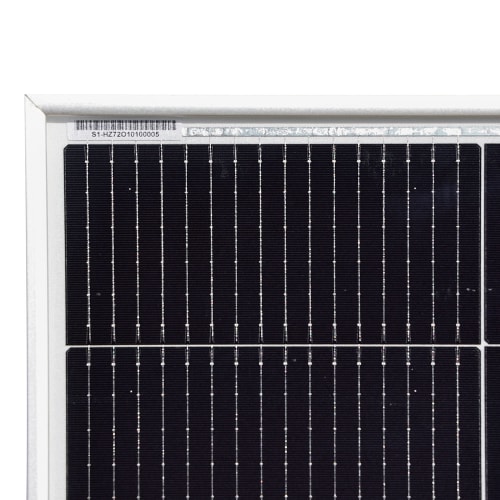
Choosing panels isn’t just about picking the highest efficiency number — you need to consider:
Your Location’s Sunlight Profile
Panels rated highly in one climate may not perform as well elsewhere. Check solar irradiance maps and forecasts for your area.
Panel Durability and Warranty
A strong warranty (20+ years) ensures long‑term performance. Look for panels with robust build quality and good resistance to environmental wear.
Cost vs. Performance
High efficient panels often cost more per watt, but the increased output can offset that over time — especially if roof space is limited.
Installer Expertise
Professional installers know how to optimize tilt, wiring, and electrical setup for maximum performance. Skilled design matters.
Installation and Maintenance: What You Should Know
Even the best panels need proper installation and periodic care:
Installation Best Practices
- Confirm roof integrity before installation
- Orient panels to capture maximum sunlight (often true south in the Northern Hemisphere)
- Use proper mounting hardware to minimize wind and moisture damage
Routine Maintenance Tips
- Clean panels annually or after dust storms
- Inspect for debris or shading from new tree growth
- Monitor system performance through digital monitoring platforms
Financing High Efficient Solar Panels
Cost should never be a barrier — there are many ways to finance solar projects:
Solar Loans
Interest‑bearing loans help you own the system while paying over time.
Leasing and Power Purchase Agreements (PPAs)
Low upfront cost options where you pay for electricity produced rather than the panels themselves.
Tax Credits and Incentives
In many regions, government incentives like tax credits or rebates significantly reduce net cost.
👉 For detailed incentive programs, visit the Database of State Incentives for Renewables & Efficiency (DSIRE)
🔗 https://www.dsireusa.org
Monitoring and Performance Tracking

To ensure your system lives up to expectations, leverage real‑time monitoring tools. These platforms show:
- Daily and total energy output
- Panel performance trends
- Alerts for drops in efficiency or system faults
Tracking data empowers you to take action early, ensuring optimal performance year after year.
Conclusion
Choosing high efficient solar panels is more than just an upgrade — it’s an investment in energy independence, financial savings, and environmental stewardship. You now have a solid grasp of how efficiency impacts performance, real‑world case studies that validate the benefits, and actionable steps to plan and maintain your solar system.
As you explore your solar journey, remember that thoughtful planning, quality installation, and long‑term monitoring will maximize your success.
FAQ
Q1: How much more efficient are high efficient solar panels compared to standard ones?
A: High efficient panels typically range from 20% to 25%+ efficiency, often delivering 10–30% more annual energy output than standard panels.
Q2: Will high efficient panels perform better in cloudy or low‑light conditions?
A: Some high efficiency panels are designed with materials and cell structures that retain better performance in diffused light conditions, but overall output still depends on total sunlight available.
Q3: Are high efficient solar panels worth the extra cost?
A: In most cases, yes — especially if you have limited space or high energy needs. The higher energy yield often offsets the initial cost difference over time.
Q4: How do I maintain my solar panel system for best performance?
A: Annual cleaning, shading management, and real‑time performance monitoring help keep your system operating at peak efficiency.
Q5: What incentives can help lower the cost of solar installation?
A: Many regions offer tax credits, rebates, and grants. You can explore these via incentive databases such as DSIRE.
