
NOUVELLES
Bienvenue sur mon blog !
Avant de plonger dans le contenu, si vous êtes intéressé par nos produits ou si vous avez des questions, n'hésitez pas à visiter notre Contactez-nous sur notre site web. Notre équipe est à votre disposition pour répondre à vos questions, passer vos commandes ou vous apporter toute l'assistance dont vous pourriez avoir besoin.
Commençons maintenant notre voyage ensemble. J'espère que vous trouverez ce contenu instructif, captivant et utile.
Table des matières
Choosing the right solar photovoltaic panel size is one of the most critical decisions for anyone looking to invest in solar energy, whether for residential or commercial projects. As a manufacturer of high-quality solar panels, we understand that size directly affects energy output, efficiency, and overall cost. In this guide, we will explore everything you need to know about solar panel sizes, helping you make an informed decision while highlighting our custom manufacturing solutions.
Qu'est-ce qu'un Solar Photovoltaic Panel and Why Size Matters
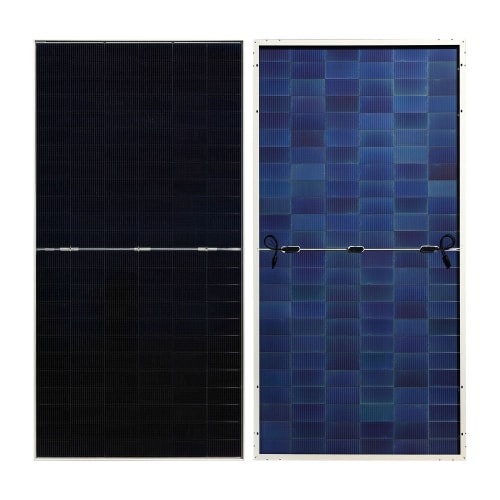
A solar photovoltaic panel is a device that converts sunlight into electricity. While efficiency and material quality are essential, the panel size plays a key role in determining how much energy it can generate. Larger panels generally produce more power, but they require more roof space and structural support. Smaller panels may fit limited spaces but might need more units to meet the same energy demands.
Understanding the differences between residential and commercial panel sizes is essential. Residential panels are typically smaller and designed to maximize energy output on limited roof areas. Commercial panels, in contrast, are larger and optimized for industrial rooftops or solar farms.
Standard Solar Photovoltaic Panel Sizes
Standardization helps installers and consumers plan projects efficiently. Typical residential solar panels are approximately 65 inches by 39 inches, while commercial panels often measure around 77 inches by 39 inches.
UN solar panel size chart can help you quickly compare dimensions and wattage outputs. For example:
- Residential panel: 330–370 watts, 65″ x 39″
- Commercial panel: 400–500 watts, 77″ x 39″
Having clear knowledge of standard sizes ensures that you can select panels that fit your roof and meet energy goals without unnecessary modifications.
Comment choisir le bon Solar Photovoltaic Panel Size for Your Project
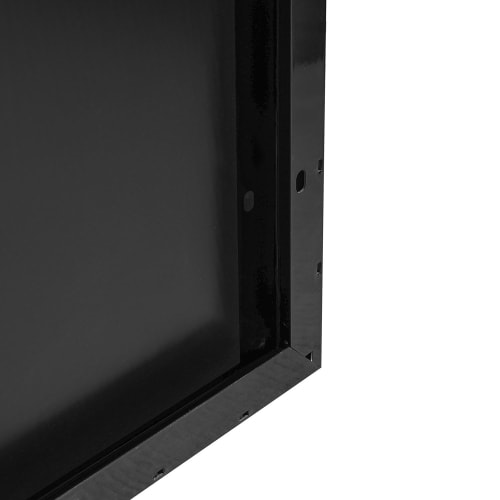
Selecting the correct panel size depends on several factors:
- Roof size and space availability – Measure your roof carefully to determine the number of panels that can fit.
- Consommation d'énergie – Calculate your household or business energy needs. Larger panels can generate more electricity but may not be practical for all roofs.
- Sunlight availability – Consider shading, orientation, and tilt angles to maximize efficiency.
Using a solar panel size calculator can simplify this process, allowing you to input roof dimensions and energy requirements to get recommended panel sizes.
Small vs Large Solar Photovoltaic Panels: Pros and Cons
Small solar panels are ideal for limited roof space or complex roof layouts. They are easier to handle during installation and often more versatile. However, achieving high energy output may require installing more panels, which can increase installation time.
Large solar panels maximize energy production per panel and are efficient for commercial installations. They are cost-effective when roof space is abundant, but may not fit smaller residential rooftops.
Custom Solar Photovoltaic Panel Sizes for Different Applications
As a manufacturer, we offer custom solar panel sizes tailored to specific residential or commercial needs. Whether you have an unusually shaped roof or require higher output panels for commercial use, we can provide solutions that fit your project perfectly.
Custom panels also ensure compatibility with inverters and mounting systems, reducing installation complexity and improving long-term performance.
Installation Tips Related to Solar Panel Size
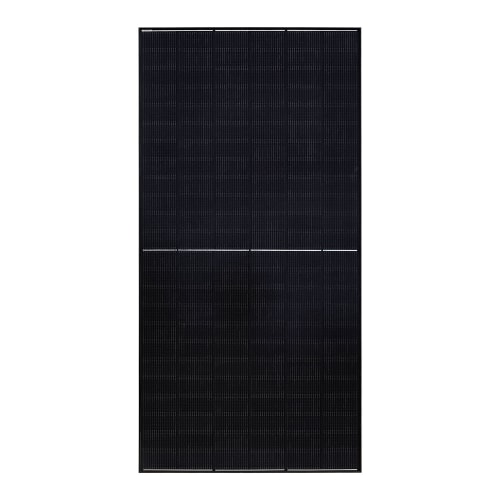
Proper installation is crucial for maximizing the efficiency of your solar panels:
- Measure roof space accurately – This ensures panels fit without overhanging or wasted space.
- Consider orientation and tilt – The angle and direction of installation affect energy output.
- Avoid common mistakes – Overcrowding, incorrect spacing, or using incompatible inverters can reduce performance.
Following these best practices helps you achieve the full potential of your chosen solar photovoltaic panel size.
Cost Implications of Different Solar Photovoltaic Panel Sizes
Panel size also impacts cost. Smaller panels may require more units to meet energy goals, increasing labor and material expenses. Larger panels typically have a higher upfront cost but can reduce overall installation complexity and maximize output per panel.
When comparing costs, consider efficiency per watt rather than just panel size. A larger panel may be more cost-effective over its lifetime due to higher energy production and lower maintenance needs.
Top Recommendations for Choosing Solar Photovoltaic Panel Taille
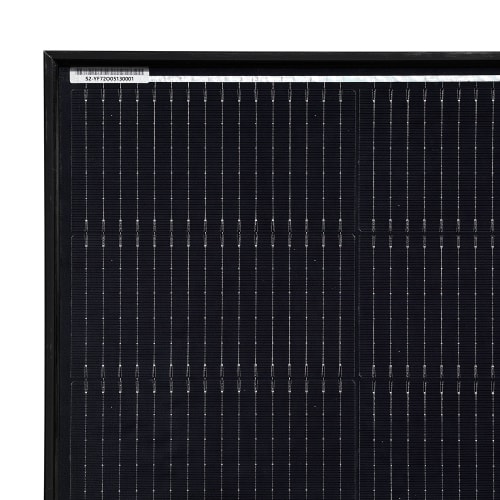
- For typical homes, panels around 65″ x 39″ are usually optimal.
- For commercial buildings, larger panels like 77″ x 39″ offer better output per unit.
- Always consider your roof space, energy consumption, and sunlight availability before making a decision.
As a manufacturer, we can help you choose or custom-build panels that perfectly match your project requirements. Our team ensures high-quality materials, precise dimensions, and reliable performance for long-term solar energy generation.
Conclusion
Choisir le bon solar photovoltaic panel size is essential for maximizing energy efficiency, meeting your energy needs, and optimizing installation costs. Whether you are planning a residential rooftop system or a commercial solar farm, understanding panel dimensions and options is the first step toward a successful project.
FAQ
What is the standard size of a solar photovoltaic panel?
The most common residential solar panel size is approximately 65 inches by 39 inches, while commercial panels are usually larger, around 77 inches by 39 inches. Size affects energy output and installation requirements.
Comment la taille des panneaux solaires influence-t-elle la production d'énergie ?
Larger panels generally produce more electricity because they have a bigger surface area to capture sunlight. Smaller panels may require more units to meet the same energy needs.
Can I get custom solar photovoltaic panel sizes?
Yes! As a manufacturer, we offer custom panel sizes for residential and commercial projects to fit unique roof spaces or specific energy requirements.
How do I choose the right solar photovoltaic panel size for my roof?
Consider your roof space, energy consumption, sunlight exposure, and your inverter system. Using a solar panel size calculator can help you determine the optimal size and number of panels.
Are larger solar panels always better?
Not necessarily. While larger panels produce more power, they require more space and may not fit smaller roofs. The best choice depends on your roof size, energy needs, and project goals.
Need Help Choosing the Right Solar Photovoltaic Panel Size?
If you’re unsure about which solar photovoltaic panel size is best for your home or commercial project, our experts are here to help. Contactez-nous today for a personalized consultation, and ensure your solar energy system is efficient and optimized for your space. Don’t wait to maximize your energy savings—get in touch now to power your property with reliable, high-quality solar panels!
