
NOUVELLES
Table des matières
Un panneau photovoltaïque étanche n'est pas simplement un module solaire résistant à la pluie. Pour les fabricants, les installateurs et les utilisateurs finaux, il représente une solution énergétique fiable, capable de résister aux environnements les plus difficiles : embruns salés, fortes pluies ou exposition prolongée aux intempéries. En tant que fabricant de panneaux photovoltaïques étanches, nous nous attachons à concevoir des modules offrant des performances constantes, une durabilité exceptionnelle et une excellente étanchéité.
Ce guide explique ce que sont les panneaux photovoltaïques étanches, comment ils fonctionnent, où ils sont utilisés, comment choisir le modèle adapté et quels critères prendre en compte pour évaluer leur qualité de fabrication. Si vous envisagez un projet solaire ou si vous souhaitez comparer différentes options, cet article vous aidera à faire un choix éclairé.
Qu'est-ce qu'un Panneau photovoltaïque étanche?
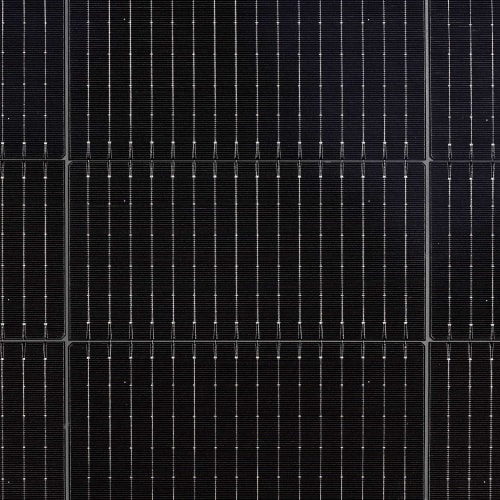
Un panneau photovoltaïque étanche est un panneau solaire conçu avec une structure d'étanchéité et des composants de protection empêchant l'eau de pénétrer dans son système interne. Contrairement aux panneaux solaires standard, les modules étanches sont conçus pour conserver leurs performances même après une exposition prolongée à la pluie, à l'humidité et à d'autres conditions difficiles.
Concrètement, les panneaux solaires étanches sont généralement classés selon un indice de protection (IP), tel que IP65, IP67 ou IP68. Ces indices décrivent le niveau de protection contre la poussière et l'eau. Un panneau solaire marin, par exemple, nécessite souvent un indice plus élevé en raison de son exposition constante à l'eau de mer et à l'air salin.
Pourquoi l'étanchéité est importante
L'eau peut causer de graves dommages aux cellules photovoltaïques et aux composants électriques. Lorsque de l'humidité pénètre dans le module, cela peut entraîner :
- corrosion des circuits internes
- court-circuit dans la boîte de jonction
- dégradation des matériaux d'encapsulation
- efficacité réduite au fil du temps
Les panneaux étanches résolvent ces problèmes grâce à une meilleure étanchéité, des matériaux de qualité supérieure et des tests de contrôle qualité rigoureux. Ceci est particulièrement important pour les applications extérieures et hors réseau où la maintenance est difficile.
Comment fonctionnent les panneaux photovoltaïques étanches
L'étanchéité d'un panneau photovoltaïque repose essentiellement sur sa structure et son processus de fabrication. Les composants clés qui garantissent son étanchéité sont les suivants :
Structure d'étanchéité et technologie d'étanchéité
Les panneaux solaires étanches utilisent des cadres scellés, des adhésifs de haute qualité et un laminage renforcé pour créer une barrière protectrice. Les bords des panneaux sont scellés avec des matériaux spéciaux qui empêchent l'eau de s'infiltrer.
Matériaux d'encapsulation
Les couches d'encapsulation protègent les cellules solaires et contribuent à la performance à long terme du panneau. Parmi les matériaux couramment utilisés, on trouve l'EVA (éthylène-acétate de vinyle) et le TPT (polyester Tedlar). Un panneau photovoltaïque étanche de haute qualité utilise des encapsulants performants qui résistent à l'humidité, aux UV et aux variations de température.
Conception de boîtes de jonction et de presse-étoupes
Le boîtier de raccordement est l'élément central du système de production électrique du panneau. Un panneau photovoltaïque étanche comprend un boîtier de raccordement avec couvercle étanche et presse-étoupes conformes à la norme IP. Ceci empêche les infiltrations d'eau et garantit des connexions électriques sûres et stables.
Panneau photovoltaïque étanche vs panneau solaire standard
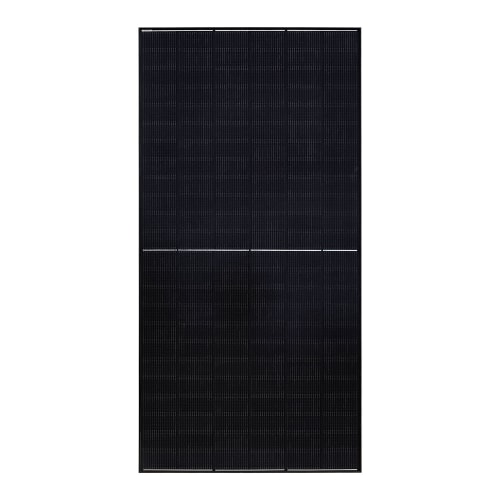
Lorsqu'on compare les panneaux photovoltaïques étanches aux panneaux solaires standard, les différences apparaissent principalement au niveau de la durabilité, de la durée de vie et de la stabilité des performances.
Différences de performance en milieu humide
Les panneaux solaires standard peuvent fonctionner même par temps pluvieux, mais ils ne sont pas conçus pour une exposition prolongée à l'eau. panneaux photovoltaïques étanches, par ailleurs, maintiennent un rendement stable même en cas de fortes pluies et d'humidité élevée.
Comparaison de la durabilité et de la durée de vie
Les modules étanches ont généralement une durée de vie plus longue grâce à une meilleure étanchéité et une résistance accrue à la corrosion. Ceci est particulièrement important dans les zones côtières où les embruns salés peuvent rapidement endommager les panneaux ordinaires.
Analyse des coûts et de la valeur
Les panneaux photovoltaïques étanches ont souvent un coût initial plus élevé, mais offrent une meilleure rentabilité à long terme. Pour des projets tels que les systèmes marins, les cabanes autonomes et l'éclairage extérieur, la réduction des coûts de maintenance et la fiabilité accrue justifient l'investissement.
Composants clés qui rendent un panneau solaire étanche
Pour garantir une étanchéité réelle, les fabricants doivent prêter attention aux composants suivants :
Verre trempé et revêtement antireflet
Le verre trempé de haute qualité protège les cellules solaires des chocs et des agressions environnementales. Les revêtements antireflets améliorent l'absorption de la lumière et l'efficacité.
Matériaux du cadre et résistance à la corrosion
Le châssis doit résister aux intempéries et à la corrosion. Les châssis en alliage d'aluminium sont courants, mais pour les applications marines, une protection anticorrosion supplémentaire est indispensable.
Boîte de jonction étanche et connecteurs à indice de protection IP
Un panneau photovoltaïque étanche nécessite une boîte de jonction à étanchéité renforcée et des connecteurs conformes à la norme IP. Ceci empêche l'eau de pénétrer dans le système électrique.
Feuille arrière imperméable et procédé de lamination
La feuille arrière constitue une barrière essentielle contre l'humidité. Les matériaux imperméables de cette feuille arrière, associés à une lamination précise, garantissent l'étanchéité du panneau pendant des années.
Principales applications des panneaux photovoltaïques étanches
Les panneaux photovoltaïques étanches sont largement utilisés dans les situations où la résistance aux intempéries et la fiabilité sont essentielles. Voici quelques-unes des applications les plus courantes :
Panneaux solaires marins pour bateaux et yachts
Les bateaux nécessitent des panneaux solaires capables de résister à l'eau salée, au vent et à une exposition constante au soleil. Les panneaux photovoltaïques étanches sont idéaux pour les systèmes d'alimentation marins, fournissant une énergie propre pour la navigation, l'éclairage et l'électronique de bord.
Systèmes solaires pour véhicules récréatifs et caravanes
Les voyageurs ont besoin d'une alimentation électrique fiable sur la route. Les panneaux solaires étanches permettent aux camping-cars et caravanes de recharger leurs batteries même par temps de pluie.
Éclairage extérieur et éclairage public
Les panneaux photovoltaïques étanches sont largement utilisés pour l'éclairage extérieur, notamment pour l'éclairage public et les lampes de jardin. Ces systèmes doivent fonctionner en continu par tous les temps, ce qui rend leur conception étanche indispensable.
Cabanes hors réseau et alimentation électrique à distance
Les régions isolées manquent souvent d'électricité fiable. Les panneaux photovoltaïques étanches fournissent une alimentation stable aux cabanes hors réseau, aux stations de surveillance isolées et aux maisons rurales.
Installations solaires agricoles et de serres
En milieu agricole, les panneaux solaires peuvent être exposés aux projections d'eau, à la poussière et à une forte humidité. Les panneaux étanches garantissent une production d'énergie constante et réduisent les besoins de maintenance.
Comment choisir le meilleur panneau photovoltaïque étanche
Choisir le bon panneau photovoltaïque étanche nécessite une évaluation minutieuse de plusieurs facteurs.
Puissance de sortie et efficacité
Choisissez des panneaux d'une puissance adaptée, par exemple 100 W, 200 W ou 300 W, en fonction de la taille de votre installation. L'efficacité est également primordiale, surtout si l'espace sur le toit ou la terrasse est limité.
Indice de protection IP et certification d'étanchéité
Vérifiez l'indice de protection IP et les certifications associées. Pour une exposition importante à l'eau, un indice IP67 ou IP68 est préférable. Les panneaux solaires marins nécessitent souvent les normes les plus strictes en raison des conditions d'eau salée.
Matériau du cadre et résistance à la corrosion
Choisissez des panneaux avec des cadres résistants à la corrosion, notamment pour les installations côtières ou marines.
Coefficient de température et performances en conditions météorologiques extrêmes
Les panneaux doivent offrir des performances fiables par températures élevées, en conditions de gel et d'humidité importante. Privilégiez les produits présentant des coefficients de température stables et une qualité de matériaux robuste.
Garantie et assurance qualité
En tant que fabricant, nous privilégions un contrôle qualité rigoureux et des garanties à long terme. Cela garantit la fiabilité du panneau tout au long de sa durée de vie.
Perspectives sur le secteur manufacturier : ce qui nous distingue
En tant que panneau photovoltaïque étanche En tant que fabricant, notre approche est axée sur la qualité, la constance et la personnalisation pour le client.
Procédures strictes de contrôle et de test de la qualité
Chaque panneau est soumis à de multiples contrôles de qualité, notamment une inspection visuelle, des tests électriques et des tests d'étanchéité.
Méthodes de test d'étanchéité
Nous effectuons des tests d'immersion dans l'eau, des tests au brouillard salin et des tests d'exposition à long terme pour garantir que les modules respectent les indices de protection IP et fonctionnent de manière fiable.
Points saillants du processus de production
Le processus de stratification, le scellement des bords et l'installation des boîtes de jonction sont réalisés sous un contrôle rigoureux. Ceci garantit la stabilité des performances et l'étanchéité du panneau.
Capacités de personnalisation
Nous proposons des services OEM et ODM, incluant des dimensions personnalisées, des options de tension, des types de connecteurs et des conceptions de châssis. Cette flexibilité permet de répondre à un large éventail d'exigences de projets.
Conseils d'installation et d'entretien pour une performance durable
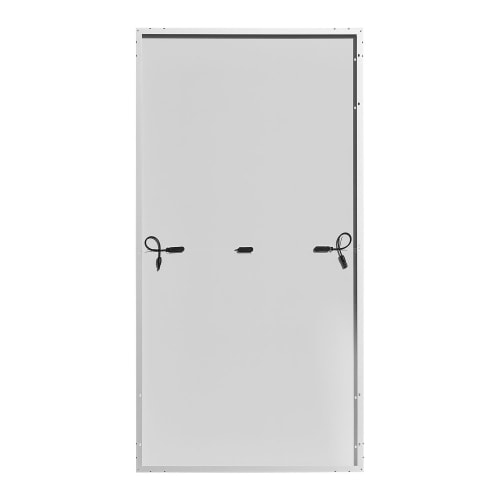
Pour maximiser la durée de vie des panneaux photovoltaïques étanches, une installation correcte et un entretien régulier sont essentiels.
Méthodes de montage correctes
Utilisez les supports et cadres de fixation appropriés pour une installation sur toit, mur ou poteau. Assurez-vous que le panneau est solidement fixé pour résister au vent et aux intempéries.
Meilleures pratiques de câblage
Utilisez des connecteurs de haute qualité et assurez-vous que tous les câbles sont étanches. Évitez toute accumulation d'eau autour des boîtes de jonction et des entrées de câbles.
Procédures de nettoyage et d'inspection
Un nettoyage régulier élimine la poussière et les résidus de sel, améliorant ainsi l'efficacité. Inspectez les panneaux pour détecter toute fissure, joint desserré ou corrosion.
Prévention des infiltrations d'eau et de la corrosion
Assurez-vous que tous les bords sont étanches et remplacez immédiatement les joints endommagés. En milieu marin, une protection anticorrosion supplémentaire est recommandée.
Problèmes courants et dépannage
Même les panneaux photovoltaïques étanches peuvent rencontrer des problèmes en cas d'installation ou d'entretien incorrects.
Pourquoi un panneau photovoltaïque étanche peut cesser de se charger
Les causes fréquentes incluent un câblage endommagé, des connexions desserrées ou un ombrage. Il est important de vérifier le câblage et la tension de sortie du système.
Comment identifier une fuite d'eau ou une défaillance d'étanchéité
Les signes d'infiltration d'eau comprennent une décoloration, de la buée sous la vitre ou une baisse de luminosité. Si vous constatez ce problème, cessez d'utiliser le panneau et inspectez l'étanchéité et le boîtier de raccordement.
Gestion des défaillances des câbles et des connecteurs
Les connecteurs peuvent tomber en panne à cause de la corrosion ou d'une étanchéité défectueuse. Remplacez-les et assurez-vous qu'ils sont adaptés à une utilisation en extérieur.
Que faire si les performances diminuent après la pluie ?
Une baisse de performance peut indiquer une infiltration d'eau ou une étanchéité défectueuse. Vérifiez l'indice de protection IP et inspectez les bords du panneau et la boîte de jonction.
Prix et valeur des panneaux photovoltaïques étanches
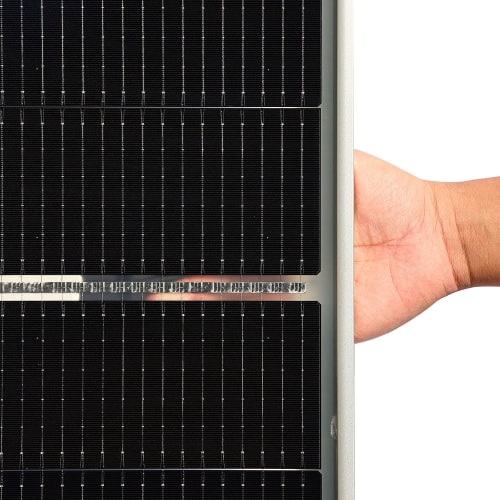
De nombreux acheteurs prennent d'abord en compte le coût, mais la valeur est déterminée par les performances à long terme et les besoins d'entretien.
Qu'est-ce qui influence le prix ?
Le prix dépend des matériaux, de l'efficacité, de l'indice de protection IP et des normes de fabrication. Des matériaux de meilleure qualité et une étanchéité supérieure coûtent généralement plus cher.
Comment évaluer le coût par watt
Calculez le coût par watt pour comparer les panneaux. Si les panneaux moins chers peuvent paraître attrayants, ils risquent de nécessiter plus d'entretien et d'avoir une durée de vie plus courte.
Pourquoi payer plus peut permettre de réduire les coûts d'entretien
panneaux photovoltaïques étanches Réduire les dégâts liés à l'eau et diminuer les besoins d'entretien. Ceci est particulièrement vrai pour les systèmes d'éclairage marins et extérieurs.
Considérations relatives aux commandes en gros et aux prix OEM
Les fabricants peuvent proposer des prix compétitifs pour les commandes en gros. Les services OEM permettent également une personnalisation pour répondre aux besoins spécifiques de chaque projet.
Conclusion
panneaux photovoltaïques étanches Nous proposons des performances fiables et durables pour une large gamme d'applications extérieures, des systèmes marins et camping-cars aux cabanes autonomes et à l'éclairage extérieur. En tant que fabricant, nous privilégions la fourniture de modules robustes et à haut rendement, capables de résister aux intempéries et de maintenir une production stable dans le temps. Lors du choix d'un panneau solaire étanche, privilégiez l'indice de protection IP, la qualité des matériaux et les normes de fabrication pour un rapport qualité-prix optimal.
Si vous avez besoin de panneaux photovoltaïques étanches sur mesure ou si vous souhaitez en savoir plus sur notre processus de fabrication et nos options de produits, n'hésitez pas à nous contacter pour obtenir un devis.
FAQ
Q1 : Que signifie “ panneau photovoltaïque étanche ” ?
A: Un panneau photovoltaïque étanche est un module solaire conçu avec des bords scellés, des boîtes de jonction étanches et des matériaux de protection pour empêcher les infiltrations d'eau et assurer des performances stables dans les environnements humides.
Q2 : En quoi les panneaux photovoltaïques étanches diffèrent-ils des panneaux solaires classiques ?
A : Les panneaux étanches sont construits avec des indices d'étanchéité plus élevés (tels que IP65/IP67/IP68) et une meilleure étanchéité, ce qui les rend plus résistants à la pluie, à une forte humidité et aux environnements marins par rapport aux panneaux solaires standard.
Q3 : Où sont panneaux photovoltaïques étanches couramment utilisé ?
A: Ils sont largement utilisés dans les applications marines, les systèmes de camping-cars et de caravaning, l'éclairage extérieur, les cabanes hors réseau et tout projet extérieur nécessitant une alimentation électrique fiable en conditions humides.
Q4 : Que dois-je rechercher lors de l’achat d’un panneau photovoltaïque étanche ?
A : Vérifiez l'indice de protection IP, la résistance à la corrosion du châssis, la puissance de sortie (100 W/200 W/300 W), le rendement et la garantie. Assurez-vous également de la qualité du boîtier de raccordement et des connecteurs de câble.
Q5 : Les panneaux photovoltaïques étanches sont-ils vraiment étanches ?
R : Oui, à condition d'être fabriqués et installés correctement. Les panneaux étanches de haute qualité répondent aux normes IP65/IP67/IP68, mais leurs performances dépendent d'une installation et d'un entretien corrects afin d'éviter tout dommage aux joints.
