
NOTICIAS
Tabla de contenido
Cuando se trata de diseñar, instalar o elegir paneles solares, comprensión dimensiones del panel solar es esencial. El tamaño de un panel afecta todo, desde la producción de energía y el costo de instalación hasta la utilización del espacio del techo y la eficiencia general del sistema. Como fabricante, proporcionar información precisa sobre las mediciones del panel puede ayudar a los propietarios y clientes comerciales a tomar decisiones informadas, garantizando una producción de energía óptima y una instalación fluida.
Esta guía cubrirá las dimensiones estándar de los paneles solares, el impacto del tamaño en la eficiencia energética, consideraciones de instalación y consejos para seleccionar los paneles adecuados para cualquier proyecto.
¿qué son los estándar Panel solar ¿Dimensiones?
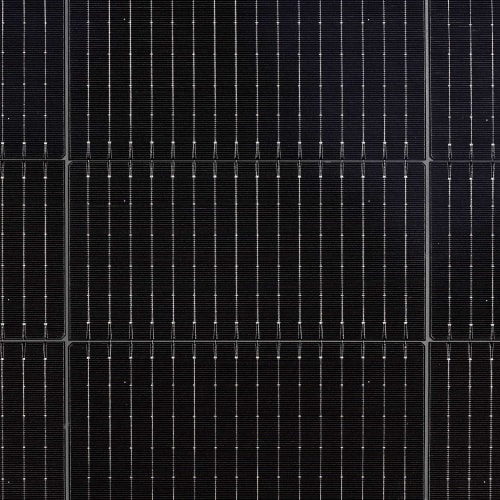
Los paneles solares vienen en varios tamaños según su uso previsto: residencial o comercial. Los paneles más comunes son Paneles de 60 celdas para viviendas y Paneles de 72 celdas para sistemas comerciales.
- Los paneles solares residenciales suelen medir alrededor 65 pulgadas por 39 pulgadas (1,65 m × 1 m).
- Los paneles comerciales suelen ser un poco más grandes 77 pulgadas por 39 pulgadas (1,95 m × 1 m).
- El espesor varía entre 1,2 pulgadas a 1,6 pulgadas (30 mm a 40 mm), dependiendo del marco y vidrio utilizado.
Comprender la distinción entre paneles residenciales y comerciales es importante para fabricantes e instaladores. Los paneles de 60 celdas son más livianos y fáciles de manejar para los tejados de los hogares, mientras que los paneles de 72 celdas brindan mayor potencia y son más adecuados para proyectos más grandes.
Cómo las dimensiones de los paneles solares afectan la eficiencia energética
El tamaño de un panel solar afecta directamente a la energía que puede generar. Los paneles más grandes suelen producir más electricidad, pero la eficiencia también depende de tipo de células solares, orientación, y calidad de instalación.
Factores clave incluyen:
- Potencia por panel: Los paneles más grandes suelen tener mayor potencia, pero pueden requerir estructuras de montaje más resistentes.
- Utilización del espacio del tejado: Las dimensiones correctas del panel garantizan que cada pie cuadrado de techo se utilice de manera eficiente.
- Sombra y orientación: Incluso el panel del tamaño adecuado debajo de un área sombreada tendrá un rendimiento inferior, por lo que la planificación del diseño es esencial.
Los fabricantes deben equilibrar el tamaño, la eficiencia y el peso para garantizar que los paneles cumplan tanto con los requisitos de producción de energía como con los de seguridad de la instalación.
Elegir el tamaño de panel solar adecuado para su techo
Seleccionar el tamaño correcto de los paneles solares depende de las dimensiones del techo, las necesidades energéticas y las regulaciones locales. Sigue estos pasos:
- Mida el espacio disponible en el techo: Asegúrese de que los paneles encajen sin superponerse ni dejar espacios inutilizables.
- Determinar los requisitos energéticos: Estimar el consumo eléctrico mensual para decidir la cantidad de paneles necesarios.
- Seleccione el tipo de panel: Los paneles compactos funcionan para techos más pequeños, mientras que los paneles estándar maximizan la producción en techos más grandes.
Para los tejados residenciales, los paneles de 60 celdas suelen lograr el equilibrio adecuado entre tamaño y rendimiento, mientras que los proyectos comerciales pueden beneficiarse de paneles de 72 celdas para reducir el número total de paneles necesarios.
Comparación de medidas de paneles solares entre marcas
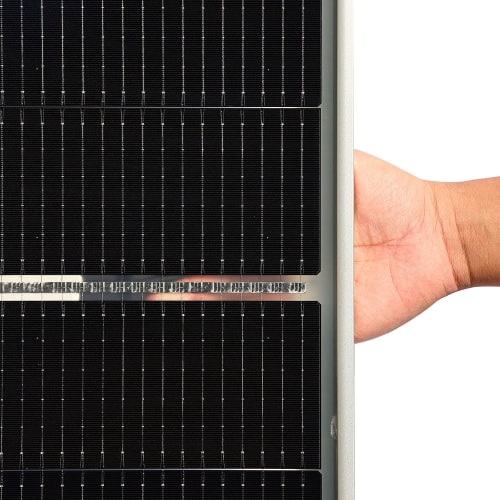
Diferentes fabricantes producen paneles con ligeras variaciones de tamaño, lo que puede afectar la planificación de la instalación. A continuación se muestra una comparación de paneles comunes de marcas líderes:
| Marca | Modelo | Dimensiones (pulgadas) | Celdas | Potencia típica | Tipo |
|---|---|---|---|---|---|
| Tesla | Panel de techo solar | 65×39 | 60 | 350 W | Residencial |
| LG | Neón 2 | 66×39 | 60 | 370 W | Residencial |
| Poder solar | Maxeón 6 | 77×39 | 72 | 420 W | Comercial |
| Panasonic | PULSA N340 | 65×39 | 60 | 340 W | Residencial |
| Solar canadiense | CS6U-P | 77×39 | 72 | 410 W | Comercial |
Esta tabla destaca la necesidad de conocimientos precisos de medición a la hora de planificar las instalaciones de tejados. Los fabricantes pueden proporcionar dimensiones estandarizadas para facilitar la planificación y la instalación a los clientes.
Consejos para fabricantes: diseño de paneles solares con dimensiones óptimas
Como fabricante, diseñar paneles que satisfagan las necesidades del mercado es crucial. Considere lo siguiente:
- Equilibra tamaño y peso: Los paneles deben ser fáciles de transportar e instalar sin comprometer la integridad estructural.
- Elección de materiales: Los marcos duraderos y el vidrio templado ayudan a garantizar la longevidad.
- Alineación de la demanda del mercado: Los mercados residenciales suelen preferir paneles compactos de 60 celdas, mientras que los clientes comerciales pueden solicitar paneles más grandes de 72 celdas para mayor eficiencia.
Proporcionando precisión panel solar las dimensiones y las instrucciones de instalación claras mejoran la confianza y posicionan a su empresa como líder de la industria.
Dimensiones del panel solar y consideraciones de instalación
Una instalación adecuada requiere comprender tanto el tamaño del panel como cómo interactúa con el sistema de montaje.
- Soporte de techo versus soporte de suelo: Los paneles para instalaciones en tierra pueden ser más grandes, mientras que los paneles de techo deben caber dentro del espacio disponible.
- Espaciado y cableado: El espacio correcto entre paneles evita el sombreado y permite un cableado eficiente.
- Cumplimiento de normas y seguridad: Los paneles de gran tamaño pueden requerir un montaje reforzado y medidas de seguridad adicionales.
El uso eficiente del espacio y una planificación adecuada garantizan la máxima producción de energía del sistema de energía solar instalado.
Herramientas y recursos para determinar el tamaño de los paneles solares
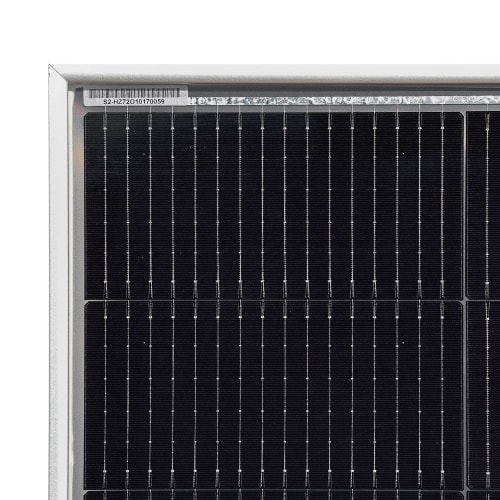
Los fabricantes e instaladores pueden utilizar varias herramientas para planificar y seleccionar las dimensiones correctas del panel:
- Calculadoras de dimensiones de paneles solares: Calcule cuántos paneles caben en un techo.
- Software de planificación de maquetación: Permite la visualización de panel solar colocación para proyectos residenciales o comerciales.
- Gráficos y guías del fabricante: Proporcione mediciones precisas y configuraciones recomendadas.
El uso de estos recursos puede ahorrar tiempo, reducir errores y garantizar una eficiencia energética óptima para los clientes.
Conclusión
Comprensión panel solar las dimensiones son vitales para fabricantes, propietarios de viviendas y clientes comerciales. El tamaño adecuado afecta la eficiencia energética, la utilización del espacio del techo, los costos de instalación y el rendimiento general del sistema. Como fabricante, proporcionar mediciones detalladas, orientación de instalación y paneles de calidad ayuda a sus clientes a tomar decisiones informadas y posiciona su marca como un líder confiable de la industria.
Si está planeando un sistema de energía solar, tómese el tiempo para medir con precisión, seleccione las dimensiones correctas del panel y consulte con un fabricante confiable para garantizar una instalación exitosa.
Preguntas frecuentes
¿Cómo mido mi techo para paneles solares?
Mida el largo, el ancho y cualquier obstrucción para determinar el espacio utilizable.
¿Cuál es el tamaño estándar de un panel solar residencial?
Normalmente alrededor de 65 × 39 pulgadas para paneles de 60 celdas.
Hazlo más grande paneles solares ¿generar más energía?
Generalmente sí, pero la eficiencia depende del tipo de célula solar y de la calidad de la instalación.
¿Se pueden personalizar los paneles solares para tejados pequeños?
Sí, muchos fabricantes ofrecen paneles compactos o de tamaño personalizado.
¿Cómo afectan las dimensiones al costo y la instalación de los paneles solares?
Los paneles más grandes pueden reducir la cantidad de paneles necesarios, pero pueden aumentar los costos de montaje y las consideraciones de peso.
