
NOTICIAS
The global shift toward renewable energy isn’t just a trend—it’s a fundamental transformation of how businesses source their power. Commercial and industrial solar installations have grown by over 35% annually, with large-scale projects now accounting for the majority of new capacity added worldwide. For facility managers, procurement directors, and business owners evaluating their energy strategy, selecting top rated paneles solares for commercial applications has become a critical decision that impacts both operational costs and long-term sustainability goals.
Unlike residential installations where aesthetics often take priority, commercial and industrial solar projects demand panels that can deliver consistent, high-volume energy production under demanding conditions. A warehouse rooftop, a manufacturing facility, or a ground-mounted array serving an industrial complex—all face unique challenges that consumer-grade panels simply weren’t designed to handle.
Working directly with an experienced solar panel manufacturer can make the difference between a project that meets expectations for 25 years and one that struggles with performance issues from day one. This guide walks through everything you need to know about selecting and sourcing industrial solar panels for your next project.
Tabla de contenido
Introducción
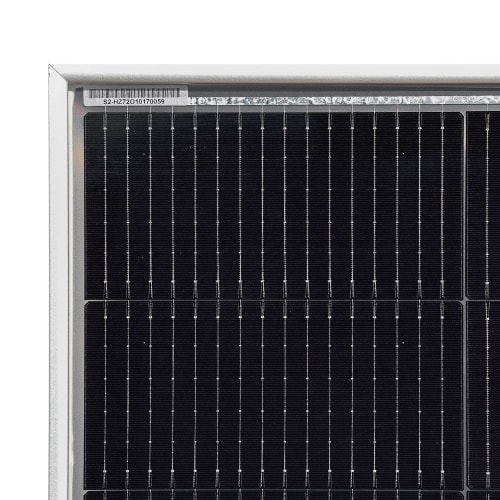
The economics of solar energy have flipped dramatically in the past decade. What once required significant government incentives to make financial sense now stands on its own merit, with commercial solar systems frequently achieving payback periods of three to seven years. The math is straightforward: energy costs keep rising, while solar technology costs continue their decade-long decline.
Businesses are gravitating toward solar for three converging reasons. First, corporate sustainability commitments now influence investor decisions and customer relationships, making solar installations a strategic asset rather than just a cost center. Second, energy price volatility creates genuine operational risk that solar contracts can hedge against. Third, the technology has matured to the point where high efficiency solar panels deliver predictable output that finance teams can model with confidence.
The choice of solar panel manufacturer matters enormously in this context. Industrial solar panels aren’t commodity products—they’re engineered systems designed for specific performance criteria. A solar panel factory that specializes in commercial and utility-scale production understands these requirements because they’ve built millions of modules to the same specifications. That manufacturing experience translates into better quality control, more consistent performance, and faster resolution when issues arise.
What Makes Solar Panels “Top Rated” in Industrial Applications
Performance standards for industrial settings go well beyond what’s acceptable in residential markets. When you’re evaluating commercial solar panels for a 500kW installation, a 0.5% difference in efficiency compounds into thousands of dollars in lost revenue over the system’s lifetime.
Efficiency Benchmarks That Matter
Modern high efficiency solar panels for commercial use typically achieve 20-23% conversion efficiency, with premium products reaching 24% or higher. What matters more than the headline number is how that efficiency holds up under real-world conditions. Temperature coefficient tells you how much power output drops as panels heat up—a critical factor for rooftop installations in warm climates. Lower is better, with coefficients of -0.30% per °C or better indicating panels that maintain output when temperatures climb.
Degradation rate determines how quickly panels lose output over their operational life. Leading commercial paneles solares offer linear degradation rates of 0.40-0.55% per year, meaning after 25 years they’ll still produce 87-89% of their rated output. Some manufacturers now warranty 90% retention at year 30, which represents genuine technology progress.
Certification Requirements
IEC 61215 and IEC 61730 certification represent the baseline for quality solar panels. These standards verify that panels can withstand environmental stresses including thermal cycling, humidity freeze cycles, mechanical load, and UV exposure. For projects in North America, UL 61730 provides equivalent testing and certification.
Beyond these fundamentals, commercial projects often require additional documentation: PID (Potential Induced Degradation) resistance testing, salt mist corrosion certification for coastal installations, and ammonia resistance for agricultural applications. A reputable solar panel manufacturer can provide test reports for all relevant certifications before you commit to an order.
Key Differences Between Residential and Industrial Solar Panels
Understanding the distinction between residential and commercial solar technology isn’t just academic—it directly impacts your project’s economics and performance.
| Característica | Residential Panels | Commercial/Industrial Panels |
|---|---|---|
| Potencia de salida | 300-440W per panel | 400-700W per panel |
| Recuento de células | 60-72 cells | 66-144 cells |
| Eficiencia típica | 17-20% | 19-23% |
| Panel Dimensions | ~65″ × 39″ | Up to 78″ × 45″ |
| System Scale | 5-20 kW | 50 kW to 1+ MW |
| Electrical Configuration | Single-phase compatible | Three-phase systems |
| Mounting Approach | Standard roof mounts | Reinforced structures, ballasted systems |
| Warranty Expectations | 25 años | 25-30 años |
The scale differences drive everything else. Industrial solar panels use larger cells and more robust framing to handle the stresses of large-scale installations. Commercial solar systems typically employ three-phase electrical configurations that match facility infrastructure, enabling higher current capacities and more efficient power distribution.
Cost per watt analysis reveals interesting patterns. While industrial panels themselves carry higher absolute prices, the installed cost per watt often falls below residential equivalents. Larger projects benefit from economies of scale: fewer mounting components per watt, simplified electrical balance-of-system components, and reduced labor intensity relative to system capacity.
Manufacturing Process Behind High-Quality Solar Panels
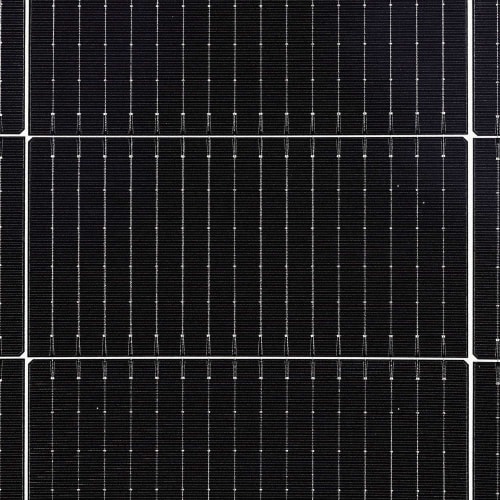
The difference between top rated solar panels and budget options often originates in the factory. A solar panel factory’s manufacturing discipline directly affects panel consistency, durability, and long-term performance.
Silicon purity sets the foundation. Solar-grade silicon requires 99.9999% purity or higher, with premium manufacturers specifying even tighter tolerances. This material quality determines cell efficiency potential before any other factors come into play.
Cell production technology distinguishes premium products. Monocrystalline PERC (Passivated Emitter and Rear Cell) technology dominates commercial solar panels, offering the best balance of efficiency, cost, and manufacturing maturity. Emerging N-type technologies—including TOPCon and heterojunction cells—deliver higher efficiency and lower degradation rates but at premium pricing that makes sense primarily for projects prioritizing maximum output per square foot.
Module assembly quality often separates manufacturers. Automated lamination processes ensure consistent encapsulation that protects cells from moisture ingress—the primary failure mode for solar panels. Quality solar panel factories conduct EL (electroluminescence) testing on every module, revealing internal defects invisible to visual inspection. This automated quality control catches issues before panels ship, protecting your project from premature failures.
Factory-level precision extends to sorting and binning. Top manufacturers group panels by performance characteristics, ensuring that panels installed together on a string share similar output characteristics. This attention to detail maximizes string performance and simplifies troubleshooting throughout the system’s operational life.
Efficiency and Performance Factors in Large-Scale Solar Projects
Commercial solar systems operate under different constraints than residential installations. Understanding these factors helps you specify panels that will perform reliably over decades.
Temperature affects industrial installations disproportionately. Large roof-mounted arrays absorb significant heat from the building below, creating operating temperatures that can exceed ambient conditions by 30-40°C. High efficiency solar panels with favorable temperature coefficients maintain better output under these conditions, delivering more energy per dollar invested.
Shading tolerance matters more in commercial contexts. Rooftop equipment, nearby structures, and even self-shading between panel rows create partial shading scenarios that residential installations typically avoid. Multi-busbar cell designs and half-cut cell technologies reduce the performance impact of partial shading, making these features worthwhile for commercial rooftop projects.
Degradation over 25-30 year operational life represents a long-term commitment. Industrial solar panels with demonstrated low degradation rates—backed by field data from existing installations—provide more predictable lifetime energy production. This predictability matters for financing, as lenders increasingly model project returns based on degradation assumptions that must align with manufacturer warranties.
Weather resilience determines whether panels deliver promised performance over decades. Industrial solar panels face snow loads in northern climates, wind uplift forces in coastal regions, and hail impact risks everywhere. Frame strength, junction box design, and glass thickness all contribute to panels that survive these stresses without performance degradation.
Top Rated Solar Panels for Commercial Rooftop Installations
Rooftop commercial solar presents unique challenges that influence panel selection. Structural load capacity often limits available mounting options, while roof space optimization demands maximum power density per square foot.
Rooftop-Specific Considerations
Flat roof installations typically use ballasted mounting systems that avoid roof penetrations—a preference for building owners concerned about waterproofing integrity. Panels must handle wind loads without excessive flexing, which means robust frames and careful mounting engineering.
Rooftop access for maintenance argues for durability over novelty. Commercial paneles solares with proven track records in similar applications reduce project risk. Newer technologies may offer marginal efficiency gains but lack the field history that building owners and facility managers increasingly demand.
Space optimization in warehouse and manufacturing settings often drives panel selection toward high-wattage modules. A 600W panel produces more power in the same roof footprint than a 400W alternative, potentially avoiding expensive structural reinforcement that lower-output panels would require.
Common Configuration Approaches
Portrait orientation installations work well for narrow rooftop sections and simplify maintenance access. Landscape orientation maximizes power density per row but requires careful consideration of row spacing to minimize inter-row shading.
Bifacial panels—capable of generating power from light reflected off the roof surface—offer 5-15% additional energy yield on light-colored rooftops. While requiring elevated mounting and clean surfaces to realize their potential, bifacial technology makes sense for commercial rooftops where these conditions are achievable.
Ground-Mounted Solar Systems for Industrial Use
Large industrial facilities often have adjacent land suitable for ground-mounted arrays. Ground-mounted commercial solar systems enable optimal panel orientation without rooftop geometric constraints. South-facing slopes can be graded, flat sites can accommodate single-axis tracking systems, and panel heights can be set for convenient maintenance access.
Fixed-tilt systems provide the lowest maintenance option—essentially no moving parts means no scheduled maintenance beyond occasional cleaning. For facilities seeking simplicity over maximum yield, fixed-tilt ground arrays deliver reliable performance with minimal operational attention.
Tracking systems—either single-axis (east-west rotation) or dual-axis (continuous sun-following)—increase energy production by 15-25% compared to fixed installations. For projects with strong sunshine and favorable land costs, tracking systems often pencil out over their operational lifetime.
Land utilization efficiency matters for industrial applications. Ground-mounted industrial solar panels can be spaced to allow agricultural use beneath, enabling dual-purpose installations that preserve land value while generating power.
Cost Analysis and ROI of Industrial Solar Panel Systems
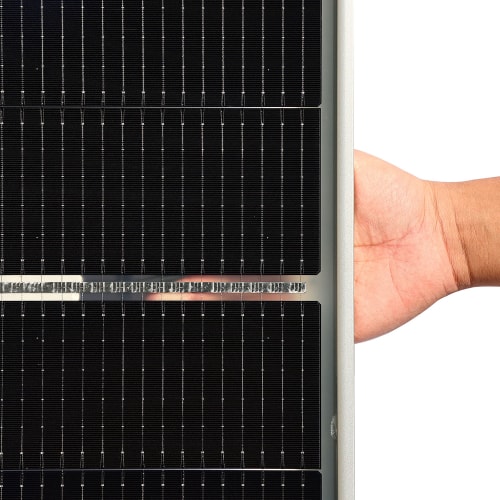
Project finance for commercial solar has matured dramatically. Understanding the economics helps frame procurement decisions appropriately.
Investment Fundamentals
Installed system costs for commercial solar projects typically range from $1.50-2.50 per watt, varying based on system size, location, mounting approach, and local labor costs. This figure includes panels, inverters, mounting hardware, electrical BOS components, and installation labor—but not permitting, interconnection, or financing costs that vary by jurisdiction.
Annual energy production depends on location, panel orientation, system efficiency, and shading. A well-designed 100kW commercial solar system in the southwestern United States might produce 160,000-180,000 kWh annually, while the same system in the Pacific Northwest might yield 120,000-140,000 kWh. Location-specific analysis is essential for accurate projections.
Payback periods for commercial solar installations typically range from three to seven years, depending on electricity prices, available incentives, and system performance. After the payback period, solar power is essentially free fuel—protection against utility rate increases for the remaining 20+ years of system life.
Financial Incentives
The federal Investment Tax Credit (ITC) provides a 30% tax credit for commercial solar installations through 2032, stepping down to 26% in 2033 and 22% in 2034. This incentive applies to the total installed cost of the system, including panels, inverters, mounting, and installation labor.
MACRS (Modified Accelerated Cost Recovery System) depreciation allows commercial solar systems to be depreciated over five years, providing additional tax benefits that accelerate project returns. Combined with the ITC, these incentives can significantly improve project economics.
Utility rebates and state-level incentives vary by location but often provide additional upfront savings or favorable net metering terms. A qualified solar installer familiar with local programs can identify all applicable incentives.
Direct Sourcing Economics
Working directly with a solar panel manufacturer can reduce equipment costs by 15-30% compared to distributor pricing. For a 100kW commercial project, this might translate to $15,000-30,000 in savings. Beyond purchase price, direct manufacturer relationships offer customization options that standard distributors cannot provide.
How to Choose a Reliable Solar Panel Manufacturer
The manufacturer selection process determines project quality more than any other decision. Due diligence here pays dividends throughout the system’s operational life.
Evaluating Manufacturing Capability
Production capacity matters for project timelines. A panel solar factory capable of producing 500MW annually handles order surges without excessive delays, while smaller manufacturers might struggle with large commercial orders. Ask about production scheduling, typical lead times, and capacity utilization.
Vertical integration indicates manufacturing depth. Factories that produce their own cells—rather than sourcing from third-party cell manufacturers—maintain tighter quality control and can respond faster to production issues. This integration also provides more consistent supply, reducing the risk of component shortages affecting your project.
Quality certifications demonstrate manufacturing discipline. ISO 9001 certification indicates systematic quality management processes. IEC 61215 and IEC 61730 certification verify product performance and safety. Extended testing beyond minimum requirements—like salt mist or ammonia exposure testing—indicates manufacturers targeting industrial applications.
Assessing Partnership Viability
Export experience matters for international projects. Manufacturers with established export procedures understand documentation requirements, shipping logistics, and customs processes.
Technical support availability distinguishes premium manufacturers. When issues arise on projects of meaningful scale, access to engineering support that understands your specific panels accelerates resolution.
Warranty backing reflects manufacturer confidence. Solar panel warranties typically include product warranties for 10-15 years and performance warranties guaranteeing specified output retention over 25-30 years.
Applications of Top Rated Solar Panels in Industry
The versatility of industrial solar panels enables diverse applications across commercial and industrial sectors.
Manufacturing facilities represent the largest commercial solar market segment. High electricity consumption makes solar economics particularly compelling for energy-intensive operations. Many manufacturers have achieved energy cost reductions of 40-60% through well-designed solar installations.
Logistics and warehouse operations offer extensive roof surfaces ideal for solar installations. Large flat roofs on distribution centers provide perfect platforms for commercial solar panels, while the facilities’ high daytime electricity demand aligns well with solar production patterns.
Agricultural operations benefit from solar in multiple ways. Grid-parity solar power reduces operating costs for irrigation, climate control, and processing equipment, while solar-powered water pumping provides reliable energy access in remote locations.
Commercial real estate increasingly incorporates solar as a building standard rather than an add-on feature. Building owners recognize that solar installations improve occupancy rates and rental income, while tenants increasingly seek spaces with renewable energy supply.
Maintenance and Long-Term Performance Optimization
Industrial solar panels are low-maintenance assets, but a thoughtful maintenance approach maximizes lifetime energy production and system value.
Routine Maintenance Practices
Cleaning schedules depend on local conditions. Dusty environments may require quarterly cleaning, while locations with regular rainfall may need only annual attention. Automated cleaning systems exist for large installations but require capital investment and ongoing operational costs.
Electrical inspections verify system integrity. Annual thermal imaging surveys identify hot spots that indicate potential connection issues or cell damage. These inspections catch problems before they escalate into significant power losses or safety concerns.
Performance monitoring systems track production against expectations. Modern monitoring platforms provide alerts when output falls below modeled values, enabling rapid response to underperformance. Data-driven maintenance beats calendar-based approaches, focusing attention where it’s actually needed.
Maximizing System Lifespan
Panel longevity depends partly on environmental conditions and partly on handling during installation. Careful installation practices that avoid panel stress extend operational life. Once installed, panels benefit from regular inspection of mounting hardware to ensure mechanical integrity over decades.
Inverter maintenance represents the most significant scheduled maintenance requirement. String inverters typically require replacement at 10-15 years, while microinverters may last the full system life. Budgeting for inverter replacement ensures system performance doesn’t degrade when original inverters fail.
Why Choose Factory-Direct Solar Panels for Your Project
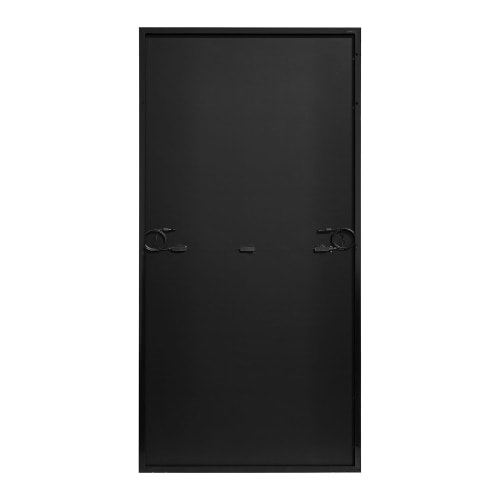
The procurement model matters as much as the product specification. Factory-direct commercial paneles solares offer advantages that ripple through your entire project.
Direct manufacturer sourcing eliminates distributor margins that add 15-30% to equipment costs. These savings compound through your project’s financial model, improving payback periods and lifetime returns. For large installations, the absolute dollar savings become project-defining.
Quality consistency from production-line control exceeds what distributors can guarantee. When panels come from a single solar panel factory, manufacturing processes, testing protocols, and sorting criteria remain consistent. You receive panels built to identical specifications, not assembled from whatever components happened to be available.
Customization capabilities expand when working directly with manufacturers. Projects with unique requirements—unusual dimensions, specialized mounting interfaces, or modified electrical configurations—become feasible when engineering teams can spec panels specifically for your application.
Supply chain stability protects your project timeline. Direct relationships with manufacturers ensure priority scheduling and clear communication about production status. Distributor availability fluctuates with inventory, while factory relationships provide predictable access to the panels your project needs.
Technical alignment between your engineering team and manufacturer engineers accelerates problem-solving throughout the project. When questions arise during design, installation, or commissioning, direct access to manufacturing expertise reduces resolution time dramatically.
Conclusión
Selecting top rated solar panels for commercial and industrial projects requires balancing multiple factors: efficiency, durability, manufacturer credibility, and total cost of ownership. The industrial solar panels that perform best over decades share common characteristics—proven reliability, favorable degradation rates, and manufacturer support that matches the scale of commercial projects.
Factory-direct procurement from an experienced panel solar manufacturer has emerged as the preferred approach for projects prioritizing quality, cost, and long-term support. The relationship between buyer and manufacturer extends beyond the transaction, creating partnerships that serve projects well through installation, commissioning, and decades of operation.
Whether you’re evaluating rooftop commercial solar panels for a distribution center or ground-mounted arrays for an industrial facility, the principles remain consistent: specify for long-term performance, verify manufacturer credentials thoroughly, and build relationships that support your project throughout its operational life.
Preguntas frecuentes
Q: What defines top rated solar panels for industrial projects?
A: Top rated solar panels for industrial use must deliver high efficiency (20%+), low degradation rate (≤0.5% annually), and durability in harsh environments. They should meet IEC and UL certifications, maintain stable energy output over 25-30 years, and offer strong cost-per-watt value for large-scale installations.
Q: How do commercial solar panels differ from residential ones?
A: Commercial and industrial solar panels have higher power capacity (typically 400W+ vs 300W for residential), stronger frame construction to handle heavy loads, and optimized efficiency for large installations. They’re designed for easier maintenance access and better performance consistency across expansive rooftop or ground-mounted systems.
Q: What efficiency should I expect from top rated paneles solares?
A: High-quality commercial solar panels today achieve 20-23% energy conversion efficiency. Top rated panels maintain this performance with minimal degradation, losing only 10-15% output over their 25-30 year lifespan even in extreme temperatures and weather conditions.
Q: Why choose a solar panel manufacturer over distributors?
A: Direct factory sourcing offers 15-30% cost savings, consistent quality from production line control, customization options for large projects, faster bulk order delivery, and better after-sales technical support. Manufacturers also provide OEM/ODM capabilities and stable supply chains for industrial-scale installations.
Q: What’s the typical ROI period for industrial solar panel systems?
A: Most commercial solar installations achieve payback within 5-8 years, depending on local energy costs, government incentives, and system scale. With top rated panels lasting 25-30 years, businesses enjoy 17-25 years of essentially free electricity and significant long-term savings.
