
NEWS
Table of Contents
Commercial photovoltaic panels are becoming an essential investment for businesses looking to reduce energy costs, increase sustainability, and gain long-term financial benefits. As a manufacturer of high-quality commercial photovoltaic panels, we have extensive experience helping businesses choose and implement the right solar solutions for their facilities. In this guide, we will cover everything you need to know about commercial photovoltaic panels, including how they work, benefits, installation, maintenance, cost, ROI, and industry applications.
What Are Commercial Photovoltaic Panels?
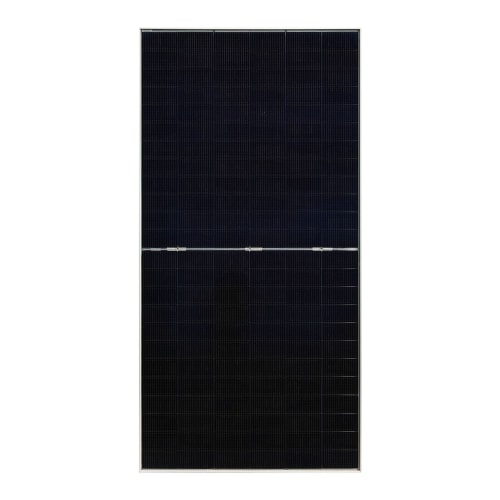
Commercial photovoltaic panels, also known as commercial solar panels, are designed to convert sunlight into electricity for business operations. Unlike residential panels, commercial panels are larger, more efficient, and built to meet higher energy demands.
Definition and Core Components
A commercial photovoltaic panel typically consists of multiple solar cells made from high-purity silicon, encapsulated in protective glass and framed for durability. Other components of a commercial solar system include inverters, mounting structures, and wiring that ensure energy generated is usable in a facility.
How Commercial Solar Panels Work
Solar cells absorb sunlight and convert it into direct current (DC) electricity. The inverter then transforms DC into alternating current (AC) to power office equipment, manufacturing machinery, or facility lighting. Advanced commercial panels often include features for monitoring efficiency and energy output.
Differences Between Commercial and Residential Panels
Commercial panels are engineered for higher power output, longer lifespan, and large-scale installations. Residential panels are smaller, typically producing less than 400 watts per panel, whereas commercial panels can exceed 500 watts per unit and are optimized for industrial rooftops and solar farms.
Key Benefits of Using Commercial Photovoltaic Panels
Investing in photovoltaic panels offers multiple benefits for businesses:
- Energy Cost Reduction: Businesses can significantly reduce electricity bills, especially in regions with high energy costs.
- Long-Term ROI: Commercial panels provide consistent energy output, reducing dependency on utility companies and providing a predictable payback period.
- Environmental Impact: Solar energy reduces carbon footprint and demonstrates corporate social responsibility.
- Increased Property Value: Facilities with installed commercial panels often see higher property valuations.
Choosing the Right Commercial Photovoltaic Panel for Your Facility
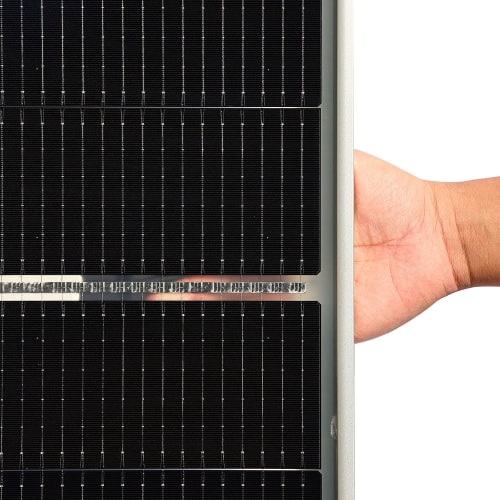
Selecting the right commercial panel requires considering efficiency, power output, durability, and installation requirements.
- Efficiency and Output: High-efficiency panels generate more electricity per square meter, maximizing rooftop space.
- Durability: Look for panels with robust frames, tempered glass, and resistance to extreme weather.
- Top Features to Consider: Integrated monitoring systems, compatibility with energy storage, and extended warranties.
Here’s a comparison of some typical commercial photovoltaic panel features:
| Feature | Standard Commercial Panel | High-Efficiency Panel |
|---|---|---|
| Power Output | 300–400W | 450–550W |
| Efficiency | 18–20% | 21–23% |
| Warranty | 10–15 years | 20–25 years |
| Lifespan | 25 years | 30 years |
Commercial Photovoltaic Panel Installation Guide
Proper installation is critical to maximizing energy output and longevity:
- Site Assessment: Evaluate roof orientation, shading, and structural integrity.
- System Design: Determine the number of panels, inverter type, and wiring layout.
- Installation: Secure mounting structures, install panels, connect electrical components.
- Inspection and Testing: Ensure proper operation, safety compliance, and efficiency monitoring.
Avoid common mistakes such as improper panel spacing, insufficient structural support, or incorrect wiring, which can reduce performance and increase maintenance costs.
Cost and Return on Investment (ROI) Analysis
Understanding the cost and potential savings of photovoltaic panels is essential for businesses.
- Average Cost per Watt: Commercial panels typically range from $1.50 to $2.50 per watt, depending on efficiency and brand.
- Maintenance Costs: Routine inspections, cleaning, and occasional inverter replacement are the primary ongoing expenses.
- Payback Period: Depending on energy consumption and incentives, businesses can achieve ROI in 3–7 years.
By investing in high-efficiency panels, businesses maximize savings and reduce environmental impact simultaneously.
Maintenance and Longevity Tips for Commercial Panels
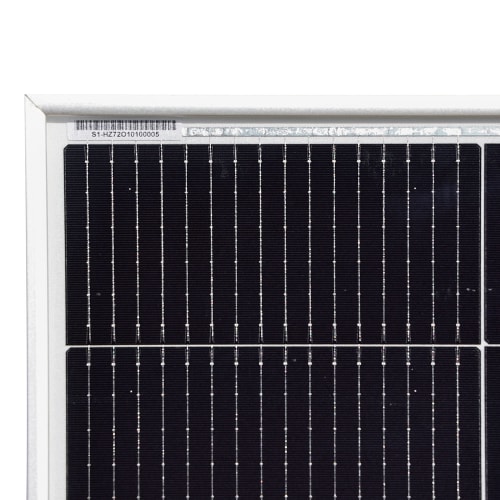
Regular maintenance ensures optimal performance and extends the lifespan of photovoltaic panels:
- Inspect panels every 6–12 months for debris, damage, or dirt buildup.
- Clean panels using recommended cleaning solutions and methods to avoid scratching.
- Monitor system output with integrated software to detect inefficiencies early.
- Ensure warranty coverage and service agreements are up-to-date.
Industry Applications of Commercial Photovoltaic Panels
Commercial photovoltaic panels are versatile and can be applied across multiple industries:
- Warehouses and Factories: Large rooftops provide ideal space for panel arrays.
- Office Buildings: Reduce electricity costs while showcasing corporate sustainability.
- Agricultural and Industrial Facilities: Solar panels support energy-intensive operations efficiently.
Case studies show that businesses across sectors can achieve up to 40% reduction in electricity costs within the first year of installation.
Government Incentives, Tax Credits, and Financing Options
In many regions, government programs and incentives make investing in commercial photovoltaic panels even more attractive:
- Federal and state-level tax credits can reduce upfront costs.
- Financing options, including leasing and power purchase agreements (PPAs), allow businesses to adopt solar without large initial investments.
- Incentives directly impact ROI, shortening payback periods and increasing overall savings.
Future Trends in Commercial Photovoltaic Technology
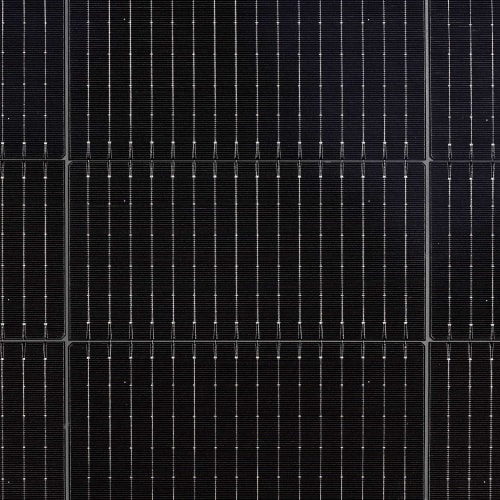
The commercial solar industry continues to evolve:
- Higher Efficiency Panels: Newer technology increases energy output per square meter.
- Integration with Energy Storage: Businesses can store excess energy and manage peak demand more effectively.
- Smart Systems: Remote monitoring and AI-driven analytics optimize energy consumption.
- Emerging Markets: Rapid adoption in industrial zones and developing regions creates new opportunities for commercial solar.
Conclusion
Commercial photovoltaic panels provide businesses with reliable, long-term energy solutions while reducing costs and promoting sustainability. As a manufacturer, we recommend evaluating efficiency, durability, installation requirements, and financing options to select the best panels for your facility. Investing in commercial photovoltaic panels is not only an energy-saving decision but a strategic business move that strengthens both financial performance and corporate responsibility.
To learn more about our commercial photovoltaic panel solutions and request a consultation, visit our [product page] or contact our team today.
FAQ
Q1: What is a commercial photovoltaic panel?
A: A commercial photovoltaic panel is a solar panel designed to generate electricity for businesses, warehouses, factories, and large facilities, offering higher efficiency and power output than residential panels.
Q2: How much do commercial photovoltaic panels cost?
A: The cost typically ranges from $1.50 to $2.50 per watt, depending on efficiency, size, and brand. Installation and maintenance may add to the total investment.
Q3: What are the benefits of installing commercial photovoltaic panels?
A: They help businesses reduce electricity bills, lower carbon footprint, increase property value, and provide a predictable return on investment over time.
Q4: How long do commercial photovoltaic panels last?
A: Most high-quality commercial photovoltaic panels have a lifespan of 25–30 years, with warranties often covering 20–25 years of performance.
Q5: Are there incentives or financing options for commercial photovoltaic panels?
A: Yes, businesses can access federal and state tax credits, rebates, and financing options such as leasing or power purchase agreements to reduce upfront costs and improve ROI.
