
NEWS
Table of Contents
Introduction
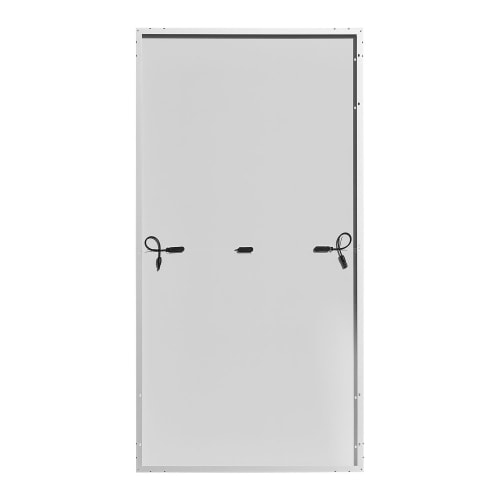
Rising electricity prices, unstable energy markets, and increasing operational demands have pushed companies to look for long-term energy solutions. Among the most effective options, business solar panel systems have become a strategic investment for commercial and industrial users.
As a business solar panel manufacturer, this article is designed not only to explain how solar energy reduces electricity costs, but also to support SEO growth by targeting high-intent commercial keywords and improving organic search visibility for companies searching for reliable solar solutions.
What Is a Business Solar Panel System?
A business solar panel system is a large-scale photovoltaic energy solution designed specifically for commercial electricity consumption. Unlike residential systems, it is engineered for higher output, scalability, and continuous industrial operation.
Typical configurations include:
- High-efficiency photovoltaic modules
- Commercial-grade solar inverters
- Grid-connected or hybrid energy systems
- Optional battery storage for energy stability
- Scalable installation for rooftops or ground projects
These systems are widely used in factories, warehouses, logistics centers, office buildings, and retail facilities.
How Business Solar Panels Generate Electricity
The core function of a solar panel system is to convert sunlight into usable electricity through photovoltaic technology.
Energy conversion process:
- Solar panels absorb sunlight through photovoltaic cells
- Sunlight is converted into direct current (DC) electricity
- Inverters transform DC into alternating current (AC)
- Electricity is supplied to commercial operations or fed into the grid
This process allows businesses to generate clean energy directly on-site, reducing dependency on traditional utilities.
Why Business Solar Panels Reduce Electricity Costs
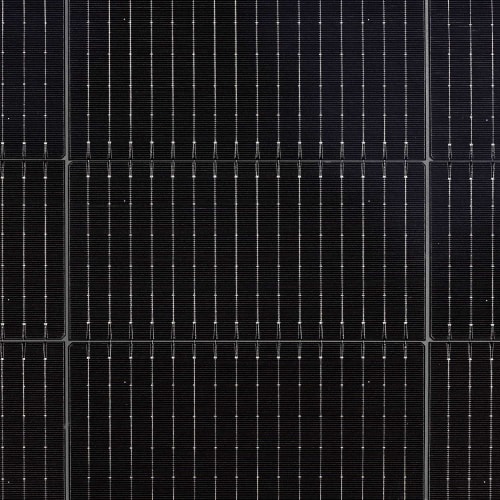
The main reason companies invest in solar systems is cost reduction. Business solar panels directly offset grid electricity consumption, which lowers monthly utility bills.
Key cost-saving mechanisms:
- Self-generated electricity reduces grid dependency
- Peak demand charges are significantly reduced
- Excess energy can be exported in grid-tied systems
- Long-term protection against rising electricity prices
- Predictable energy budgeting over system lifespan
Key Components of a Commercial Solar Panel System
| Component | Function | Business Value |
|---|---|---|
| Solar Panels | Convert sunlight into DC power | Primary energy generation source |
| Inverter | Converts DC to AC electricity | Ensures usable power for equipment |
| Mounting System | Supports panel installation | Structural safety and efficiency |
| Battery Storage (Optional) | Stores excess energy | Energy stability and backup power |
| Monitoring System | Tracks performance | Optimizes energy output |
Each component plays a critical role in ensuring stable performance and long-term energy savings for commercial users.
Business Solar Panel Efficiency Factors
System efficiency determines how much electricity a business can generate and how quickly it can achieve ROI.
Important influencing factors include:
- Solar panel conversion efficiency
- Installation angle and orientation
- Local sunlight conditions
- Temperature and weather resistance
- Quality of inverter technology
- Regular maintenance and cleaning
Higher efficiency systems directly translate into greater cost reduction.
Cost Structure of Solar Panel Systems
Understanding cost structure is essential for evaluating investment feasibility.
Typical cost breakdown includes:
- Solar panel manufacturing quality
- Engineering and installation labor
- Electrical system integration
- Structural reinforcement (if required)
- Monitoring and control systems
- Optional energy storage solutions
While initial investment varies, commercial systems are designed for long-term savings and stable ROI.
ROI and Payback Period of Commercial Solar Systems
One of the strongest advantages of business solar panels is measurable financial return.
ROI considerations:
- Initial investment vs electricity savings
- Energy consumption volume
- Local electricity price trends
- Incentives or tax benefits (where applicable)
- System lifespan (typically 20–25 years)
Most commercial users achieve payback within a predictable cycle, followed by years of low-cost electricity production.
Manufacturing Quality and Its Impact on Performance
As a business solar panel manufacturer, production quality is the foundation of system reliability and long-term output.
High-quality manufacturing ensures:
- Stable energy conversion efficiency
- Durable photovoltaic cell structure
- Strong resistance to corrosion and weather conditions
- Lower degradation rate over time
- Consistent performance in industrial environments
Superior manufacturing standards directly influence system lifespan and ROI performance.
Business Solar Panel Installation Process
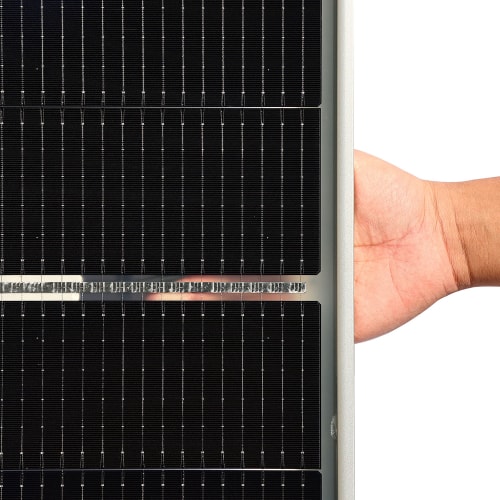
A structured installation process ensures safe and efficient system operation.
Typical installation workflow:
- Site evaluation and energy demand analysis
- System design and capacity planning
- Structural assessment of installation area
- Panel mounting and electrical wiring
- Inverter setup and system integration
- Final testing and grid connection
Professional installation is critical to maximizing system efficiency and safety.
Maintenance and Long-Term Performance Optimization
Proper maintenance ensures stable energy output over decades of operation.
Key maintenance practices include:
- Regular solar panel cleaning
- Electrical connection inspection
- Inverter performance monitoring
- System diagnostics and reporting
- Annual efficiency evaluation
Well-maintained systems consistently deliver higher energy yields and better financial returns.
Industry Applications of Business Solar Panels
Commercial solar systems are widely adopted across multiple industries with different energy demands.
Common applications include:
- Warehouses and logistics facilities
- Manufacturing plants and factories
- Office buildings and corporate campuses
- Retail chains and shopping centers
- Agricultural and farming operations
Each industry benefits from reduced electricity costs and improved energy independence.
Why Choosing a Direct Manufacturer Matters
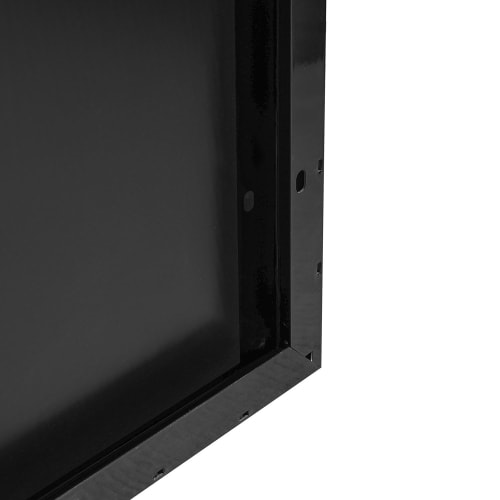
Working directly with a business solar panel manufacturer provides significant advantages for commercial buyers.
Key benefits include:
- Lower overall system cost without intermediaries
- Customized solar solutions based on project requirements
- Strict quality control from production to delivery
- Faster technical support and project response
- OEM and large-scale commercial project capability
Direct manufacturing partnerships improve both cost efficiency and long-term system reliability.
Conclusion
Business solar panels are a proven solution for reducing commercial electricity costs and improving long-term energy stability. By generating clean electricity on-site, businesses can significantly reduce reliance on traditional power grids while achieving predictable and controllable energy expenses.
From manufacturing quality and system design to installation and maintenance, every stage influences performance and ROI. As a business solar panel manufacturer, delivering high-efficiency and durable systems is essential for helping enterprises achieve sustainable growth and stronger cost competitiveness in today’s energy-driven market.
FAQ
What is a business solar panel system?
A business solar panel system is a commercial photovoltaic setup designed to generate electricity for companies, factories, warehouses, and office buildings. It converts sunlight into usable power to reduce reliance on grid electricity and lower operational costs.
How do business solar panels reduce electricity costs?
Business solar panels reduce electricity costs by generating on-site energy from sunlight. This decreases grid consumption, lowers peak demand charges, and helps businesses stabilize long-term energy expenses against rising utility prices.
What is the average lifespan of a business solar panel system?
Most business solar panel systems have a lifespan of 20 to 25 years. High-quality systems from professional manufacturers can maintain strong performance with gradual efficiency decline over time.
How much maintenance do business solar panels require?
Business solar panels require minimal maintenance. Regular cleaning, periodic system inspections, inverter checks, and performance monitoring are usually enough to ensure stable long-term operation and efficiency.
Is investing in solar panels worth it for companies?
Yes. Solar panels are a long-term investment that can significantly reduce electricity bills, improve energy independence, and provide a strong return on investment through reduced operational costs over time.
