
NEWS
Welcome to My Blog!
Before we dive into the content, if you’re interested in our products or have any questions, please feel free to visit our Contact Us page on the website. Our team is ready to assist you with inquiries, orders, or any support you may need.
Now, let’s get started on our journey together. I hope you find the content here insightful, engaging, and valuable.
Table of Contents
Choosing the best solar inverter is one of the most critical steps when investing in a solar power system. The inverter serves as the “heart” of your setup — converting the direct current (DC) electricity generated by solar panels into alternating current (AC) energy your home or business can actually use. With so many models, technologies, and brands available, understanding what makes one inverter better than another can help you save money, improve system performance, and extend equipment lifespan.
In this guide, we’ll break down the top features you should look for when selecting the best solar inverter for your home, business, or off-grid system.
Understanding What a Solar Inverter Does
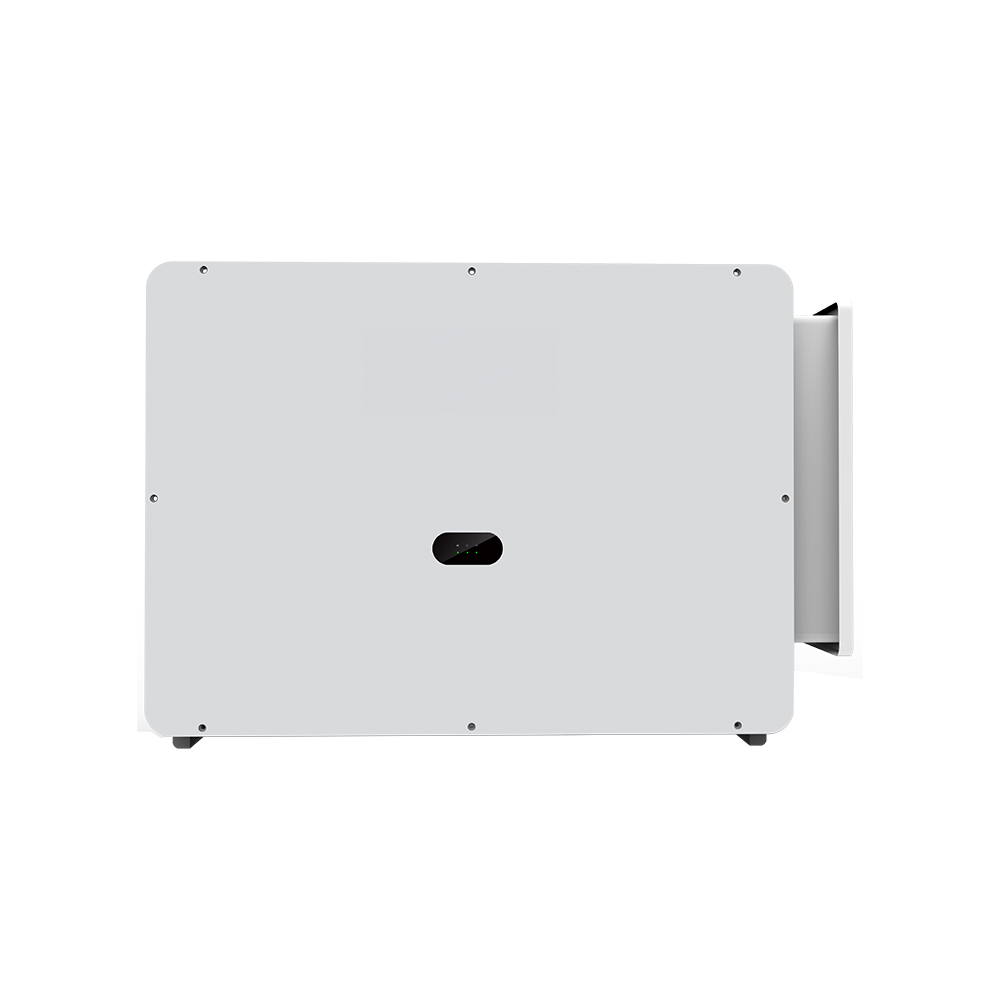
A solar inverter is the brain of your solar power system. Its primary function is to convert DC power from your solar panels into AC power compatible with household appliances and the electric grid.
A high-quality inverter not only performs this conversion efficiently but also manages energy flow, monitors performance, and protects against grid faults. Choosing the right inverter ensures that your entire solar array runs safely, efficiently, and smoothly for years.
Power Output and Efficiency Ratings
One of the most important specifications to consider is inverter efficiency. Efficiency refers to how much of the DC energy from your panels is successfully converted into usable AC electricity.
Most of the best solar inverters in 2025 feature conversion efficiencies between 96% and 99%, with some premium models achieving “European efficiency” ratings above 98%. Even a 1% difference in efficiency can have a noticeable impact on your long-term energy yield, so it’s worth investing in a model that minimizes power losses.
Inverter Type: String, Micro, or Hybrid
Solar inverters come in three main types — string inverters, micro inverters, and hybrid inverters — each offering unique benefits.
- String inverters are the most common, connecting multiple panels in a series. They’re cost-effective but can suffer from performance drops if one panel is shaded.
- Micro inverters work individually on each panel, maximizing efficiency even when some panels face shading or dirt. They tend to be more expensive but offer excellent monitoring and flexibility.
- Hybrid inverters combine traditional inverter functions with built-in battery charging and energy storage compatibility, ideal for homeowners planning to go partially or fully off-grid.
Understanding your energy goals and installation type will help determine which inverter type best suits your system.
MPPT (Maximum Power Point Tracking) Technology
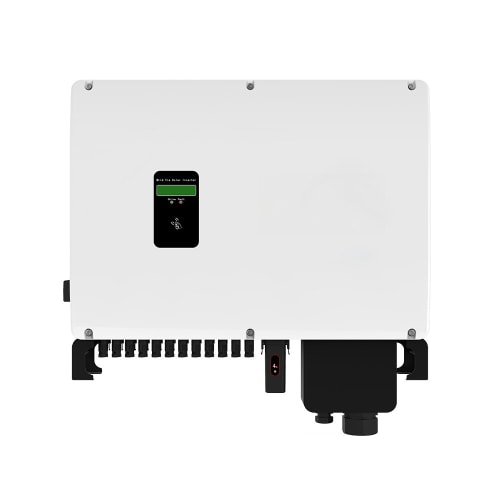
When evaluating inverter performance, look for MPPT (Maximum Power Point Tracking) — a key feature that ensures your panels always operate at their optimal voltage and current levels.
MPPT continuously adjusts the inverter’s input to harvest the maximum possible power from the solar array, even under varying sunlight or temperature conditions. Modern inverters often include multiple MPPT trackers, especially useful for rooftops with panels facing different directions.
If you’re aiming for maximum efficiency, choose a model with advanced MPPT control algorithms — they can increase daily energy yield by up to 30% compared to non-MPPT models.
Compatibility with Battery Storage and Hybrid Systems
Energy independence is becoming a major driver for solar investments. If you plan to add a battery storage system in the future, make sure your inverter supports hybrid or DC-coupled configurations.
Hybrid inverters allow you to store excess energy in batteries during the day and use it at night or during grid outages. This flexibility improves your energy resilience and reduces dependence on utility power.
Brands like Fronius, Hisem, Growatt, and Huawei now offer advanced hybrid inverters that combine solar generation, storage control, and grid management in one smart unit.
Smart Monitoring and Connectivity Features
Modern solar inverters aren’t just power converters — they’re smart devices equipped with Wi-Fi connectivity, mobile apps, and real-time monitoring.
These systems allow homeowners to track power generation, consumption, and efficiency through a dashboard or smartphone app. Some inverters even send alerts if performance drops or faults occur, helping you act before energy loss becomes significant.
Smart monitoring is now a must-have feature for those who want full visibility and control over their solar system.
Build Quality, Cooling System, and Durability
Durability and build quality can greatly affect your inverter’s lifespan. Premium models use robust components, corrosion-resistant casings, and effective cooling systems to withstand harsh outdoor conditions.
Inverters come with air-cooled, fanless, or passive cooling designs. Fanless models are quieter and require less maintenance, while actively cooled systems can handle higher power outputs more efficiently.
Also, check for an IP65 or higher protection rating to ensure your inverter is weatherproof and suitable for outdoor installation.
Installation and Maintenance Considerations
Proper installation is key to achieving maximum efficiency and safety. Always hire a certified solar installer who follows manufacturer guidelines and local electrical codes.
Avoid placing inverters in direct sunlight or unventilated areas, as overheating can reduce performance and shorten lifespan. Schedule regular system checks to monitor output and ensure cables, fuses, and terminals remain secure.
Routine maintenance not only prolongs your inverter’s life but also safeguards your overall solar investment.
Cost vs. Performance: Finding the Best Value
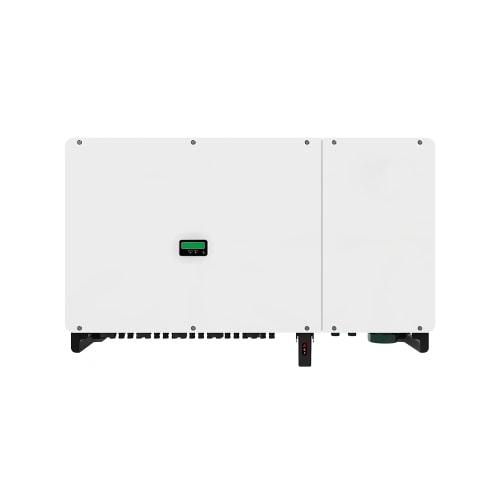
While the temptation to buy the cheapest model is strong, it’s essential to balance price and performance. A slightly higher upfront investment in a quality inverter often results in better long-term savings through higher efficiency and reliability.
Compare models by efficiency rating, warranty, monitoring features, and compatibility with your solar system. When calculating ROI, remember to include maintenance savings and potential grid-feed benefits from premium models.
Conclusion
Selecting the best solar inverter is about more than just matching specifications — it’s about ensuring your system performs reliably, efficiently, and cost-effectively for years to come.By focusing on efficiency ratings, MPPT technology, battery compatibility, smart monitoring, and strong warranties, you can make an informed decision that supports your home’s energy goals and long-term savings.Whether you’re building a new system or upgrading an existing one, investing in a high-quality inverter is the smartest move toward a sustainable, energy-efficient future.
FAQ
What is the best solar inverter for home use?
The best solar inverter for home use depends on your system size and needs. Hybrid or string inverters from brands like Fronius, SMA, and Huawei are highly efficient and reliable.
How do I choose the right solar inverter?
Consider factors like efficiency rating, inverter type (string, micro, or hybrid), MPPT technology, battery compatibility, and warranty to find the best fit for your solar system.
How long does a solar inverter last?
High-quality solar inverters typically last between 10–15 years, depending on usage, maintenance, and environmental conditions.
Can I use a solar inverter with battery storage?
Yes, hybrid inverters are designed to work with batteries, allowing you to store excess energy for use during nights or outages.
What brands make the best solar inverters?
Trusted brands include SMA, Fronius, Huawei, Solax, and GoodWe, known for high efficiency, durability, and excellent customer support.
Need Help Choosing the Right Solar Inverter?
If you’re unsure about which solar inverter is best for your home or business, our experts are here to help. Contact us today for a personalized consultation, and ensure your solar power system is efficient, reliable, and future-ready. Don’t wait to maximize your energy savings—get in touch now to choose the perfect inverter for your needs!
