
NEWS
As a manufacturer of high performance PV panels, we understand the importance of maximizing solar energy efficiency for both residential and commercial applications. High performance PV panels not only generate more electricity but also offer long-term durability and reliability. In this article, we’ll explore what makes these panels superior, how they compare to standard solar panels, and why upgrading your system can deliver significant savings.
Table of Contents
Understanding High Performance PV Panels
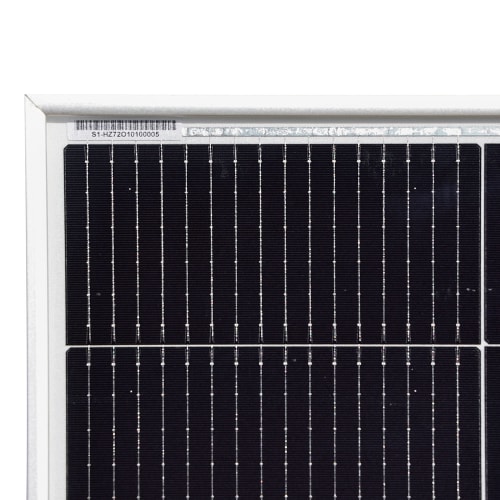
High performance PV panels are designed to convert sunlight into electricity more efficiently than conventional solar panels. Unlike standard panels, these use advanced materials and technologies such as PERC (Passivated Emitter and Rear Cell) or HJT (Heterojunction Technology) to improve power output and reduce energy loss.
Key features that make PV panels high performance include:
- High conversion efficiency (typically above 22%)
- Low temperature coefficient for better performance in hot climates
- Reduced degradation rate for longer lifespan
- Enhanced durability against environmental factors such as wind, snow, and hail
As a manufacturer, we ensure our panels undergo rigorous quality control to maintain consistency and reliability, which is why investing in high performance solar panels directly from a trusted source guarantees superior results.
Advantages of Installing High Performance Solar Panels
Installing high performance solar panels offers multiple advantages:
- Increased Energy Output: More electricity generated per square meter of roof space
- Cost Savings: Reduced electricity bills over the panel’s lifetime
- Long-Term Reliability: Extended lifespan minimizes replacement costs
- Versatility: Suitable for residential rooftops, commercial buildings, and off-grid systems
By choosing panels from a reliable manufacturer, you can be confident in both performance and warranty support.
Comparing High Performance PV Panels with Standard Solar Panels
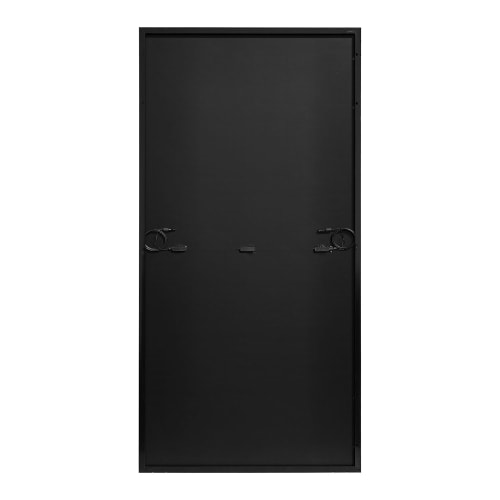
High performance solar panels outperform standard panels in several key areas:
| Feature | High Performance PV Panels | Standard Solar Panels |
|---|---|---|
| Efficiency | 22–24% | 15–18% |
| Temperature Coefficient | -0.30%/°C | -0.45%/°C |
| Degradation Rate | ~0.3–0.5% per year | ~0.7–1% per year |
| Lifespan | 25–30 years | 20–25 years |
| Suitable Applications | Residential & Commercial | Primarily Residential |
This comparison clearly shows why high performance PV panels are a better long-term investment.
Materials and Technology Behind High Performance PV Panels
The efficiency and reliability of PV panels depend heavily on the materials and technologies used. High performance panels typically use:
- Monocrystalline Silicon: Provides higher efficiency and better temperature tolerance
- Advanced Cell Structures: PERC, HJT, or bifacial cells for maximum sunlight absorption
- Low Reflective Coatings: Enhances light capture for higher energy yield
As manufacturers, we optimize the production process to ensure every panel meets strict standards for output, durability, and safety.
How to Choose the Right High Performance Solar Panels
When selecting high performance solar panels, consider the following factors:
- Power Output and Efficiency: Ensure the panel meets your energy needs
- System Compatibility: Check inverter and mounting system compatibility
- Warranty and Reliability: Look for manufacturer-backed guarantees
- Manufacturer Expertise: Purchasing directly from a manufacturer often ensures higher quality and better after-sales support
Choosing the right panels can dramatically impact your solar system’s efficiency and long-term performance.
Installation Tips for Maximizing Efficiency
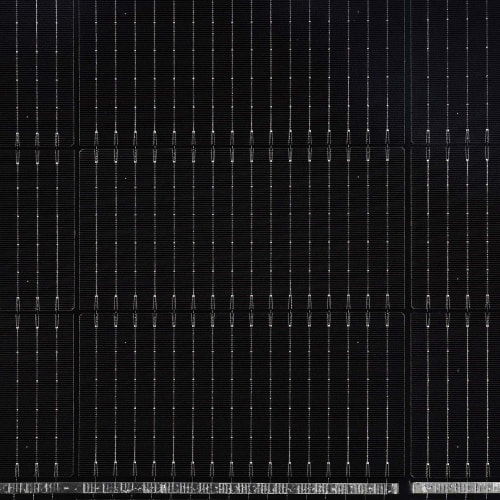
Proper installation is crucial to get the most out of your high performance PV panels:
- Optimal Angle and Orientation: Panels should face south (in the northern hemisphere) and be tilted to match your latitude
- Regular Maintenance: Keep panels clean to maximize sunlight absorption
- Avoid Shading: Ensure nearby trees or structures do not block sunlight
- Combine With Storage: Pairing with solar batteries can improve energy use during cloudy days
Following these guidelines ensures your system operates at peak performance year-round.
Common Misconceptions About High Performance PV Panels
There are several myths surrounding high performance PV panels:
- Higher Efficiency Means Much Higher Cost: While slightly more expensive, energy savings quickly offset initial costs
- Requires Special Maintenance: Standard cleaning and routine checks are sufficient
- Only Works in Sunny Regions: Panels perform efficiently even in moderate climates due to advanced technology
Understanding these facts helps homeowners and businesses make informed decisions.
Case Studies and Real-World Performance
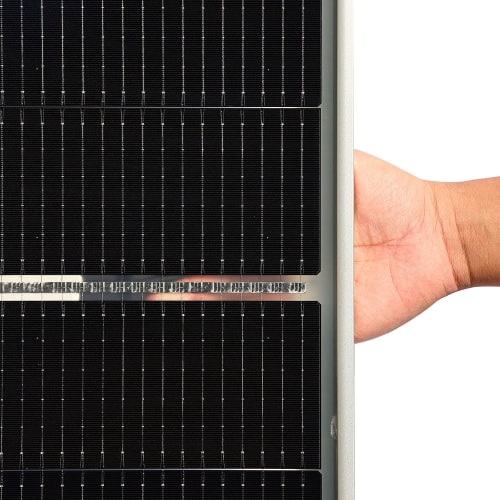
Many of our customers have experienced significant benefits after upgrading to high performance PV panels:
- Residential users report up to 30% higher electricity generation compared to older panels
- Commercial installations achieve faster ROI due to reduced energy costs
- Off-grid systems maintain consistent power output even in less-than-ideal conditions
ROI Example:
| Location | System Size | Old Panels Annual Output | High Performance Panels Annual Output | ROI Improvement |
|---|---|---|---|---|
| California, USA | 5 kW | 6,800 kWh | 8,900 kWh | 31% |
| Berlin, Germany | 10 kW | 12,000 kWh | 15,200 kWh | 27% |
| Sydney, Australia | 7 kW | 9,500 kWh | 12,000 kWh | 26% |
These real-world examples demonstrate the tangible benefits of choosing high performance PV panels from a manufacturer.
Conclusion
High performance PV panels offer unmatched efficiency, durability, and long-term savings for both residential and commercial applications. By choosing panels directly from a trusted manufacturer, you can ensure consistent quality, expert guidance, and superior energy performance. Upgrading your solar system with high performance PV panels is a smart investment that delivers reliable energy, reduces costs, and supports a sustainable future.
FAQ
Q1: What are high performance PV panels?
A1: High performance PV panels are advanced solar panels designed for higher energy efficiency, longer lifespan, and better performance in varying weather conditions compared to standard solar panels.
Q2: How do high performance PV panels improve solar efficiency?
A2: They use advanced materials like monocrystalline silicon and technologies such as PERC or HJT, which maximize sunlight absorption and reduce energy loss, resulting in higher electricity output.
Q3: Are high performance PV panels suitable for residential use?
A3: Yes, they are ideal for homes, rooftops, and small commercial systems, providing more energy per square meter and long-term cost savings.
Q4: What factors should I consider when buying high performance PV panels?
A4: Consider panel efficiency, power output, compatibility with your inverter, durability, and whether you purchase directly from a reliable manufacturer for quality assurance.
Q5: Do high performance PV panels require special maintenance?
A5: No, they require standard maintenance like regular cleaning and occasional inspections, but their durable design ensures consistent performance over many years.
