
NEWS
Table of Contents
Introduction
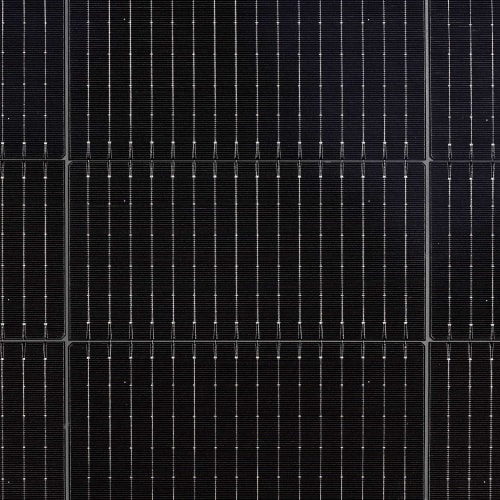
Choosing the right residential solar panel size is a critical decision for homeowners looking to invest in a home solar system. The correct panel size affects not only the overall energy production but also the efficiency and longevity of your solar installation. As a manufacturer, we understand the importance of providing accurate, practical guidance to help homeowners make informed decisions. In this guide, we will walk you through the key considerations, common pitfalls, and expert recommendations for selecting the ideal residential solar panel size for your home.
Understanding Residential Solar Panel Sizes
Residential solar panels come in a range of dimensions and power outputs. Standard sizes typically range from 60-cell panels measuring around 65 inches by 39 inches to 72-cell panels measuring approximately 77 inches by 39 inches. The choice of size is influenced by roof area, energy needs, and installation preferences. Understanding solar panel dimensions and how they relate to energy output is essential for optimizing your roof solar installation.
Standard Residential Solar Panel Dimensions
Most residential panels fall into two main categories:
| Panel Type | Dimensions (inches) | Power Output (Watts) | Efficiency (%) |
|---|---|---|---|
| 60-cell panel | 65 x 39 | 300-350 | 17-19 |
| 72-cell panel | 77 x 39 | 360-400 | 18-20 |
| Half-cut 60-cell | 65 x 39 | 330-370 | 18-20 |
These dimensions affect how panels fit on various roof types. Small roofs may benefit from 60-cell panels due to their compact size, while larger roofs can accommodate 72-cell panels to maximize energy production.
Residential Solar Panel Size vs Power Output
The relationship between panel size and power output is straightforward: larger panels typically generate more energy due to increased surface area, but efficiency is equally important. High-efficiency panels can produce comparable power in a smaller footprint, which is ideal for roofs with limited space.
Factors to Consider When Selecting Solar Panel Size
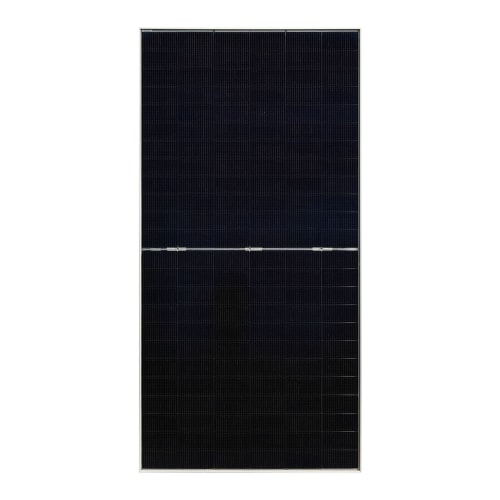
Selecting the right panel size is not just about fitting panels on your roof. Several factors must be evaluated:
- Energy Consumption – Determine your monthly electricity usage in kWh to estimate the total capacity needed.
- Roof Space and Orientation – Consider the available roof area, slope, and orientation to maximize solar exposure.
- Shading – Trees, chimneys, and nearby buildings can affect panel performance.
- Budget – Larger panels may offer economies of scale, but smaller high-efficiency panels can reduce installation complexity.
- Compatibility – Ensure the panel size matches your inverter and mounting system for optimal performance.
Proper consideration of these factors ensures your home solar system delivers maximum efficiency and long-term savings.
Comparing Different Residential Solar Panel Sizes
When evaluating panels, it’s important to consider both physical dimensions and power output. For example, 300W, 400W, and 500W panels offer different trade-offs in terms of roof coverage, installation ease, and efficiency.
| Power Output | Dimensions (inches) | Typical Use Case | Pros | Cons |
|---|---|---|---|---|
| 300W | 65 x 39 | Small roofs | Easier to handle, lower cost | Requires more panels for same capacity |
| 400W | 77 x 39 | Medium roofs | Higher power per panel, fewer panels needed | Slightly heavier, more expensive |
| 500W | 77 x 39 | Large roofs | Maximum energy output, fewer panels | May be difficult for small roofs, higher cost |
This comparison helps homeowners choose the right combination for their roof, balancing efficiency, cost, and ease of installation.
How Solar Panel Size Affects Energy Production
Panel size directly impacts energy production. Larger panels capture more sunlight, increasing potential output, but efficiency can be affected if panels are shaded or poorly oriented. Smaller, high-efficiency panels may produce similar energy in limited spaces and offer flexibility for expanding the system later.
Common Mistakes Homeowners Make When Choosing Panel Size
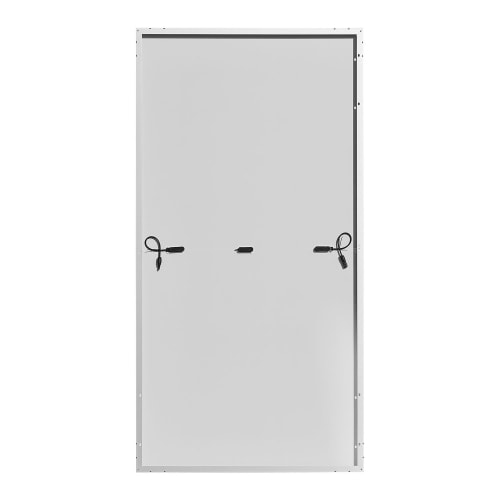
Homeowners often make mistakes that reduce system performance:
- Selecting panels solely based on individual wattage without considering total system output.
- Ignoring roof structure and load-bearing capacity.
- Failing to account for shading and seasonal sunlight variation.
- Overlooking manufacturer recommendations for optimal panel spacing and layout.
Avoiding these mistakes ensures your residential solar panel system operates efficiently and lasts for decades.
Manufacturer’s Recommendations
As a solar panel manufacturer, we advise homeowners to:
- Measure your roof accurately and evaluate available space before selecting panels.
- Consider both panel size and efficiency to maximize energy output.
- Use a combination of panel sizes if necessary to optimize roof coverage.
- Consult a professional installer for layout optimization, ensuring the system meets your energy needs.
Our goal is to provide guidance that simplifies the decision-making process while guaranteeing high-quality, reliable panels for every home.
Tips for Optimizing Roof Space
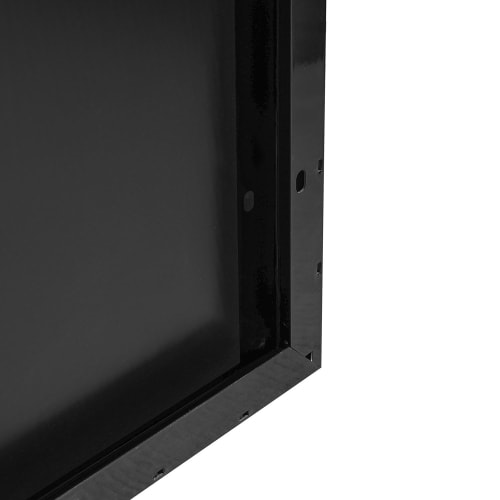
Maximizing energy output often requires creative roof layout solutions:
- Adjust panel orientation to follow the sun’s path.
- Leave adequate spacing between panels to reduce shading and improve airflow.
- Combine different panel sizes strategically to fit irregular roof shapes.
- Utilize roof sections with minimal shading for high-efficiency panels.
These practices help homeowners achieve the best performance from their home solar system.
Conclusion
Selecting the right residential solar panel size is a crucial step in designing an effective home solar system. By understanding panel dimensions, power output, and efficiency, homeowners can maximize energy production while optimizing roof space. As a manufacturer, we provide expert guidance to ensure your panels are the perfect fit for your home, delivering reliable performance, long-term savings, and sustainable energy. Choosing wisely today ensures a brighter, more energy-efficient future for your household.
FAQ
What is the average residential solar panel size for homes?
Most residential panels are 60-cell or 72-cell, measuring 65 x 39 inches or 77 x 39 inches, respectively.
Can I mix different panel sizes in one system?
Yes, mixing sizes is possible but requires careful layout planning to maintain efficiency.
How does panel size affect installation cost?
Larger panels reduce the number of units needed, potentially lowering installation labor, but may increase individual panel cost.
What is the lifespan of panels of different sizes?
Lifespan is generally similar across sizes, typically 25–30 years, depending on quality and maintenance.
How to measure my roof for the right solar panel size?
Measure roof length, width, and slope, then consider any obstructions. Use a layout plan to estimate the number of panels that will fit efficiently.
