
NEWS
Table of Contents
When it comes to designing, installing, or choosing solar panels, understanding solar panel dimensions is essential. The size of a panel affects everything from energy output and installation cost to roof space utilization and overall system efficiency. As a manufacturer, providing accurate information about panel measurements can help homeowners and commercial clients make informed decisions, ensuring optimal energy production and smooth installation.
This guide will cover standard solar panel dimensions, the impact of size on energy efficiency, installation considerations, and tips for selecting the right panels for any project.
What Are Standard Solar Panel Dimensions?
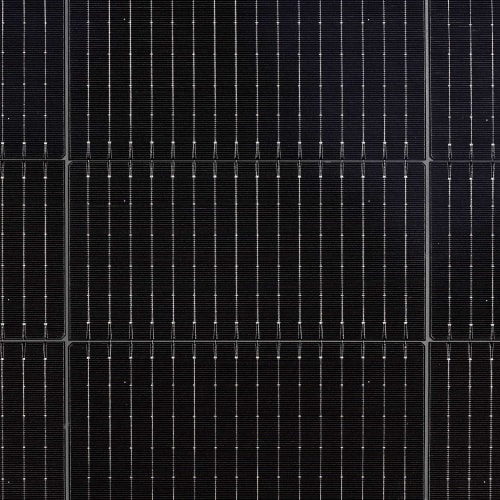
Solar panels come in various sizes depending on their intended use—residential or commercial. The most common panels are 60-cell panels for homes and 72-cell panels for commercial systems.
- Residential solar panels typically measure around 65 inches by 39 inches (1.65 m × 1 m).
- Commercial panels are slightly larger, often 77 inches by 39 inches (1.95 m × 1 m).
- Thickness varies between 1.2 inches to 1.6 inches (30 mm to 40 mm), depending on the frame and glass used.
Understanding the distinction between residential and commercial panels is important for manufacturers and installers. 60-cell panels are lighter and easier to handle for home rooftops, while 72-cell panels provide higher wattage and are better suited for larger projects.
How Solar Panel Dimensions Affect Energy Efficiency
The size of a solar panel directly affects the energy it can generate. Larger panels typically produce more electricity, but efficiency also depends on the type of solar cells, orientation, and installation quality.
Key factors include:
- Wattage per panel: Larger panels often have higher wattage but may require stronger mounting structures.
- Roof space utilization: Correct panel dimensions ensure that every square foot of roof is efficiently used.
- Shading and orientation: Even the right-sized panel under a shaded area will underperform, so layout planning is essential.
Manufacturers must balance size, efficiency, and weight to ensure that panels meet both energy output and installation safety requirements.
Choosing the Right Solar Panel Size for Your Roof
Selecting the correct solar panel size depends on roof dimensions, energy needs, and local regulations. Follow these steps:
- Measure available roof space: Ensure panels fit without overlapping or leaving unusable gaps.
- Determine energy requirements: Estimate monthly electricity consumption to decide the number of panels needed.
- Select panel type: Compact panels work for smaller roofs, while standard panels maximize output on larger rooftops.
For residential rooftops, 60-cell panels often strike the right balance between size and performance, while commercial projects may benefit from 72-cell panels to reduce the total number of panels required.
Comparing Solar Panel Measurements Across Brands
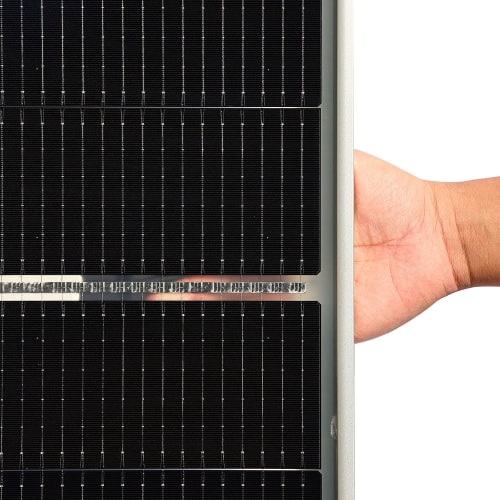
Different manufacturers produce panels with slight variations in size, which can affect installation planning. Below is a comparison of common panels from leading brands:
| Brand | Model | Dimensions (inches) | Cells | Typical Wattage | Type |
|---|---|---|---|---|---|
| Tesla | Solar Roof Panel | 65 × 39 | 60 | 350 W | Residential |
| LG | NeON 2 | 66 × 39 | 60 | 370 W | Residential |
| SunPower | Maxeon 6 | 77 × 39 | 72 | 420 W | Commercial |
| Panasonic | HIT N340 | 65 × 39 | 60 | 340 W | Residential |
| Canadian Solar | CS6U-P | 77 × 39 | 72 | 410 W | Commercial |
This table highlights the need for precise measurement knowledge when planning roof installations. Manufacturers can provide standardized dimensions to make planning and installation easier for clients.
Tips for Manufacturers: Designing Solar Panels with Optimal Dimensions
As a manufacturer, designing panels that meet market needs is crucial. Consider the following:
- Balance size and weight: Panels should be easy to transport and install without compromising structural integrity.
- Material choice: Durable frames and tempered glass help ensure longevity.
- Market demand alignment: Residential markets often prefer compact 60-cell panels, while commercial clients may request larger 72-cell panels for efficiency.
Providing accurate solar panel dimensions and clear installation instructions enhances trust and positions your company as an industry leader.
Solar Panel Dimensions and Installation Considerations
Proper installation requires understanding both the panel size and how it interacts with the mounting system.
- Roof mount vs ground mount: Panels for ground installations may be larger, while roof panels need to fit within available space.
- Spacing and wiring: Correct spacing between panels prevents shading and allows for efficient wiring.
- Safety and standards compliance: Oversized panels may require reinforced mounting and additional safety measures.
Efficient use of space and proper planning ensures maximum energy output from the installed solar energy system.
Tools and Resources to Determine Solar Panel Size
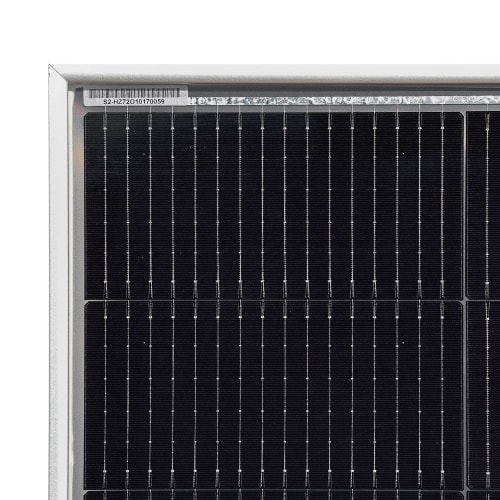
Manufacturers and installers can use several tools to plan and select the right panel dimensions:
- Solar panel dimension calculators: Estimate how many panels fit on a roof.
- Layout planning software: Allows visualization of solar panel placement for residential or commercial projects.
- Manufacturer charts and guides: Provide precise measurements and recommended configurations.
Using these resources can save time, reduce errors, and ensure optimal energy efficiency for clients.
Conclusion
Understanding solar panel dimensions is vital for manufacturers, homeowners, and commercial clients. Proper sizing impacts energy efficiency, roof space utilization, installation costs, and overall system performance. As a manufacturer, providing detailed measurements, installation guidance, and quality panels helps your clients make informed decisions and positions your brand as a trusted industry leader.
If you are planning a solar energy system, take the time to measure accurately, select the right panel dimensions, and consult with a reliable manufacturer to ensure a successful installation.
FAQ
How do I measure my roof for solar panels?
Measure length, width, and any obstructions to determine usable space.
What is the standard size of a residential solar panel?
Typically around 65 × 39 inches for 60-cell panels.
Do larger solar panels generate more energy?
Generally, yes, but efficiency depends on solar cell type and installation quality.
Can solar panels be customized for small roofs?
Yes, many manufacturers offer compact or custom-sized panels.
How do dimensions affect solar panel cost and installation?
Larger panels may reduce the number of panels needed but can increase mounting costs and weight considerations.
